| | | | |  | In this issue of Daily Briefing | - 🔵 PepsiCo Reports Q3 Results
- 🏪 Seven & i Holdings To Sell Non-Core Assets?
- 🥛 Inside CPG’s New Functional Ingredient Obsession
- 🍋 Panera Settles Charged Lemonade Suit
- 🍵 Mad Tea Debuts With Compostable Pods
- 🎨 How The Subtle Art Of Innovation Is Expressed By An Iconic Brand
|
| | | Sponsored message from Synergy | Consumers want more from energy drinks—hydration, focus, mood enhancement and muscle support. Manufacturers are responding with functional ingredients like ashwagandha, BCAAs, and natural caffeine to meet the growing demand for healthier options.
Learn more
|
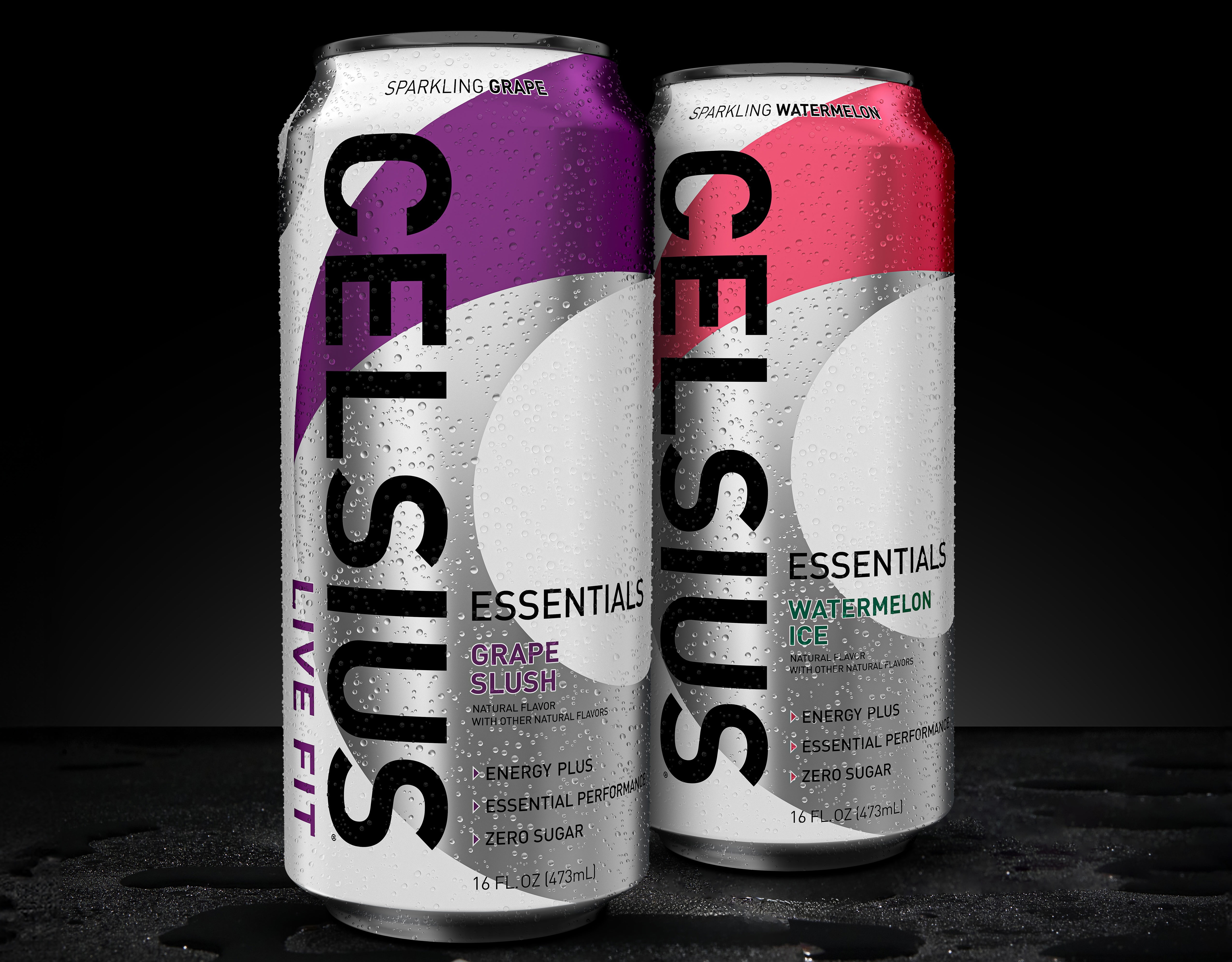
| 📰 Today's Top Story | | | As the 2024 National Association of Convenience Stores (NACS) Show gets underway today in Las Vegas, energy drink maker Celsius – the number three brand in the category according to NielsenIQ scanner data – is gearing up for the new year.
At the show, Celsius will debut two new flavors of its 16 oz. Celsius Essentials line: Watermelon Ice and Grape Slush, touting sweet and “candy-like” nostalgic taste profiles that meet the broader innovation trends in the energy space today. With its Essentials line, CEO John Fieldly told BevNET that Celsius is “turning it up and going bold” with its flavor innovation. He acknowledged the success that competitors like C4 and Ghost have been experiencing with their licensed candy drinks, such as Skittles and Warheads flavors, and said Celsius is looking to use Essentials, and its Vibe line, to experiment with R&D and match those “experiential” use occasions with functional benefits. “Consumers want to try different things,” he said. “People are looking for more than just energy when they're coming to the energy category, and that's what Celsius really plays into.” Although the energy drink category overall has seen growth slow down after several years of rapid expansion, Fieldly says he’s still optimistic about the future of the space, citing a recent Mintel report suggesting that energy drinks have a projected five-year CAGR of between 5.2% to 7.7% from 2024 and 2029. Noting that the category is currently cycling high comps from last summer, short term economic concerns are also part of the reason for the recent growth plateau. However, with zero sugar continuing to fuel momentum, Fieldly said he’s “extremely bullish” on the future. “We feel that the category is poised to continue to grow, especially as economic times improve,” he said. “Because we know consumers are struggling right now, and we’ve got gas prices coming up again, especially with the foreclosures on the East Coast. So that'll be a short term impact we need to overcome … but overall, long term, we're really bullish on the energy category, especially sugar free.” Still, some of these short term issues have hit Celsius. Last month, Fieldly announced that its primary distribution partner PepsiCo would be significantly reducing its orders, which he said is part of the conglomerate’s standard inventory optimization. However, he told BevNET that the relationship with PepsiCo is as strong as ever, noting their distribution network is helping to grow Celsius’ footprint in foodservice and convenience, which is expanding this fall via a new meal deal partnership at Casey’s stores. Stay tuned to BevNET for additional coverage throughout the show. |
| | 👉🏼 What You Need to Know 👈🏼 | | | PepsiCo posted relatively flat third-quarter results this morning as it weathered slower North American sales, the continued negative impacts of the Quaker recall and “business disruptions from ongoing geopolitical tensions” internationally.
Despite these headwinds, the company saw sequential volume improvement in its Frito-Lay North America business. PepsiCo expects commodity costs to challenge its organic revenue outlook, which leadership announced it had adjusted down to a low-single-digit increase (previously approximately 4%) in 2024. Here are the top-line numbers: - Net revenue was $23.3 billion, compared to $23.4 billion in Q3 2024
- Organic revenue growth was 1.3%, compared to 8.8% in the same period last year
- Operating profit was $3.8 billion, slightly lower year-over-year from $4 billion
💬 “We expect consumers to remain choiceful and value conscious as the cumulative effects of inflationary pressures continue to impact budgets and spending patterns,” said CEO and chairman Ramon Laguarta. “As a result, we will continue to take actions to stimulate growth through targeted investments in our brand, package, and channel offerings where better value, amplified advertising and more precise marketplace execution are needed.” BevNET Insiders can access the full report. |
| | | 7-Eleven’s parent company Seven & i Holdings is aiming to fend off takeover efforts by Alimentation Couche-Tard after revealing it is considering divesting non-core assets such as its financial services arm Seven Bank alongside its supermarket businesses in China and Japan, according to an Axios report.
📈 The move aims to increase shareholder value, as reported by the Financial Times, and potentially bolster the company’s valuation, which experts believe could squash the takeover bid. ⏪ In September, Alimentation Couche-Tard made a bid to acquire the Japanese retail giant for $39 billion but Seven & i later rejected the offer. |
| | | | Sponsored message from Gotham DSD | | Gotham DSD succeeds by working with only a few select food and beverage brands at a time. With limited brands to manage, we can focus on executing the needs of each brand while giving each brand the ability to grow.
Learn more
|
| | Breast milk might not seem like an attractive attribute for adult consumers, but one protein in mother’s milk is starting to make an impact on the functional ingredient space. Lactoferrin is a protein found in mammalian milk that offers health benefits like iron regulation, immune system support and anti-inflammatory properties.
🤝 Biotech companies, including Heliana which raised a $45 million Series B funding round last month, are partnering with CPG brands to make lactoferrin less expensive to produce. 🐮 Using precision fermentation and cellular agriculture, food tech companies are making lactoferrin without the need for cows or the expensive dairy purification process. 🏃 These companies are partnering with nutraceutical and supplement makers as well as more traditional food and beverage brands to bring performance-enhancing properties to hydration beverages, cold brew coffee and plant-based alternatives. 🍼 Many of these biotech firms are in the process of scaling their production to meet the needs (and regulatory hurdles) of the opportunity in the infant nutrition category. Insiders can learn about the companies finding new uses for lactoferrin and the different approaches to bringing this ingredient to market. |
| | | Panera Bread has entered into a confidential settlement in a wrongful death suit brought by the parents of a University of Pennsylvania student who died last year after consuming the chain’s now-discontinued Charged Lemonade.
⛔ The suit alleged that the victim, who suffered from a known congenital heart defect, would have not purchased the product if it had been properly labeled as a highly caffeinated beverage. 🧑⚖️ Panera discontinued the product in May, which is also the center of two other lawsuits including another in Pennsylvania alleging a consumer suffered a heart attack after drinking the beverage and a third in Delaware, which alleges a man died after drinking the lemonade. |
| | | Genecis Bioindustries introduced its first consumer brand today: Mad Tea. The product's main draw however is not its soon-to-be-steeped organic matter, but rather the pods encapsulating the ingredients, which are made from compostable PHA-based bioplastics and are fully compatible with Nespresso machines.
🏨 The pods come mixed with tea and sweeteners with flavors including Matcha, Chai, Jasmine Milk Tea, Earl Grey, Chamomile Lavender, Thai Milk, Brown Sugar Milk and Peach Oolong. The products are available online as well as in W Hotels in New York City and Los Angeles. ♻️ The sustainable biotech company has also provided its bioplastics, made from engineered bacteria and organic biomass, to companies including Amazon, Novo Nordisk and Sodexo. 💬 What they said: "At Mad Tea, we believe that convenience and accessibility shouldn't come at the expense of taste, quality, or the ritual of tea making. Our tea pods allow consumers to indulge in premium teas and tea lattes in their everyday lives, while simultaneously reducing our reliance on traditional plastics that harm the environment and our bodies." – Luna Yu, founder and CEO Go Deeper: SEC Slaps KDP Over Sustainability Claims |
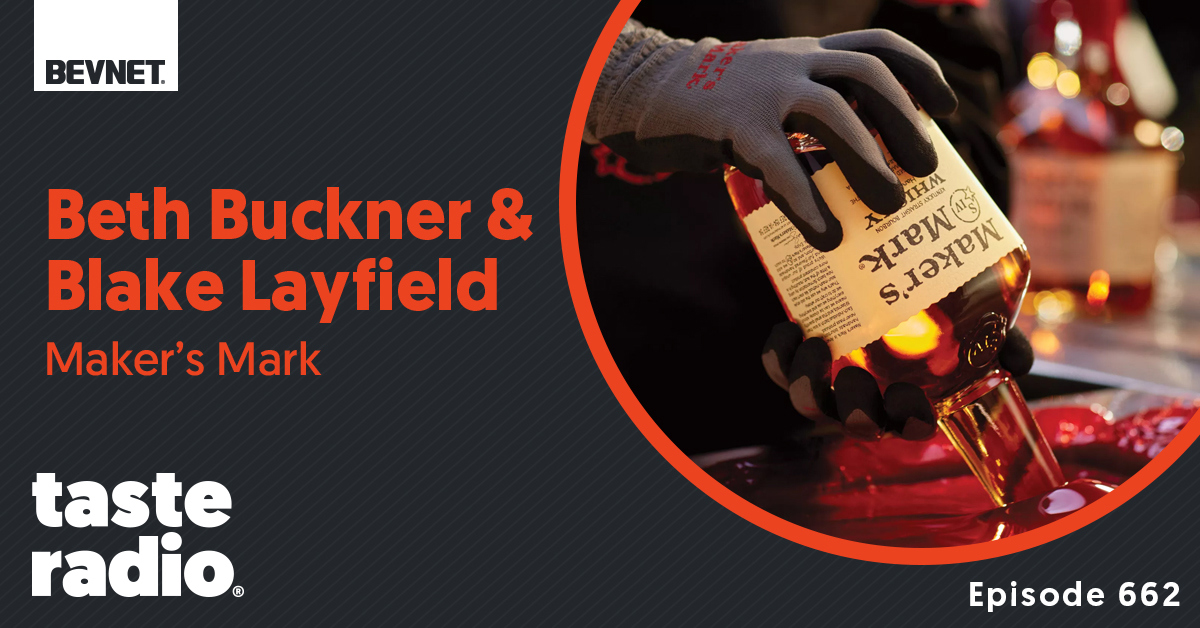
| | 🎙️ Now Streaming: Taste Radio | | | Beth Buckner and Blake Layfield, who lead the innovation unit for iconic Kentucky bourbon brand Maker’s Mark, talk about how the standards set by its founder are integral to new product development and why they eschew trendy concepts in favor of nuanced expressions of the bourbon.
Listen to the episode now. |
|
| Your BevNET CPG Media Subscriptions You're currently subscribed to newsletters from BevNET CPG Media. To change which newsletters you receive, update your preferences - don't miss out on topics you care about. | |
| |
|
| | | |
|