| | | | | | In today’s issue | 🆕 New Products: This Week’s Hot New Beverages • ☕ Bringing “Beanless” Coffee To The Masses • 💸 Report: More Funding Flows to Fewer Hands • ⚗️ Biden Takes on Forever Chemicals • 🤞 FDA Urges Congress To Act On Hemp • 🆕 Beam Suntory Names New North America President |
|  | | 📰 Today's Top Story | | | This week in existential musings on the spirit industry: What if growth doesn’t return after destocking is done?
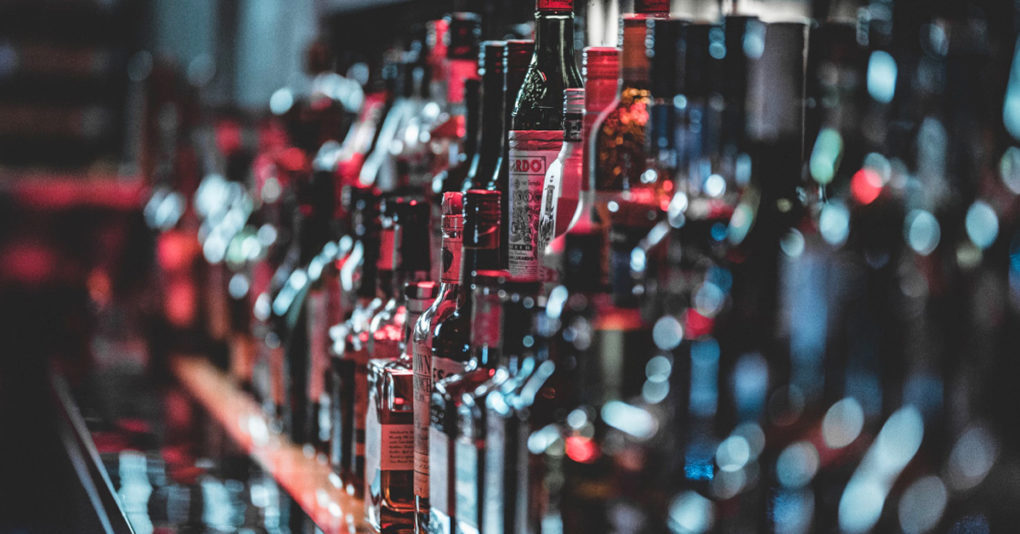
Following a year of flat spirit sales, wholesale inventories are at an all time high and retailers are pulling back on new products. In a new report, Jefferies analysts said they don’t expect destocking to remain an issue in 2025, but what happens then with spirit growth trends? While the report is confident that spirits will likely continue to take share of total alcohol, some tailwinds that pushed the category forward in the last 20 years are less pronounced (Think: the opening of Sunday spirits sales, advertising opportunities and even spirits tastings at distilleries). After the pandemic boom, there’s a risk that spirits will trend more in-line with the growth of the legal drinking age population as opposed to taking from beer and seeing “outsized share of throat.” There’s another possible risk to spirits: RTDs. While canned cocktails are helping bring more consumers into spirits over the medium-term (recruiting from beer or wine), the report argues that they might harm the segment’s growth overtime. Why? Several reasons. New non-traditional spirit brands like High Noon, which Jeffries estimates accounts for roughly a quarter of the spirits-based RTD category, are driving growth. “High Noon is taking spirits consumers away from the big spirits brands, similar to how White Claw took consumers away from the core light beer consumer,” the report reads (and notes that big beer hasn’t quite brought them back). The mixed quality of RTDs could also possibly harm the perception of spirits – as we know it’s not easy to make a craft cocktail in a can. The race to the bottom also risks commoditizing the category, after spirits (thanks mostly to craft distillers), have spent the last two decades working to premiumize. RTDs also create volatility in the supply chain by taking up shelf space. Despite all that, we should note DISCUS has been making more RTD channel access a legislative priority – and overall anti-alcohol sentiment and adult non-alc’s rise have been named as more of a threat to the industry. So what do we watch out for? Spirits-based RTDs are roughly a fifth the size of malt-based seltzers in volume terms, and while they face more distribution obstacles, the category comparatively is not at saturation point yet, the report argues. - It might feel like it, but RTDs haven’t peaked: spirits-based RTDs held a 16% share of the RTD category at the end of 2023, versus 8% in 2021, according to DISCUS.
- That means there’s headroom, said the report. Once it rolls over (possibly within the five-year period new RTD categories tend to spike and fizzle), that may provide more breathing room for the mother spirits to grow.
Go Deeper: Read up on the current State of BevAlc. |
| | 👉🏼 What You Need to Know 👈🏼 | | | Today is Friday and you all know what that means…it’s NPG time! We’ve rounded up the hottest new products and packaged them together in a gallery just for you. Here’s a sneak peek at what’s inside: 💧HTWO expanded its naturally flavored hydrogen water line with the HTWO+ collection. Available in Lemonade Plus, Lemon Lime Plus and Peach Mango Plus, the new offering combines the brand’s signature hydrogen-infused water with electrolytes for even more hydration. 🥤Poppi introduces another classic soda flavor to its lineup, Lemon Lime. In a LinkedIn post, the brand claims to have “refreshed lemon lime from top to bottom without losing an ounce of what made it an icon in the first place. 🥥 Coconut water producer Vita Coco encourages consumers to treat themselves with Vita Coco Treats, a new coconut milk beverage. The Strawberries and Cream-flavored drink contains 90 calories and 17 grams of sugar per serving. Check out the full NPG on BevNET. |
| | | Bean-free coffee food tech startup Atomo Coffee announced it had locked in a partnership with Australian-inspired cafe chain Bluestone Lane to offer its espresso in all 58 U.S. locations, beginning in August. ↩️ Originally launched as an RTD cold coffee brand, Atomo changed direction last October to focus on a ground product positioned primarily toward foodservice. 💸 The company locked in a “multi-million dollar” deal with Japanese spirits conglomerate Suntory in December and had previously raised $40 million in June 2022 via a Series A round with support from S2G Ventures, AgFunder and Horizons Ventures. 🌻 The coffee alternative uses a blend of upcycled date seed, guava and sunflower for its alt-coffees (available in both regular and decaf), claiming they are more environmentally sustainable than traditional beans and offer a brewed flavor with “notes of rich dark chocolate, graham cracker and dried fruit.” |
| | | “Follow the money” is one of the core principles of journalism, but even that doesn’t paint the full picture of the current funding market for CPG. A look through market researcher FABID’s latest Q1 2024 report reveals a complex economic climate, with more money flowing in but going to a limited number of beneficiaries. 😃 Broadly good news: The clouds of a once-imminent economic recession have receded, and venture funding has rebounded with its strongest quarter in two years in Q1, up 8.5% sequentially to $573 million. Average investment size in Q1 was $11 million, almost doubling from the same period in 2023 ($6 million) and above the average from 2022 ($10.2 million). 🙃 But the spread tells a different story. The total number of deals keeps dropping: 99 in 2022, then 88 in 2023, and now just 52 in Q1 2024. And that jump in venture dollars has come primarily from five $50 million-plus investments in established brands, with four companies — Bloom ($90 million), Truff ($80 million), Aloha ($69 million) and Liquid Death ($68 million) — receiving over half the total amount raised during the most recent period. Insiders can read out full recap, including what the lack of activity from strategics may mean for deal flow and how quarterly funding broke down by category. |
| | | This week, the White House issued a national, “legally enforceable drinking water standard” that takes aim at per-and polyfluoroalkyl substances (PFAS), so-called “forever chemicals,” which have been linked to a myriad of serious health conditions. 😷 The rule supports the Environmental Protection Agency’s PFAS Strategic Roadmap and is expected to reduce exposure “for approximately 100 million people, prevent thousands of deaths, and reduce tens of thousands of serious illnesses,” according to a press release. 🚰 The EPA estimates that 6% to 10% of public drinking water systems in the U.S. will need to take action to reduce PFAS in their networks. They have five years to meet new standards and will be required to inform the public about the level of PFAS detected in their drinking water. ⚠️ The new rules include a Maximum Contaminant Level at 4.0 parts per trillion for PFOA and PFOS chemicals, and 10 parts per trillion for PFNA, PFHxS and HFPO-DA chemicals. 🪙 The move is accompanied by $1 billion in new funding, allocated through Biden’s Infrastructure Investment and Jobs Act. |
| | | In a U.S. House of Representatives Oversight Committee hearing Thursday, FDA Commissioner Robert Califf encouraged House members to “establish a regulatory pathway for CBD” because it currently “doesn’t fall under any particular regulatory scheme” of the FDA. 🪴 The agency regulates food, drugs and supplements but has been cautious in taking a firm stance on CBD and hemp without Congressional approval, leaving the industry in an ongoing gray area. 🤔 In August, a letter from a top Health and Human Services official surfaced, stating that marijuana should be downgraded from Schedule I status. That gave the cannabis industry hope that change could be coming to federal regulation for its products, including hemp and CBD. |
| | | Beam Suntory’s North American business has a new leader. Carlo Coppola has been appointed president, succeeding Jessica Spence, who joined the spirits giant about five years ago and has moved on to pursue new opportunities outside of the company.
- Coppola most recently served as Beam Suntory’s president of American whiskey and tequila, where he oversaw the P&L for priority bourbon brands Jim Beam and Maker’s Mark, and its tequila portfolio, including El Tesoro, Tres Generaciones and Hornitos.
Coppola is now charged with advancing Beam’s premiumization strategy, which includes a focus on premium-plus American whiskey, tequila, Japanese spirits and RTDs. Sales faced a slight slump in FY 23, dipping 2% in the U.S. compared to 2022, due to the general slowdown following the pandemic. |
|
| Your BevNET CPG Media Subscriptions You're currently subscribed to newsletters from BevNET CPG Media. To change which newsletters you receive, update your preferences - don't miss out on topics you care about. | |
| |
|
| | | |
|