| | | | | 📰 Today's Top Story | | | Earlier this week (see our August 29 newsletter), we looked at a new report on beverage sector M&A activity from Capstone Partners, finding mergers and acquisitions down -21.4% year-over-year amid economic uncertainty. Whereas that report focused on the recent state of the market, another new report, “The New Deal Environment” by Rabobank senior analyst for beverages Jim Watson, offers a few ideas for what M&A may look like going forward and why “the tenor of the deals getting done need to change.” - While M&A activity has slowed from recent highs at the end of Q4 2021 and Fall 2022, the decline is not an anomaly. Overall deal flow is in line with the ups and downs of the past 15 years and remains well above modern low-points of Spring 2009 and Fall 2018.
- Buyers are more disciplined about valuations than they may have been in the past and “in a market where it is harder to depend on strong consumer growth deals should be focused on scale, efficiency and risk reduction where possible,” the report suggests.
- That is leading to a “reset in the market,” Watson writes, and valuations for a number of beverage manufacturers who recently made IPOs have come down, including Oatly, Black Rifle Coffee Company, Dutch Bros Coffee and Vintage Wine Estates.
- There are counter examples, however! Watson pointed to Celsius as an example of a growth stock where stock price and valuation have reflected consistent performance (the energy drink has doubled volume sales for four consecutive years). Capstone Partners likewise pointed to Celsius, as well as the Nutrabolt/Keurig Dr Pepper strategic partnership, as another highlight of healthy growth.
- Brands need to prioritize de-risking and Watson advised beverage companies to utilize a vertical integration model when possible and relevant. While the worst of the supply chain disruptions appear to be behind us, “the threat of a return of trade wars and/or rising energy costs is real”.
- Rather than focusing on venture and diversification, the report suggests that consolidation can be more important to buyers as an opportunity to improve their scale and efficiency and deals focused on potential cost savings should be seen as “lower risk” than deals focused on revenue synergies.
- “With our years of experience modeling companies, we felt comfortable including cost synergies of 3% to 5% of revenues from an acquisition in models and found that these were fairly consistently delivered. On the flip side, we were loath to include any revenue synergies – these need to be seen to be believed and often don’t materialize.”
|
| | 👉🏼 What You Need to Know 👈🏼 | | Don’t go lighting up yet but the cannabis industry got some good news yesterday. A top official at the HHS wrote in a letter, obtained by Bloomberg News, to Drug Enforcement Agency Administrator Anne Milgram dated August 29 that marijuana should be downgraded from its Schedule 1 status under the Controlled Substances Act (considered federally by law enforcement as the same as heroin and ecstasy/MDMA). The news sent minor shockwaves through the cannabis industry with Canadian cannabis company Tilray’s stock rising nearly 25% since markets opened yesterday morning. - With 40 states now permitting the use of cannabis in one form or another, the possible downgrade to a Schedule III drug could save the cannabis industry hundreds of millions of dollars every year in tax deductions.
- Cannabis lobbying group NORML’s deputy director Paul Armentano said in a statement: “The majority of Americans believe that cannabis ought to be legal and that its hazards to health are less significant than those associated with federally descheduled substances like alcohol and tobacco. Like those latter substances, we have long argued the cannabis plant should be removed from the Controlled Substances Act altogether, thereby providing state governments — rather than the federal government — the ability to regulate marijuana in the manner they see fit without violating federal law.”
- Hemp Beverage Alliance executive director Christopher Lackner applauded the announcement, saying that the HBA hopes it “will encourage individual states to develop frameworks where safe, low-dose, hemp-derived THC beverages can be regulated, taxed, and sold in a manner similar to beer and wine.” He added that it might “inspire beverage retailers and distributors to help us grow the category so more adults can purchase these safe, high-quality, exciting and in-demand drinks in places where they currently shop.”
The HBA is currently fighting legislation in New York State alongside hemp beverage brand Cycling Frog over recent regulation on hemp-derived THC products throughout the state. |
| | | | In celebrity spirit news, San Francisco 49ers legend Joe Montana is the newest proud whiskey brand owner. - The Hall of Fall quarterback announced a new partnership with San Francisco-based The Gold Bar Spirits Company (the official whiskey of the hometown football team) for the Joe Montana Whiskey Collection debuting in September via Gold Bar’s distribution partner, Southern Glazer’s Wine and Spirits.
- Founded in 2013, San Francisco-based Gold Bar Whiskey is known for its double-casked wine barrel finished whiskies, and has distribution in over 25 countries with continued expansion in Europe, South America, and Asia.
- Blend 273 commemorates Montana’s 273 career passes and will be exclusive to Northern California. Blend 117 or “Number 16” is an extremely limited blend that will be available nationwide later this Fall. It is dedicated to the quarterback’s number and his total regular season win count.
Celebrity-backed spirits have not slowed down this year, and many have been fueled by groups specializing in pairing distillers with high profile figures. |
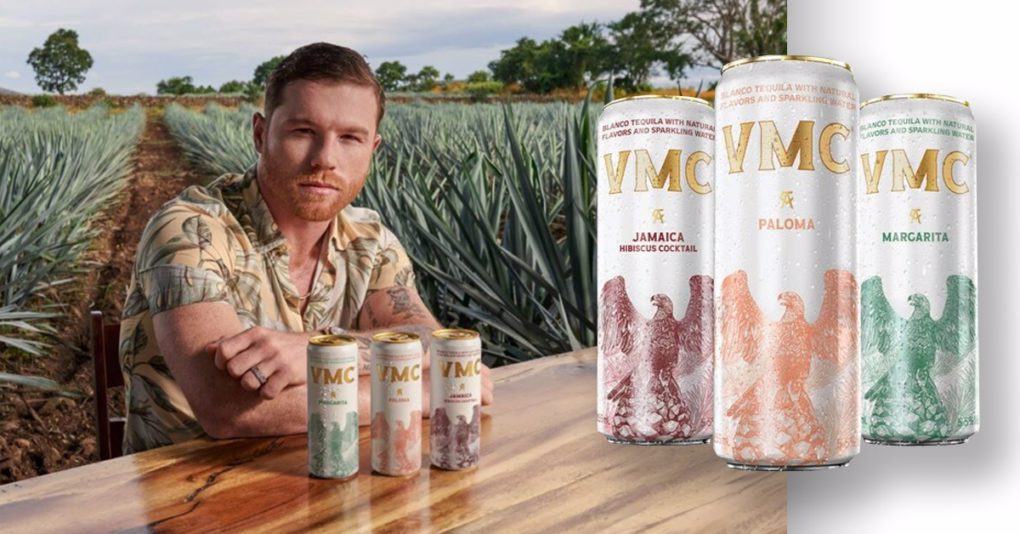
| | | | Gallo is aiming for a Mexican audience with a new RTD partnership between Casa Lumbre and world champion boxer Saúl "Canelo" Álvarez. - The company behind leading ready-to-drink cocktail High Noon is bringing out a new contender: VMC, which was launched in Mexico in 2022 will be distributed by Spirit of Gallo, starting with select markets with large Mexican-American populations.
- VMC comes from Mexican spirits group Casa Lumbre, which has mainstreamed Mexican products into the U.S. market with a boost from several other major partnerships and celebrities.
- How a national distributor taps a specific audience will be interesting to watch. Last week, Martinez Brands ditched Southern Glazer Wine & Spirits for Casa Cuervo— moving two of its heritage brands with the aim to “take those categories to the next level with greater level of expertise and a more refined approach that is typically lacking for the Hispanic market within the big distributors.”
|
| | | | Instacart (finally) filing to take the company public last week signaled a few things – a bit of upward momentum in the overall IPO market, inklings of the potential direction e-grocery is heading and an unexpected, developing relationship with PepsiCo. One major thing the e-filing does not indicate is the future direction of the grocery-tech giant’s growth – so we asked a few grocery experts and, well, they have even more lingering questions. They all agree the business appears to be in decent shape at the moment and Instacart disclosed it became, and has remained, profitable since late last year (though one analyst notes a decent chunk of that change came from a nondescript “tax benefit.”) But will Instacart be able to continue growing its core business, within its current model? What could the grocery industry look like if Instacart ramps up its software services? And what the heck does PepsiCo want with the grocery-tech guru? Hear what three analysts had to say. |
| | | In a post on Koia co-founder and CEO Chris Hunter’s LinkedIn profile, Hunter showed the plant-based smoothie and drink brand’s most recent tropical, team-building retreat. Along with the video of ocean swims, yoga, communal meals and horseback rides, Hunter’s post talked about the importance of “fostering a culture of trust and collaboration” to build a successful brand. Sounds good to us, especially with Labor Day Weekend around the corner. Where do we sign up for the next one? Got any good retreat stories? Please send to hello@bevnet.com. |
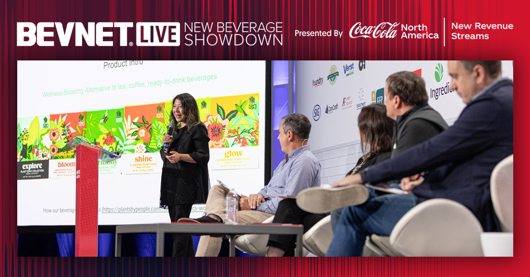
| | | | Peek into the future of the beverage industry by watching startup brands pitch their products at BevNET’s New Beverage Showdown, taking place during BevNET Live on December 4 + 5 in Marina del Rey, CA. Read the story. |
|
| Your BevNET CPG Media Subscriptions You're currently subscribed to newsletters from BevNET CPG Media. To change which newsletters you receive, update your preferences - don't miss out on topics you care about. | |
| |
|
| | | |
|