Plus, a fresh episode of CPG Week͏‌ ͏‌ ͏‌ ͏‌ ͏‌ ͏‌ ͏‌ ͏‌ ͏‌ ͏‌ ͏‌ ͏‌ ͏‌ ͏‌ ͏‌ ͏‌ ͏‌ ͏‌ ͏‌ ͏‌ ͏‌ ͏‌ ͏‌ ͏‌ ͏‌ ͏‌ ͏‌ ͏‌ ͏‌ ͏‌ ͏‌ ͏‌ ͏‌ ͏‌ ͏‌ ͏‌ ͏‌ ͏‌ ͏‌ ͏‌ ͏‌ ͏‌ ͏‌ ͏‌ ͏‌ ͏‌ ͏‌ ͏‌ ͏‌ ͏‌ ͏‌ ͏‌ ͏‌ ͏‌ ͏‌ ͏‌ ͏‌ ͏‌ ͏‌ ͏‌ 
 
 
NoshApril 17, 2025
DAILY BRIEFING
Today's news & insights for the food industry.

In this issue of Daily Briefing

  • 🍜 Hotpot Queen Halts POs
  • 🏛️ Perfect Day Sued
  • ☀️ California Challenges Trump 
  • ⛑️ Making An Impact
  • 💸 A Funding Double Feature and Vertical Farming Follies

📰 Today's Top Story

🐣 How Much Will Consumers Shell Out On Easter?

🐣 How Much Will Consumers Shell Out On Easter?

With Easter just a few days away, shoppers will be shelling out more for sweets than they have in years’ past. This year’s holiday has become one of the most egg-spensive yet (sorry, we had to)

Soaring egg prices have been weighing heavily on consumers for months, and cocoa prices have curbed innovation in the CPG category more than a year now. Although a brief respite in egg prices last month allowed producers to reduce some shortages, newly released data from the Consumer Price Index suggests a return to “normal” is still a ways away. 

  • U.S. egg prices climbed to a new record-high of $6.23 per dozen in March despite a drop in wholesale prices and no new significant avian flu outbreaks, per CPI
  • As demand for eggs is typically elevated until after Easter, it’s possible that prices will rise again as producers feel the squeeze. If that’s the case, the industry may risk dampening demand altogether.

“There are lots of people who are looking to see egg prices coming down because they wanted to call it a win. It’s a loss for everybody,” Jana Thompson, agricultural economist at the University of Arkansas, told PBS news

Commodity chocolate prices aren’t faring much better, though they have lessened from the record high of $10.75 per kilogram in December. As we’ve previously reported, ongoing supply chain issues in West Africa – the world’s largest cocoa producer – are the main culprit. Factor in the slate of looming tariffs, and it’s likely the situation will only worsen.

Both chicken eggs and chocolate eggs may be costly, but Americans still plan to spend a total of $23.6 billion on Easter this year, according to an annual survey from the National Retail Federation (NRF). That’s up from last year’s $22.4 billion, and is approaching the record $24 billion shelled out in 2023. 

  • The most popular holiday purchasing categories include candy (92%), food (89%), gifts (65%) and decorations (51%). 
  • More than half (58%) of consumers plan to cook a holiday meal at home.

What’s behind the consumer confidence in Easter spending? As evidenced by shopping behaviors during the pandemic, holidays are “especially meaningful” in times of uncertainty. Additionally, limited-time promotions appeal to value-seeking consumers regardless of whether they celebrate the holiday. 

  • Among those who don’t celebrate, 54% plan to spend an average of $25.43 per person on holiday-related items this year, up $5 from 2024. 

“Even though a majority of consumers plan to spend the religious holiday with friends and family, others will still take advantage of holiday-related sales. Retailer deals and promotions offer those who don’t celebrate Easter an opportunity to buy candy, food and other items,” said Phil Rist, VP of strategy at NRF, in the report. 

Go Deeper: Eggs-istential Crisis At the Grocery Store


Unlock 2025 Trends: Free Reports and 50% Discount on Monthly Subscription

Sponsored message from Brightfield Group
Unlock 2025 Trends: Free Reports and 50% Discount on Monthly Subscription

Welcome Nosh Community! Download your free 2025 Wellness Trends report—featuring top insights on stress, alcohol alternatives, and more. Love the data behind the report? Subscribe to our Wellness CPG platform and get 50% off with code: Bevnet50. Learn more

✨ What You Need to Know ✨

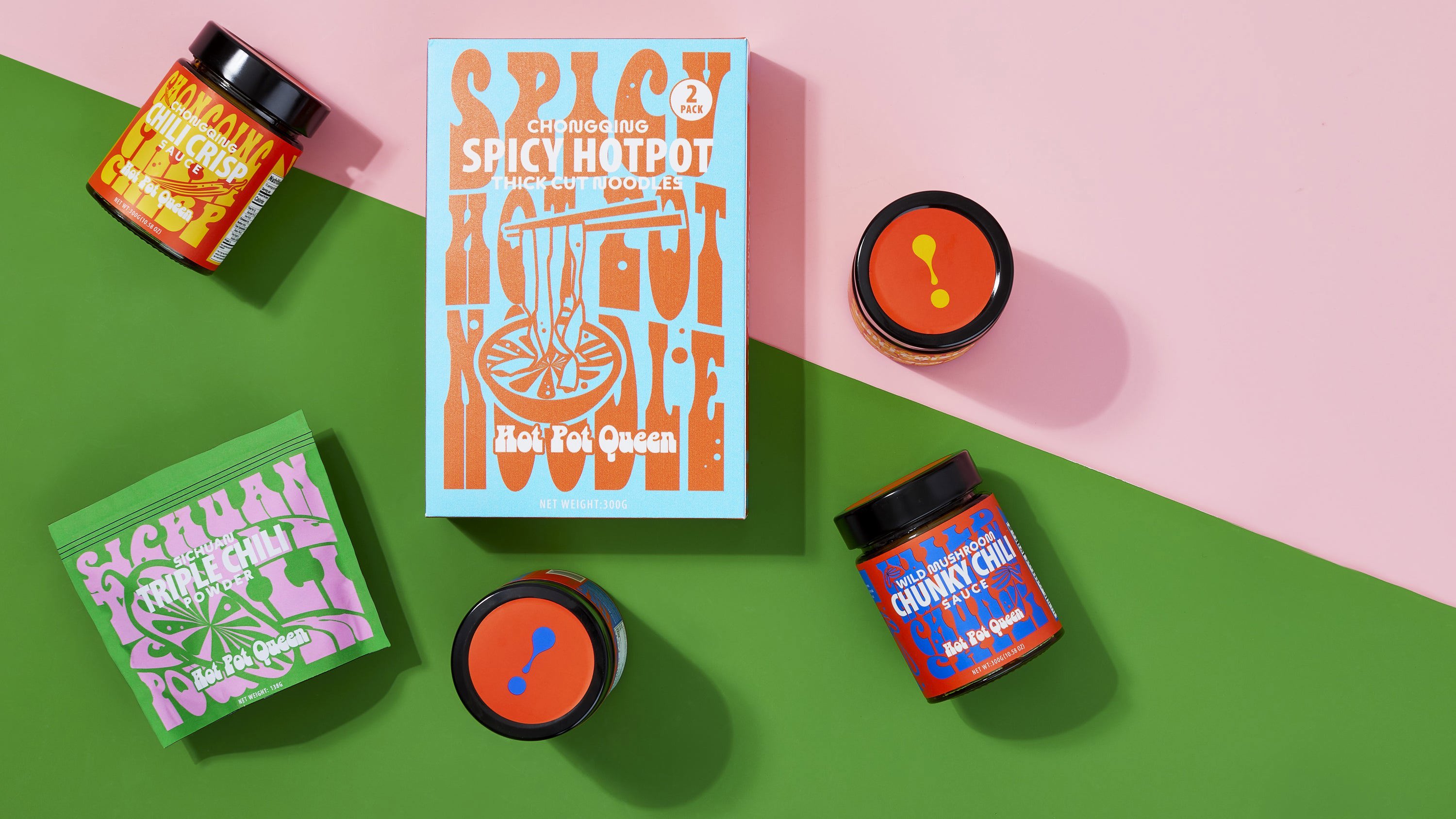
🍜 Hotpot Queen Halts POs Amid Trade War

🍜 Hotpot Queen Halts POs Amid Trade War

Sichuan-sourced sauce and noodle brand Hotpot Queen is halting all future purchase orders to its manufacturer after Trump raised the tariff rate on China-sourced goods to 245% on Wednesday. 

📦 The brand will be selling through what’s currently stocked at its U.S. warehouse“until, hopefully, the tariffs go down” – founder and CEO Jia Liao said in the update on LinkedIn.

🌶️ Liao has been building the business over the past two years, selling an array of chili crisps and noodles. The products are sold online and at nearly 500 regional retailers nationwide including The Fresh Market.

🗣️ What Liao Said: “In just one month, everything I’ve worked so hard for could disappear. This is a scary time – not just for me, but for every U.S. brand that sources products or parts from China. We are the collateral damage.” 


🏛️ Nonprofits Sue Perfect Day For “Misleading” Claims

The Organic Consumers Association and GMO/Toxin Free USA filed a suit against Perfect Day alleging its precision fermentation-derived “Animal Free” whey product – ProFerm – is not “even remotely similar to cow's whey or milk,” running counter to the company’s marketing claims. 

Perfect Day has long claimed its product, which is used in Bored Cow alt-dairy products, is “identical” to traditional milk. But the nonprofits claim Health Research Institute (HRI) analyzed the products and found: 

  • The majority (86.6%) of the proteins found in the product are fungi-based. 
  • Only 13.4% of the product is identical to cow’s whey protein
  • ProFerm features 93 fungal compounds that are not found in cow-derived whey 

📝 What the report said: “The novel compounds and proteins in ProFerm could be or become toxic, allergenic, disruptive to nutrition and biome function, and cause dysbiosis, making them potentially unsafe for human consumption.”

Go Deeper: Catch up on Perfect Day’s changes to its business model


☀️ California Challenges Trump On Tariffs

The state of California filed a lawsuit against Trump’s use of the International Emergency Economic Powers Act (IEEPA) to impose unilateral tariffs on countries around the globe. 

  • The suit claims he has created “an unprecedented tariff regime” that has hurt California businesses and residents.
  • Trump is required to consult Congress and secure constitutional approval in order to impose tariffs, which he did not do; the IEEPA has never been used to impose tariffs since it was implemented in 1977.  
  • The suit specifically focused on duties imposed on China, Canada and Mexico. 

🤝 The New Civil Liberties Alliance also challenged the levies on Chinese imports in a Florida federal court earlier this year with a similar argument: The President did not have the authority to do this without congressional approval. 

Go Deeper: Beyond Good Finds ‘Skeptical Optimism’ In Facing 47% Tariff


⛑️ Making An Impact

Three U.S. food producers reported progress on long-term impact missions this week. Here are the highlights:

🥚 Vital Farms has reduced operation emissions intensity by 17.7% at its egg-washing and packing facility, achieved a Great Place to Work Certification and Elite Excellent 99% rating from an annual Safe Quality Food audit, and launched a company-wide Ethics Week featuring employee ethics and compliance training.

🍫 Mondelēz International’s 2024 Snacking Made Right Report called out the conglomerate’s improvements to Cocoa Life sustainable and responsible sourcing program, which now contributes 91% of its cocoa volume. The company also reduced end-to-end greenhouse gas emissions by 12%.

⛺ Chobani highlighted three new “Impact Batch” partners as part of its giveback program: food security charity No Kid Hungry, military family support nonprofit Blue Star Families and refugee support group Tent.

Check out how upstarts are executing against inclusive hiring missions on Nosh.


🎙️ Now Streaming: CPG Week

💸 A Funding Double Feature and Vertical Farming Follies

💸 A Funding Double Feature and Vertical Farming Follies

This week, the podcast team is discussing a pair of functional beverage funding rounds and tackling the topic of vertical farming.

🥤 What do Culture Pop and Ryl Tea have in common? Both brands raked in about $15 million to support significant expansion plans this year.

🥬 Vertical farming has seemingly struggled to live up to the hype and heaps of cash flowing to the sector in its early days. The team digs into how startups are refocusing now that funding has dried up.

Click here to listen to this week’s episode. Also available on Spotify and Apple Podcasts.


📥 Did a friend forward you this newsletter? Sign up here.


Have feedback or a tip to share? Let me know at adeluca@bevnet.com.

That's all for today's Daily Briefing. We'll be back in your inbox tomorrow.

BevNET.com, Inc. 65 Chapel Street, Newton, MA 02458
hello@nosh.com

Manage subscription Submit News Advertise

Update Preferences Unsubscribe

facebooktwittertwittertwitteryoutube

©1996 - 2026 BevNET.com®
*|LIST:DESCRIPTION|*