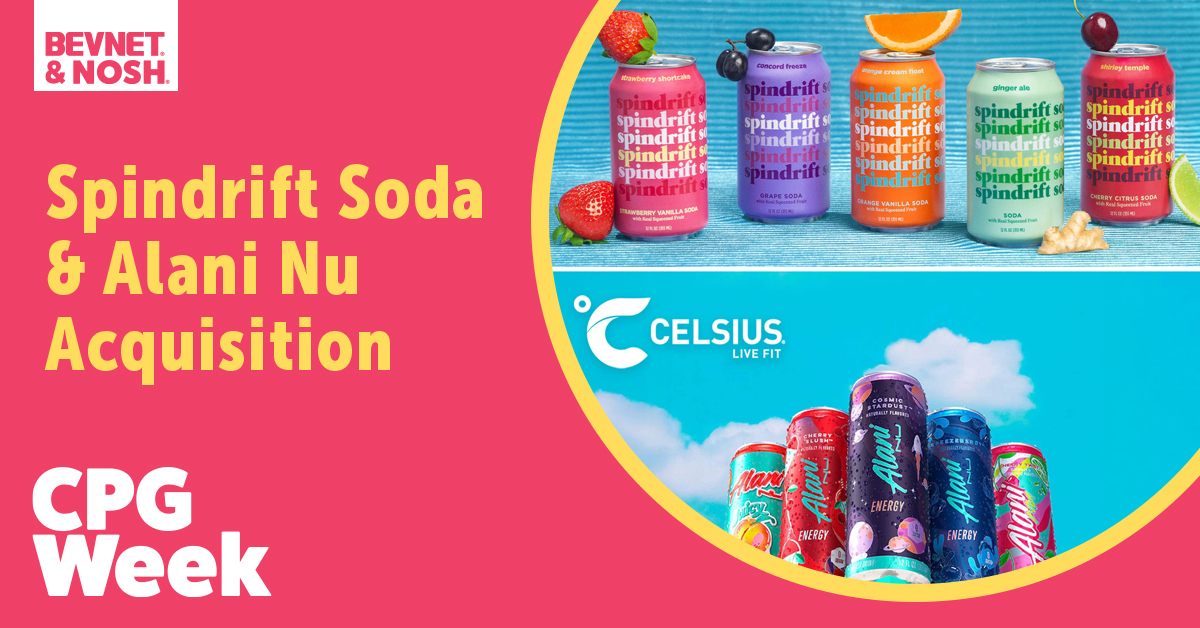
Last year wasn’t easy if you were looking for growth capital. The number and value of transactions hit their lowest point since at least 2020, but even in a tough year, beverage brands that showed organic growth were also able to find investors willing to back expansions. Investors remained interested in the energy drink and modern soda categories, as well as protein-enhanced drinks and NA beer. The scarcity of big beverage transactions made it pretty easy to pick out the year’s most significant signings; however, the repercussions from these deals are already echoing into the new year. Strategic Deal: KDP Buys Ghost. In October, KDP forked over just shy of $1 billion – and is on the hook for at least $1.6 billion total – to pick up ownership of Ghost, another fast-rising energy drink and supplement company at a valuation of around three times projected net revenue for 2024. The deal was followed by a restructuring of the executive ranks at KDP, with strategy chief Justin Whitmore now leading a complex energy portfolio that includes C4 (KDP owns a big chunk), Ghost, Black Rifle Energy and Bloom (C4 is an investor). - And it was followed, of course, by Celsius’ purchase of Alani Nu this year, keeping energy in the spotlight.
Private Equity: Spindrift Docks with Gryphon. The $640 million purchase of a majority share of Spindrift by Gryphon Investments (agreed to at the end of 2024 but not announced until January 2025) won’t solve all of the premium sparkling water brand’s challenges, but it does offer the company and the investor the advantage of time to figure them out. After 15 years, it’s not surprising to see company founder Bill Creelman wanting to get a return on his hard work without necessarily having to reach a final exit. Especially when strategic buyers seem scarce and hard to satisfy… and Coke and Pepsi have their own category entries. - Creelman remains Board Chair with what has been termed “a significant stake” in Spindrift and former Boston Beer leader Dave Burwick is now CEO.
Spindrift has done a great job establishing itself as a premium product, but it’s proven to have a harder time extending into convenience – the channel that takes many beverage brands across the billion-dollar threshold. It’s not clear that convenience is the goal, however. Spindrift’s hot-off-the-presses announcement of a low-sugar soda may be a sign that it instead plans to push deeper into existing channels to find incremental growth. Check out more analysis of 2024’s biggest deals, including a tally of investments over $5 million – and a taste of the 2025 investments we’d all like to see. |