| | | | | In this issue of Daily Briefing | - ⏰ Mountain Dew Annexes MST
- 🧘 A Decaf Energy Drink?
- 👻 Ghost Offers Up Sweet Dreams
- 📖 Cascadia’s New Guidebook
- 🎒 Plezi Debuts Sweet New Backpack
- ✅ True Or False? Taylor Foxman Has All The Answers.
|
| 📰 Today's Top Story | | | Craft breweries might be clamoring to offer more near-beer options as restaurants and bars develop new alcohol-free cocktail menu items, but NA wine is struggling to unlock the same momentum amid consumer interest in alcohol-reduction.
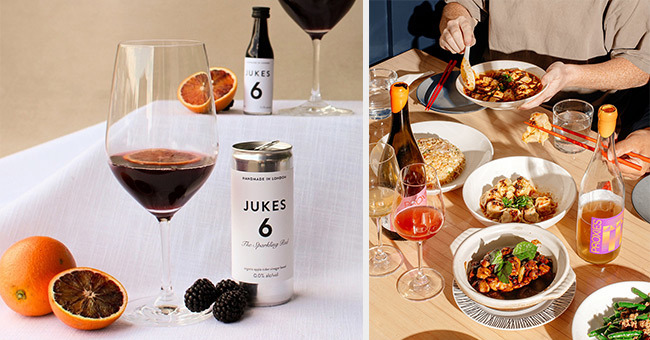
NA wine is dragging behind the beer, spirits and RTD cocktail sets. In the 52-week period ending August 10, dollar sales of NA wine were down 2.6% compared to last year; well behind NA beer (+28.9%) and NA spirits (88.1%), according to NIQ off-premise scanner data. NA wine unit sales were also dragging at -3% year-over-year. Why is zero-proof vino falling short? A lot of the challenges facing the category are driven from sourcing and production which is being passed down to consumers in a more expensive finished product that doesn’t have the depth of flavor or aroma that many wine buyers expect. Starting at the vineyard level, quality wine grapes can be expensive and not all varietals respond the same to dealcoholization. Brands are finding that sourcing premium bulk wine to go through the alcohol-removal process is costly and in short supply. Alcohol-removed wine makers like Misty Cliffs, Sovi and Jøyus, among many others, are not oblivious to these concerns and are continuing to experiment and innovate with different wine grapes and aging techniques Most importantly, the category may benefit simply by tempering expectations and continuing to get wine consumers accustomed to where the sector stands in its evolution. For the most part, its customer base is still buying full strength wine alongside alcohol-free options. As opposed to alcohol-removed options in Europe where there is a more robust wine culture, “we’re still selling the category” to consumers, said Victoria Watters, co-founder of non-alcoholic industry publication Dry Atlas. Brands like Töst and Proxies have come up with another solution to bridge the gap in U.S. consumer expectations, and the reality of dealcoholization technology. These wine alternatives are not trying to directly mimic the processing or flavor of alcoholic wines but cater to similar use occasions with complex options using teas, spices and other extracts that pair with food or can be enjoyed socially. “Something that you can swirl, that you can talk to with your friends about and be really nerdy and intellectual if you want,” said Proxies founder Charlie Friedmann. “Or that you can just enjoy after a day of work and it feels like something special that takes you out of your every day.” BevNET Insiders can read the full story for more insights on the slow growth category. |
| | | | Sponsored message from Sugaright | | Beverage makers have new pressure to decarbonize their supply chain, requiring innovation. To lower costs and decarbonize supply, tea, coffee, lemonade, soft drink, and alcoholic beverage makers have switched to Sugaright’s liquid cane sugar. Learn more about our sugar & new fermentability study.
Learn more
|
| 👉🏼 What You Need to Know 👈🏼 | | | From sports partnerships to tattoos and time zone puns, here’s a look at the latest ways beverage brands are marketing themselves to consumers.
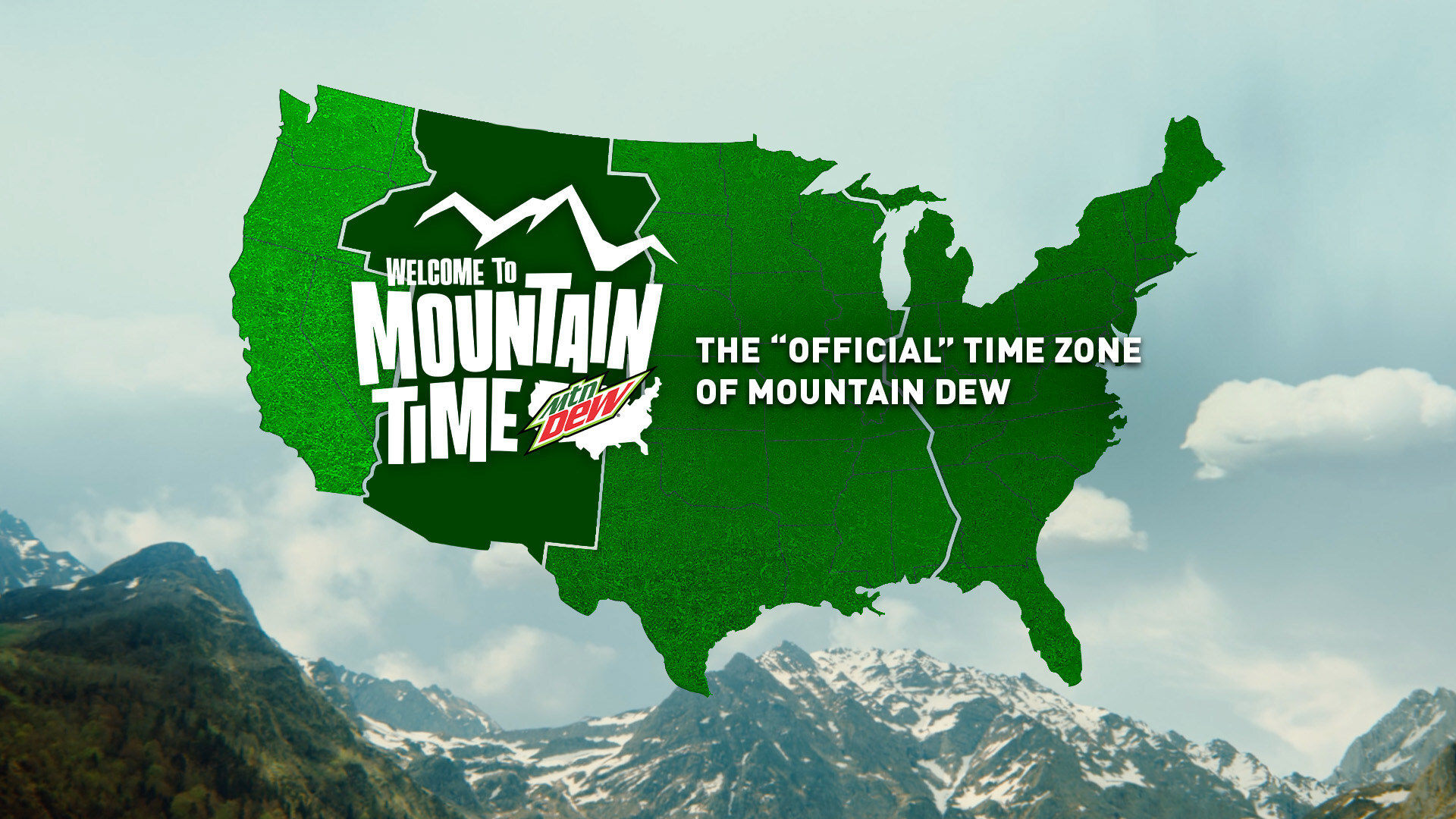
⛰️ Mountain Dew is claiming “official, unofficial” ownership of the U.S. Mountain Time zone (MST) with events promoting the brand scheduled around the region from now through the end of the year. Most eye-catching: a TikTok competition where five winners will have their moving fees covered (up to $10,000) and receive a year’s supply of Dew to relocate permanently to MST. 🐬 Football season is here and tequila producer Casa Azul is now the Official Tequila Soda of the Miami Dolphins and Hard Rock Stadium. The collaboration includes the opening of the “Casa Azul Playa Bar” at the stadium during Dolphins home games and other events. 🎸 7-Eleven is partnering with Green Day (yeah, like the band) to launch an exclusive Anniversary Blend of their Punk Bunny Coffee brand, which commemorates the 60th anniversary of 7-Eleven and the 30th anniversary of Green Day’s breakout album Dookie. Punk Bunny currently offers five bagged coffee varieties, but for some reason none of them are called “Wake Me Up When September Blends.” 🏀 “Ultra Premium” energy drink ProBaller is now the Official Energy Drink of the Los Angeles Lakers, a title previously held by G.O.A.T. Fuel. ProBaller is NSF Sport Certified and is made with natural ingredients. |
| | | Many functional beverages tout natural energy-boosting ingredients as an added benefit to help level out caffeine jitters. Now, startup AVVIKA is testing whether it can build an entirely decaf energy drink around those inclusions.
⚡ Arriving with two flavors – named “Los Angeles” and “Tokyo” – AVVIKA’s energy drinks list a number of natural ingredients intended to wake consumers up with a trace of caffeine, including ashwagandha, L-theanine, D-ribose, B vitamins and black pepper extract, among others. 🧠 It also claims to support stress relief, muscle recovery and enhancement, improved cognitive function and “regenerative benefits” – though the brand did not specify what’s being regenerated. ❣️ After years of a caffeine arms race with brands such as Bang helping to establish high doses as a category norm, more early stage energy brands have recently started to make cuts back to standard “like a cup of coffee” levels – see Juvee and WET Hydration – or get rid of it altogether, as with the likes of Kenetik, KEY and Update. AVVIKA is certainly taking that idea to heart. |
| | | The above may be designed to wake you up with alternative ingredients, but what about an energy brand helping you get to sleep? That’s what the latest product from Ghost aims to do, as the company introduces a new Blue Dream Sleep powder mix.
💤 The new powder, launching online through the brand’s website tomorrow, contains colostrum, L-glycine, GABA, ashwagandha, melatonin, L-tryptophan and other supplements intended to help consumers slide away into dreamland. 🛌 CEO Dan Lourenco has hinted at a sleep drink being in the works for awhile now, so the launch is by no means a gimmick or sudden whim on the brand’s part. 🫖 Brands have long dabbled in sleep drinks. Some, like Vital Proteins, have apparently dropped sleep-inducing SKUs, but Ghost does have some competition in the space from players like Beam, SOM Sleep and Clevr Brands. |
| | | New Jersey CPG sales agency Cascadia Managing Brands is getting into publishing. The company has announced a new 1,100 page handbook for brands, titled Flavors and Fortunes: Navigating the Food and Beverage World.
🗺️ The book includes guides to guerilla marketing and consumer engagement, case studies on Liquid Death and Netflix, and insights into distribution management and retail. 📚 It’s not something you’ll likely pick up on the airport book rack – the book is launching on Amazon and through Cascadia’s website for the price of $1,999. However, that price includes industry consultations and “a personal 30-minute session with the experts at Cascadia Managing Brands.” |
| | | PLEZi has been one of the splashier entries into kids beverages from recent years, so it’s no surprise to see the brand taking a keen interest in back-to-school season with a late summer promo: the PLEZi Sugar Pack, a first-of-its-kind backpack made from sugarcane fabric and created by designer Kheris Rogers.
🏀 The limited release, available starting today exclusively at on PLEZi’s website, features 18 limited edition patches designed by Rogers, including two in honor of new brand partners Stephen and Ayesha Curry. ⭐ The brand has had a big year so far: in addition to launching the online competition Absurdly Good Games and bringing on the Currys last month, PLEZi welcomed Kristen Bell as an ambassador and investor in May. |
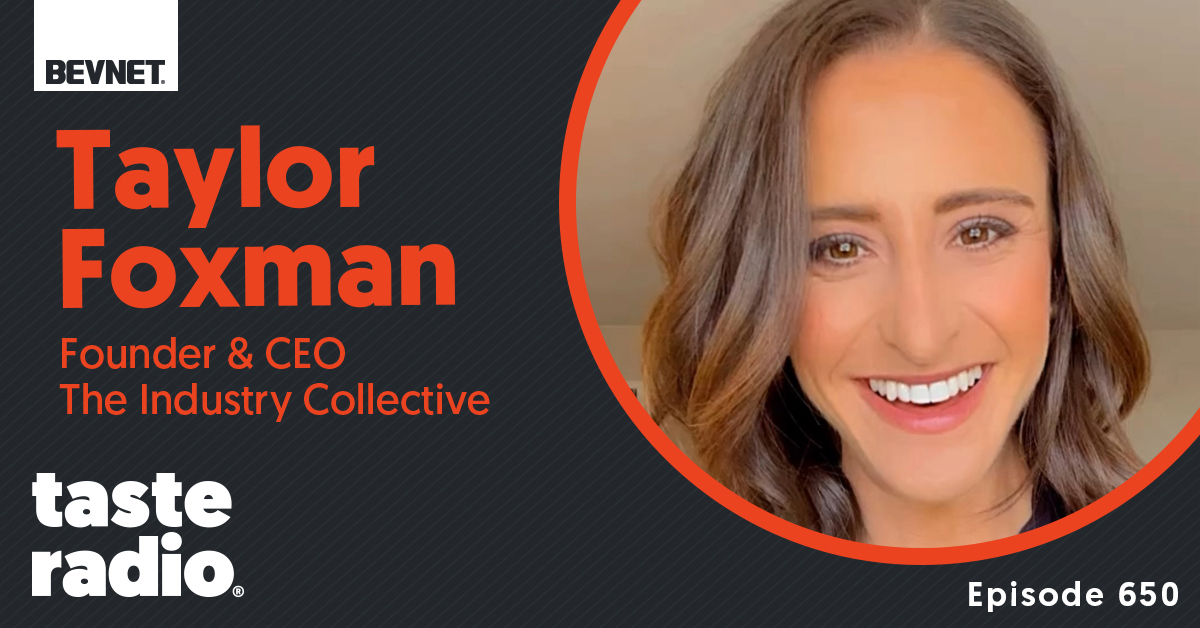
| | 🎙️ Now Streaming: Taste Radio | | | Taylor Foxman, the founder and CEO of beverage advisory firm The Industry Collective, joins us for a conversation framed as a series of statements that she addresses as true or false, including those about the value of great taste, the impact of bad PR, the sober-curious movement, the future of cannabis beverages and Gen Z consumers’ relationship with alcoholic drinks.
Listen to the episode now. |
|
| Your BevNET CPG Media Subscriptions You're currently subscribed to newsletters from BevNET CPG Media. To change which newsletters you receive, update your preferences - don't miss out on topics you care about. | |
| |
|
| | | |
|