| | | | | In this issue of Daily Briefing | - 🤔 Diageo: FY 2024 Sales Decline
- 💙 Blue Bottle Shows NOLA Some Love
- 🏋️ Tilray's Bev-Alc Portfolio Pulls Its Weight
- 🛒 Sprouts Posts ‘Outstanding’ Q2 Earnings
- 🍿 LesserEvil Is Doing Good. Really Good. Attitude & Operations Are The Keys.
|
| 📰 Today's Top Story | | | Siddhi Capital, the investment vehicle that originally formed as a joint venture between Siddhi Ops and The Finn Family Office in 2020, is ready to cultivate growth across the consumer, food, beverage and food tech sectors with the support of its new $135 million fund.
Announced today, Fund II (as it is aptly known) will mark the firm's shift from startup to growth equity stage investments and also see it broaden focus beyond the F&B scene. According to co-founder and managing partner Melissa Facchina, Siddhi has deployed the new fund while commitments came in and has already put capital into two high-performing startups from its Fund I portfolio. Facchina noted that Fund II has allocated capital to Magic Spoon, Momofuku, Mid-Day Squares, immi, Aura Bora, Liberation Labs and Plantible as well. Siddhi has also shifted to a more “traditional structure” where it will invest into a smaller number of names with larger checks going toward each. - Check sizes for first investments from Fund II will range anywhere between $3 million to $12.5 million, but on average, total between $5 million to $10 million, explained Facchina.
- She highlighted that the firm would like the “lifetime value” of its best performing investments to be between $15 million and $20 million.
The investment vehicle also sees itself, first and foremost, as a strategic partner with an eye for reigning in a company’s costs, “fighting” for every point of margin, executing “extremely tight” operational efficiency and ensuring the manufacturing footprint can scale up alongside the business’s growth. Siddhi’s in-house, back-end capabilities include manufacturing, procurement, warehousing and logistics support. “With Fund II and an eye toward building a generational asset management platform, we believed that to be holistic in both our diligence of companies and in our support of them we needed to add additional operational capabilities like senior sales expertise, DTC and strategy know-how, as such our in-house team expanded,” Facchina said. BevNET Insiders can access the full story to gain a comprehensive understanding of Siddhi’s investment focus and glean Facchina’s thoughts on the current funding landscape. |
| | | | Sponsored message from BevSource | | Whether you are an emerging brand scaling your operations or an established business looking for an edge in the market, BevSource has the resources, relationships and expertise to help. Stop by our table at BevNET Live to learn how.
Learn more
|
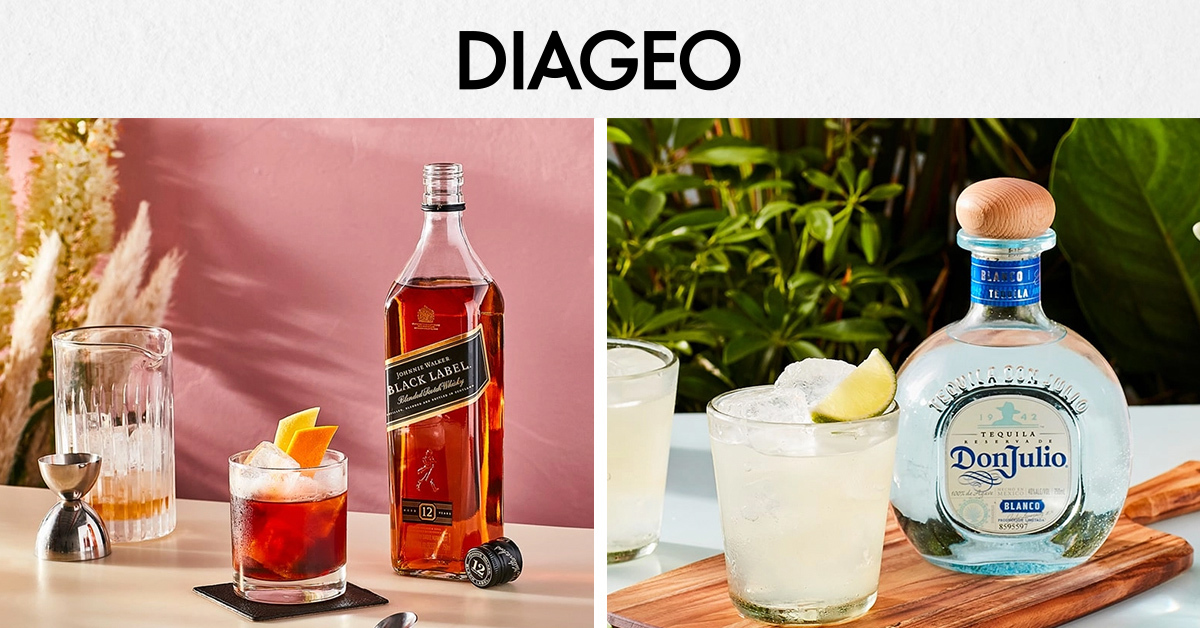
| 👉🏼 What You Need to Know 👈🏼 | | | If alcohol companies weren’t sounding the alarm about decreased consumption habits before, they may be now after global multinational Diageo posted its first yearly sales drop (-1.4% to $20.3 billion) since 2020 in its FY 2024 earnings report, with CEO Debra Crew warning of further clouds on the horizon.
◀️ Reversing negative trends in Latin America and the Caribbean (LAC) – where organic net sales were down 21.1% from the same period last year – will be a priority. Organic operating profit dropped $304 million (-4.8%), of which all but $2 million was attributable to LAC performance. 🔽 In North America, organic net sales fell 2.5% on weak spirits demand. Overall sales were down 0.6% ($129 million), with 3.5% volume decline offsetting positive pricing (+2.9%). 🗣️ Crew noted the company has “taken actions to manage the inventory issues in LAC,” to deliver “record productivity savings of nearly $700 million” and generate $2.6 billion in free cash flow. “We are confident that when the consumer environment improves, the actions we are taking will return us to growth,” she said. ✂️ The report comes as Diageo has been shedding portfolio brands: so far this year the company has offloaded Venezuelan rum label Pampero, fruit-flavored liqueur brand Safari and its Guinness Nigeria business, while reportedly exploring a potential sale of British summer staple Pimm’s. |
| | | Summer is cold coffee season; for Blue Bottle Coffee, more specifically, it’s NOLA time. The roaster and cafe chain’s New Orleans-style cold latte has been a signature since 2005, consistently ranking as its best-selling drink in summer
☕ Having leaned into instant as of late, Blue Bottle is launching a NOLA Craft Instant Coffee Blend in cafes and online in 5-count boxes for $10 each. It’s part of a trend that’s seen high-end roasters partner with tech-forward processors on convenience oriented formats, from frozen (Cometeer) to ultra-concentrate (Jot) to, yes, paste. 🪞 NOLA is also getting a more unique visual identity that “aligns with the playful, indulgent and youthful personality of the NOLA experience,” as seen on the instant product. That branding will carry over to the RTDs in 10.66 oz. cartons soon, said global product director Cara Ray. 🛻 Along with an international truck tour, NOLA is also getting some special attention in Blue Bottle’s cafe menus through August 4 with a special NOLA Cold Foam item. |
| | | Tilray Brands’ bev-alc business exceeded its cannabis business for the first time in Q4, representing 33% of the company’s total revenue mix in the quarter, up from 18% in Q4 FY23, CFO Carl Merton said during a call with investors and analysts Monday following the company’s financials release.
- Bev-alc net revenue increased +137%, to $76.7 million in Q4 fiscal year 2024 (FY24) – up from $32.4 million in Q4 2023 – as the global cannabis firm and “lifestyle brand” closed out its first year with the eight beverage brands it acquired from Anheuser-Busch InBev (A-B).
- Tilray’s total net revenue across all its businesses increased +25% in the quarter, to $229.9 million, and gross profit increased +20.3%, to $82.4 million.
- For full-year 2024, Tilray’s net revenue increased +26%, to $788.9 million. Bev-alc accounted for 25% of that net revenue, while cannabis contributed 35%, distribution contributed 33% and Tilray’s wellness brands contributed 7%.
Merton said: “As we progress through a full year with the new beverage alcohol brands, we anticipate these ratios to converge around 30% beverage alcohol, 30% cannabis, 30% distribution and 10% wellness.” Brewbound Insiders can read the full report. |
| | | Sprouts Farmers Market posted positive sales growth of $1.9 billion, a 12% increase from Q2 2023. The natural grocery chain opened five new stores during the quarter, bringing it to a total of 419 locations across 23 states. CEO Jack Sinclair called the results “impressive” in prepared remarks citing that the company is seeing its “health-enthusiast customers have responded positively to its differentiated product assortment and unique shopping experience.” Let’s dive into the numbers:
- Same store sales growth of 6.7%
- Gross margin was 37.9% and 38.1% through the first half of 2024
- Adjusted EBIT of $127.3 million versus $99.7 in Q2 2023
- Authorized a $600 million share buyback program and repurchased 640,000 shares of common stock
- For the full-year, Sprouts expects net sales growth between 9% and 10% and adjusted EBIT of $445 million to $455 million.
|
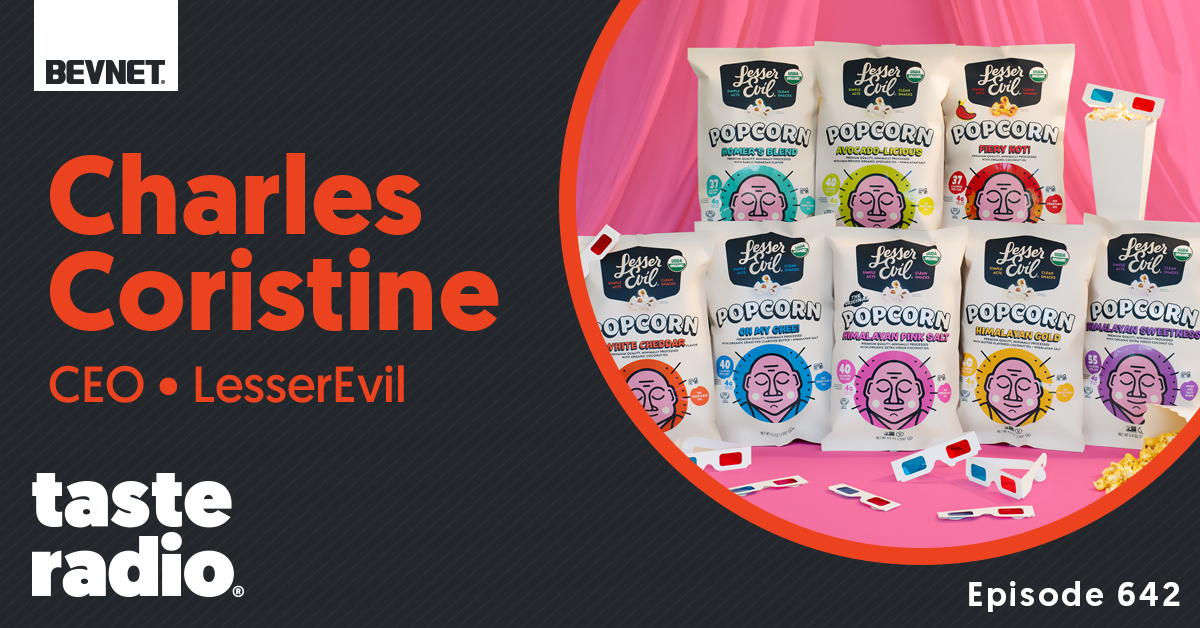
| | 🎙️ Now Streaming: Taste Radio | | | Charles Coristine, the CEO of high-flying better-for-you snack brand LesserEvil, talks about the company's self-manufacturing model and how it relates to retail strategy, innovation and gross margin, why making organic foods affordable is both moral and fiscally wise and what he’s learned about staffing, leadership and branding.
Listen to the full episode now. |
|
| Your BevNET CPG Media Subscriptions You're currently subscribed to newsletters from BevNET CPG Media. To change which newsletters you receive, update your preferences - don't miss out on topics you care about. | |
| |
|
| | | |
|