| | | | |  | In this issue of Daily Briefing |
- ☕ Do You Beliv in High Brew?
- 🔴 Bang Sees Red: Coke To Carry Monster’s New Brand
- 🍸 Remy: Sales +10% In FY 2002-2003
|
| | | Sponsored message from G3 Cans | Now the most reliable supplier in the industry is also the most affordable. Whether you’re looking for a new supplier or want to diversify your current canned beverage offerins, there’s never been a better time to put our over 40 years of beverage industry expertise to work for you.
Learn more
|
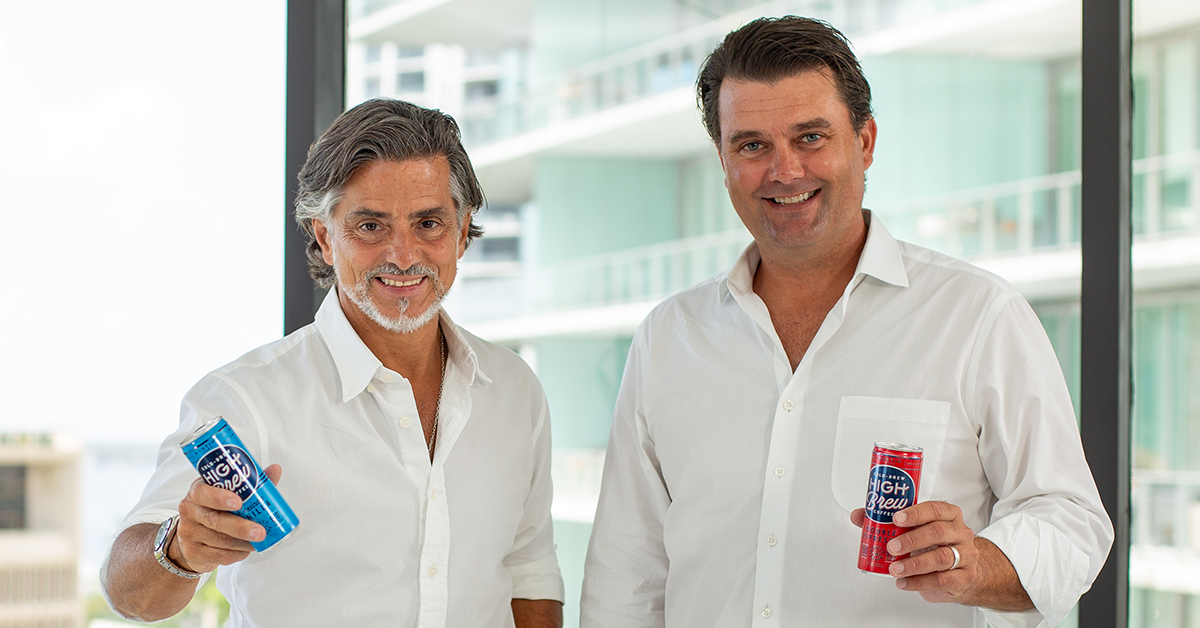
| 📰 Today's Top Story | | | Canned cold brew coffee pioneer High Brew has sold a 78% ownership stake to Beliv, a Latin American beverage portfolio company that has been expanding its American business over the past two years through the acquisition of better-for-you drink brands like Big Easy and the launch of its plant-based energy drink OCA. Founded in 2013 by CEO David Smith, High Brew was among the first ready-to-drink cold brew coffee brands in the U.S. Through a prior distribution partnership with Keurig Dr Pepper (KDP), the brand helped to drive the cold brew trend. The brand is currently distributed to over 15,000 locations nationwide and is sold online. Smith will remain involved in the brand as a consultant to Beliv. He and High Brew’s current investors still own the remaining 22% of the company. Beliv’s CPG portfolio includes over 40 brands sold across 30 countries across the U.S., Latin America, Europe and China. The business was founded by its CEO, Argentine entrepreneur Carlos Sluman. Though it proved pivotal to kickstarting the cold brew wave, High Brew has since seen much of its market share overtaken by competitors in the space like STOK, La Colombe, Chobani and, of course, Starbucks. Market research firm Circana reported retail dollar sales of High Brew cold brew coffees down -31% to about $4.8 million in the 52-week period ending April 23. Ecommerce data is not included. But that decline is more or less in line with the category: cold brew overall fell -29.2% in the period, with set leader Starbucks falling -43.2%. Other brands such as La Colombe’s cold brew line (-9.3%) and Rise (-6.7%) also faced dips in the period. The announcement arrives less than a week after KDP announced it had purchased a 33% stake and signed an exclusive distribution agreement with La Colombe, which makes a variety of dry and RTD coffee products, including cold brew and canned draft lattes. |
| | 🏃♂️ Following Up | | With each passing day, Bang’s fate has slowly come into clearer view. After a tumultuous six months of legal tussles — some of which are still ongoing — the fallen energy drink giant is close to completing its acquisition by Monster Beverage Corp., a move that, besides ending one of beverage’s great modern soap operas, marks a new chapter of consolidation in the category. Up until now, one of the few remaining questions was how this strategic realignment might impact distribution. Now we know. Per reporting in Beverage Business Insights, The Coca-Cola Company, Monster’s distribution partner and a major stakeholder, has exercised its right to distribute newly acquired Bang, marking the brand’s second go-round in one of the country’s largest beverage suppliers. How does that shape the bigger picture? Yesterday we noted how mushroom-powered natural energy drink Odyssey had been picking up new beer distributors as it expands across the South; that may be the start of a trend, as DSD houses will (yet again) see a major energy brand shift into exclusivity. That shift should create opportunities for some brands — looking at you, PRIME — to find partners, but also means the mountain those startups have to climb to break through the category will likely be even steeper. As for Bang, it will have to ride alongside the likes of former competitor-turned-coworker REIGN, but without its once-vaunted “super creatine” callout. Expect Celsius to consolidate its hold on third place in the category while Bang’s future is sorted…. Could a return to fitness and nutrition channels be in the cards? |
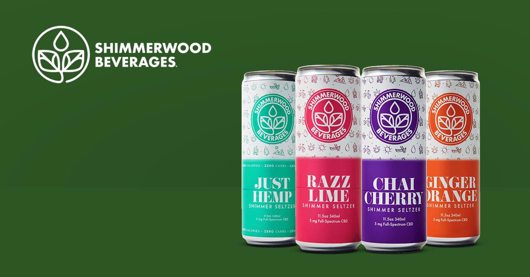
| | 👉🏼 What You Need to Know 👈🏼 | | | As the lack of federal approval for CBD has pushed many infused brands to branch out beyond the hemp-derived ingredient to expand their businesses, Shimmerwood Beverages is doubling down. - Launched in 2021, Shinmerwood produces a line of seltzers made with fruit shrub, bitters and 5 mg of full-spectrum CBD per 11.5 oz. can.
- The New England-based startup has moved into a new co-packing facility in Maine, giving it the increased capacity needed to expand into the New York market and meet rising online demand.
- Shimmerwood has seen many of its top competitors either introduce new non-CBD lines or pivot away from the ingredient entirely as the government has yet to offer full approval for the cannabinoid’s use in food and beverage. The brand, though tiny in about 100 doors, is refusing to join the exodus and views this shift as an opportunity to become more prominent as a dedicated CBD beverage brand.
Read the full story on BevNET. |
| | | Rémy Cointreau increased sales 10.1% in FY 2022-2023 to $1.72 billion, the company reported last Friday in its annual report. - The French spirit company’s Cognac division accounted for 71% of the group’s total sales. Liqueurs and spirits, which includes Cointreau, Metaxa, and Bruichladdich, made up 27% of the group’s total sales.
- Just as other spirit groups have focused on premiumization, the company’s priorities are enhancing the value per case by increased investments in their most profitable brands, while gradually refocusing the less profitable brands on their high-end products.
|
| | | Zevia has pre-announced weaker than expected net sales ahead of its Q2 earnings release, citing pressures related to supply chain disruptions, according to a report from Goldman Sachs Equity Research. - The report noted that Zevia moved “too fast with limited downside protection” in streamlining its supply chain from 25+ warehouses with multiple operators to 7 locations.
- Zevia management lowered its Q2 net sales guidance from around $48 million to $41 million and its FY23 net sales guidance from $180-$190 million range to around $163-$168 million.
- The negative results have already sparked a response from the company: COO Quincy Troupe will resign from his position effective August 4.
- The company is “pausing some components of its supply chain transition in an effort to restore service levels” by end of FY23.
- Goldman Sachs analysts noted that the stock is expected to trade down as a result, and that a breakthrough in the all-important c-store channel was likely to be delayed until supply chain issues are resolved.
|
|
| Your BevNET CPG Media Subscriptions You're currently subscribed to newsletters from BevNET CPG Media. To change which newsletters you receive, update your preferences - don't miss out on topics you care about. | |
| |
|
| | | |
|