| | | | |  | In this issue of Daily Briefing | - 🍷 Constellation Drops Wine Brands
- ⭐ Reviews? We Got 'Em
- 📈 Protein Demands Support SGFC
- 🇺🇲 Bigelow Owes Consumers $2.3M
- 🤐 Tariff Thursday?
- 🏭 Manufacturing Moves
- 🚢 Tariff Turmoil For Small Brands
|
| | | Sponsored message from Bio-Botanica | Partner with Bio-Botanica for made-to-order botanical extracts crafted in our NY-based GMP facility. Our alcohol-free and glycerin-based ingredients support innovation across beverage, supplement, and functional wellness formats.
Learn more
|
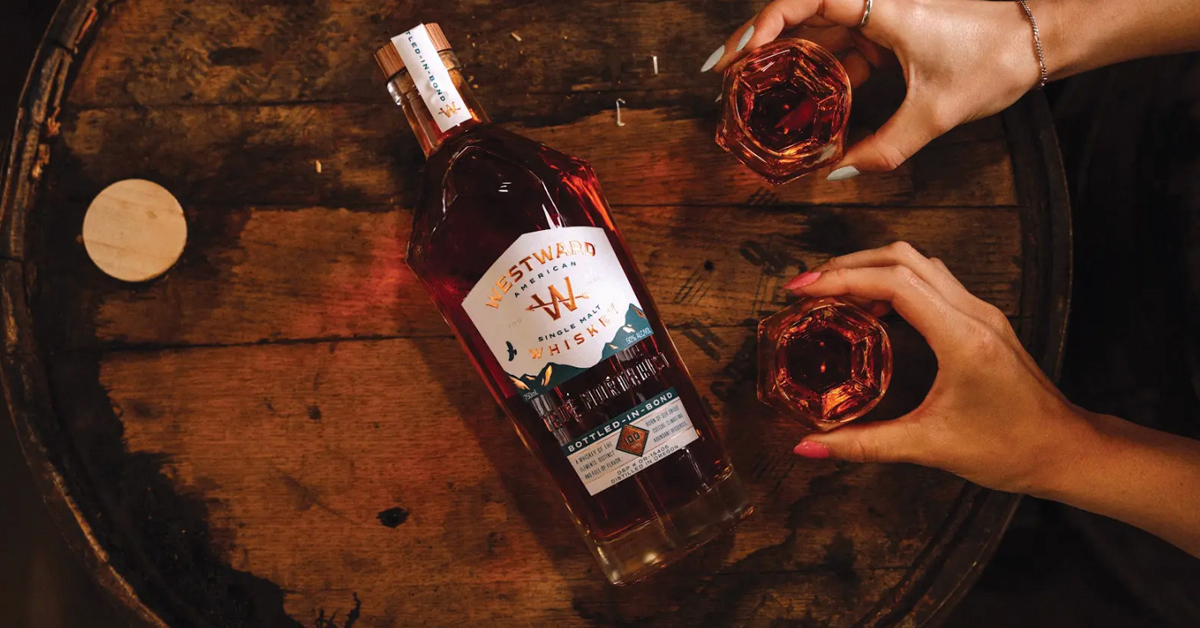
| 💭 Today’s Big Take | | | American single malt (ASM) distillers have been riding high since the style was made an official spirit category at the end of last year. But Westward Whiskey’s filing for Chapter 11 bankruptcy this week illustrates the promise and the struggles for a “new” spirit as American whiskey distillers face mounting pressures. First a little drunk history lesson: With Scotland historically dominating single malt whiskies, Americans were late to hop on the bandwagon – domestic single malt styles didn’t appear until the 1980s, by which time Scotland and Japan were already category leaders. - But the style has grown stateside, giving major brands a way to broaden their portfolios into higher end whiskey.
- While designation status might seem like a technicality, regional specificity and regulations have helped to boost drinks like tequila, cognac and champagne.
- In 2024, there were over 200 U.S. distilleries making single malts and representatives from the TTB said that they’ve received ten ASM label applications per week since the category was made official. Brands are clearly now eyeing both domestic and global opportunities.
So it’s ironic that Westward Whiskey, one of the pioneers of the style, is now struggling under the pressures facing many craft and whiskey distilleries: a decline in demand for bottled spirits in general, the rising cost of goods and services (let’s not get started on tariffs), market access constraints, as well as an investment in production capacity that is now sitting idle. On the other hand, the rush to ASM is a life raft for North Carolina-based contract distiller Southern Distilling Company, which is making up for a loss of bourbon contracts with ASM orders, both for new brands as well as extensions, according to co-owner Pete Barger. ASM has historically been dominated by a few brands, now the spirit may become more available and arrive on the shelf at lower price points – all while Westward Whiskey aims to get back on its feet. For more spirits insights sign up for our free spirits newsletter and reach out to Spirits Editor Ferron Salniker with insight and tips. Go Deeper: Get all of the details on Westward’s Chapter 11 filing. |
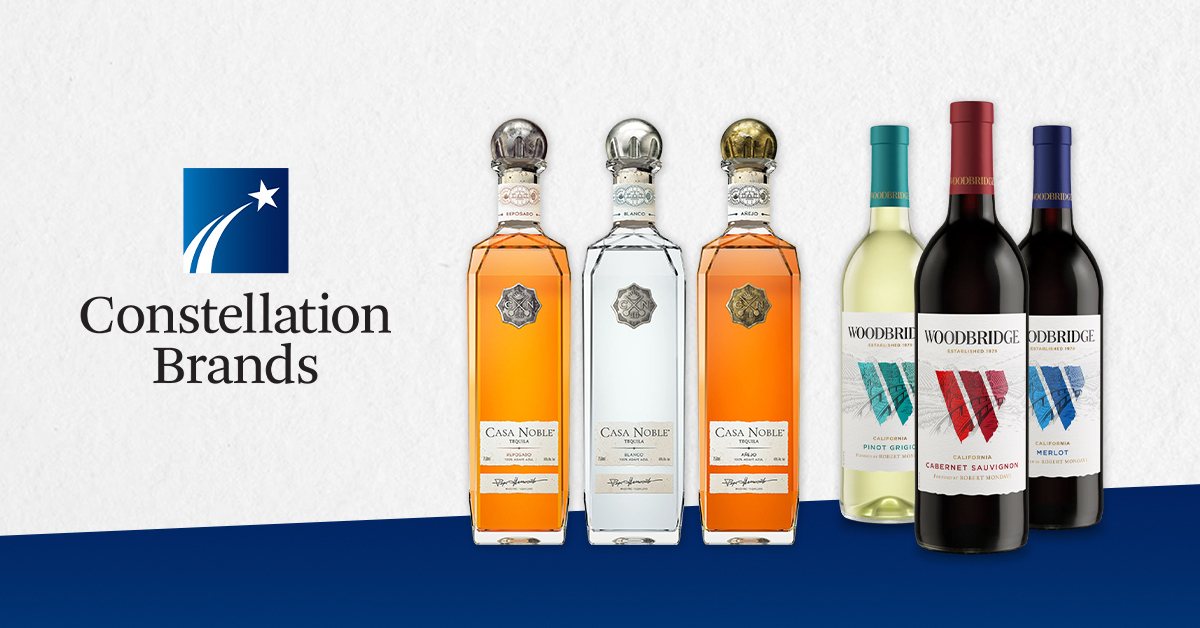
| | 👉🏼 What You Need to Know 👈🏼 | | | Constellation Brands is offloading several of its mainstream wine offerings, as The Wine Group LLC has agreed to buy seven of the conglomerate’s brands, including three facilities and 6,600 owned and leased acres of California vineyards. 🍇 The deal includes the Cook’s, J. Rogét, Meiomi, Robert Mondavi Private Selection, SIMI, and Woodbridge wine brands, as well as the SIMI winery in Healdsburg, Calif. and two more production sites in Lodi and Monterey County. 💸 The involved brands are primarily lower priced products, and Constellation now intends to focus on a more premium portfolio of wines priced $15 and higher. 💰 In its fiscal year and Q4 2025 earnings report (also posted on Wednesday), Constellation said it expects the restructuring to create over $200 million in net annualized cost savings by fiscal year 2028. Go Deeper: Lawsuit Alleges Constellation Misled Investors on Wine and Spirits Division |
| | | This week at BevNET we rounded up Millie Bobbie Brown’s latest Florence By Mills Coffee release, a LTO collab between “Diners, Drive-Ins and Dives” host Guy Fieri and Waterloo as well as U.K.-based magnesium beverage OHMG. Then, we chronicled our thoughts with each swig, highlighting aspects of the brand, liquid and product positioning that stood out and things the company could consider for next time. 🆓 Check out this week’s review roundup on BevNET. To submit your beverage product to BevNET for review, click here. And to browse past reviews, check the archive here. |
| | | | Sponsored message from Brothers International | | Brothers International delivers premium fruit ingredients from the world’s finest growing regions. We supply juices, purees, concentrates, and IQF fruits to top food and beverage brands, backed by decades-long grower partnerships for consistent quality, exceptional service, and scalable solutions.
Learn more
|
| | The Simply Good Foods Company (SGFC) saw double-digit net sales growth in Q2, primarily driven by the “mainstreaming of consumer demand” for high-protein, low-sugar, low-carb foods and beverages, per its earnings report released Wednesday. Here are some key numbers: - Overall net sales climbed 15.2% year-over-year to $359.7 million, including $33.8 million from the OWYN brand.
- Net income rose from $33.1 million to $36.7 million.
- Adjusted EBITDA grew 18% to $68 million, reflecting favorable commodities and strong cost discipline.
💭 Despite looming tariffs and inflationary headwinds, CEO Geoff Tanner expressed confidence in the future: “Obviously, it’s a dynamic time with a lot of uncertainty and pressure on consumer sentiment. But with that said, by far the majority of our products are made and sold in the U.S.” Insiders can read the full recap on Nosh. |
| | | | | Today’s the final day to lock in early bird pricing for BevNET’s 2025 Alcohol & Alternatives Guide! A curated listing of brands, suppliers, and service providers across spirits, RTDs, beer, wine, cannabis drinks, NA options, mixers, and more. The guide will be featured in the May/June issue of BevNET Magazine, promoted on BevNET.com, and shared in our daily newsletter, reaching a wide audience of industry professionals. List now. |
| | | American tea producer R.C. Bigelow committed fraud when it said its products were “Manufactured in the USA 100%,” per a California federal jury this week. - Bigelow was ordered to pay a class of Californian tea buyers $2.36 million in damages after the court found that the made in America claim was “literally false” because a majority of its tea is imported.
- That’s not the full amount sought by the plaintiffs however – an expert testified that consumers overpaid by 11.3%, or $3.26 million.
- The class action lawsuit was filed in 2020 and culminated in a five-day jury trial last week.
🙅 Bigelow does process and package its tea in American facilities, but lawyers argued that the company was well aware of the FTC’s full requirements to say a product was “Made in the USA.” Catch up on the case here. |
| | | Every day of the week is Tariff Day, so it now seems. Trump walked back his “Liberation Day” tariff plan on Wednesday, pausing levies for at least 90 days and giving nations around the world a slight reprieve from the unique fee rates he implemented this time last week. - China is the one exception to the pause and will now be slapped with a 125% duty.
- Although the tariff plan has been paused, all nations will still be subject to a universal 10% tariff.
⁉️ What does this mean? Well, that's a loaded question that top economists likely can’t even answer. There still remains a high probability that Trump will reinstate the plan after the 90 days are up (a.k.a. July 9,2025). There’s also a chance he could abandon his napkin math altogether. Quite literally, only time will tell. 🏭 For now, most food manufacturers will still face increased costs, due to reciprocal tariffs and, for many, from fees on China-sourced packaging. - Over the past few weeks we’ve spoken with a handful of well-established, mid-sized food businesses who warned that due to limited packaging solutions in the U.S., they are unable to onshore this portion of their supply chains.
- The vast majority of these inputs are produced and sourced from China.
- They all noted that increased packaging costs will put a large, and, for some, potentially lethal, strain on their businesses depending how long the tariffs remain in place.
Go Deeper: How Burlap & Barrel Is Navigating Tariffs |
| | | 🥛 Flavor and fragrance producer MANE has increased production capacity five-fold with the opening of a new manufacturing facility in Woodlawn, Ohio. The over $100 million investment will support the company’s growth over the next two decades and brings the addition of 60,000 sq. ft. of ambient, refrigerated and frozen storage and 25,000 sq. ft. for production. 🌿 Victory Hemp Foods has activated what it claims to be North America’s largest hemp heart protein and oil processing line to meet the demand for its Victory’s V-70 protein and V-one Oil. By 2030, the brand plans to source 20,000 acres of hemp, generating $18 million annually for local farmers. |
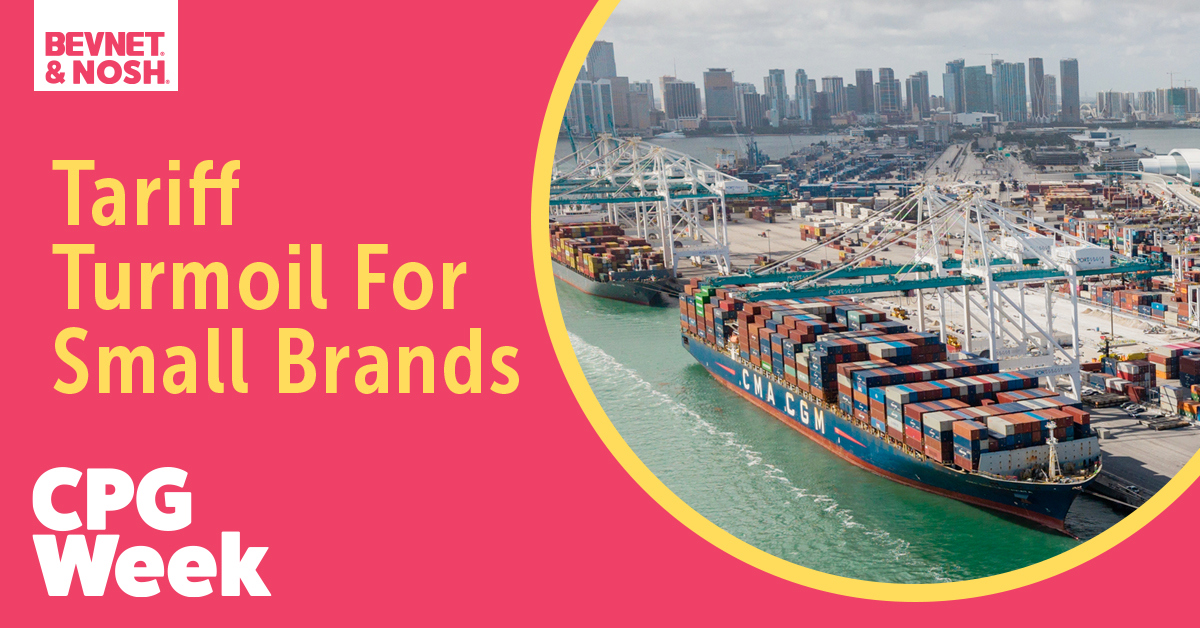
| | 🎙️ Now Streaming: CPG Week | | | On this episode of CPG Week, the podcast team discusses how the continuously changing landscape of tariffs is impacting small food and beverage brands. - The podcasters spoke with several founders to hear how they are planning to keep their businesses afloat amid an escalating global trade war.
- From reducing trade spend to tariff-related spring sales, CPG brands are facing an uncertain future of higher input costs as sourcing ingredients and packaging becomes increasingly expensive.
Click here to listen to this week’s episode. Also available on Spotify and Apple Podcasts. |
| | |
Have feedback or a tip to share? Let me know at adeluca@bevnet.com.
That's all for today's Daily Briefing. We'll be back in your inbox tomorrow. |
|
| Your BevNET CPG Media Subscriptions You're currently subscribed to newsletters from BevNET CPG Media. To change which newsletters you receive, update your preferences - don't miss out on topics you care about. | |
| |
|
| | | |
|