Sick of tariff talk?! Buckle up – it's going to be a while before we can quit this one. We’ve spoken to a selection of small businesses to understand how Trump’s tariffs are impacting the performance and future of CPG brands, but today it's time to zoom out, take a temperature check on consumer perception and assess what categories can be expected to see the biggest squeeze. Setting The Scene: Eighty percent of shoppers want brands to be transparent if tariffs cause them to raise prices, per a recent report from NielsenIQ. But, consumers still lack a significant understanding of where their groceries come from. Thirty-four percent are entirely unsure while just 25% understand that less than half of their groceries come from the U.S. “Tariffs have the potential to significantly reshape consumer behavior. Younger and higher-income shoppers are at the forefront of demanding price transparency and clear labeling,” said Chris Costagli, VP of food insights at NIQ. “These dynamics present both challenges and opportunities for manufacturers to innovate and meet diverse consumer expectations as tariffs change the pricing environment.” Nielsen also accessed the most at-risk categories based on regular price elasticity (RPE). - Those calculations spell bad news for the people over at Pop-Tarts – toaster pastries took the top spot for “most at-risk” followed by Oil, Butter & Margarine, Rolls & Buns, Bread and Cookies & Crackers.
- On the beverage side, Sports Drinks, Coconut Water and Energy Beverages take the top three most-at-risk slots.
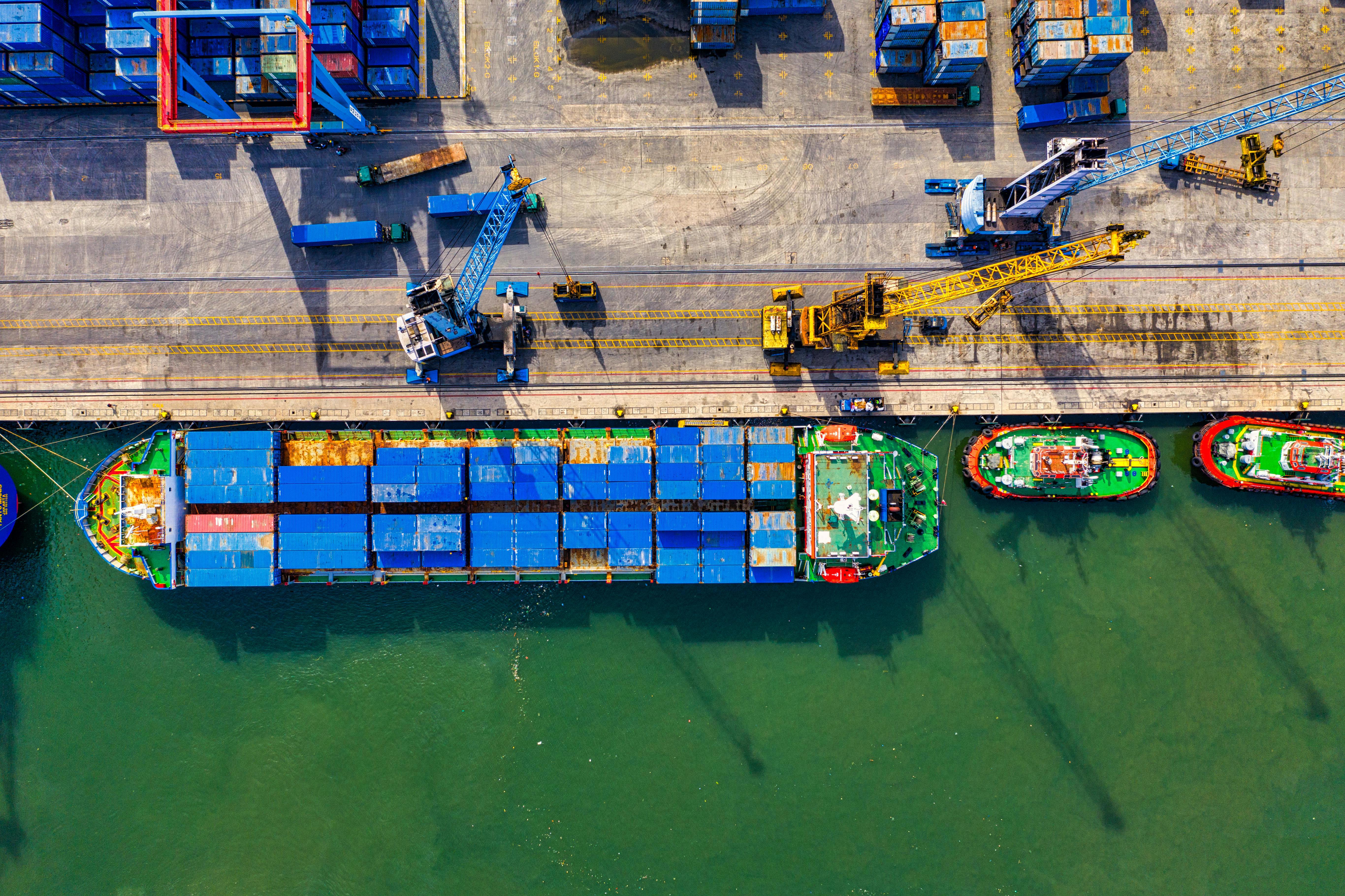
Although global, reciprocal tariffs have been paused until early July, the universal 10% levy – as well as the impact of industry specific fees such as on aluminium or lumber – will have broad-reaching implications on food supply chains. Let’s zoom in on Canada and Mexico (which are still subject to a 25% tariff) because, per NIQ, the implications at the grocery store could be enormous. The U.S. imports $15.2 billion worth of food from Canada (think: candy, gum, mints, processed oats, etc) and $6.7 billion from Mexico (i.e. tomatoes, avocados and plenty of other perishables). But the inputs are just a fraction of the equation. Most packaging used for food is imported from China – which is subject to a levy ranging up to a 245%, per the current mandate – and other components, down to the wood used for pallets that transport product to stores – will become more expensive due to duties. All of these added costs will eventually be reflected in the cost at checkout as well. "There are many nuances to tariffs and how they affect CPG companies,” said Steve Zurek, NIQ VP of analytics. “Importing finished goods is only one component, but CPG companies will also be affected by cost changes to ingredients, packaging and challenges to established supply chains." Let us know how your company is handling the evolving trade war. Send thoughts to adeluca@bevnet.com. Go Deeper: Beyond Good Finds ‘Skeptical Optimism’ In Facing 47% Tariff |