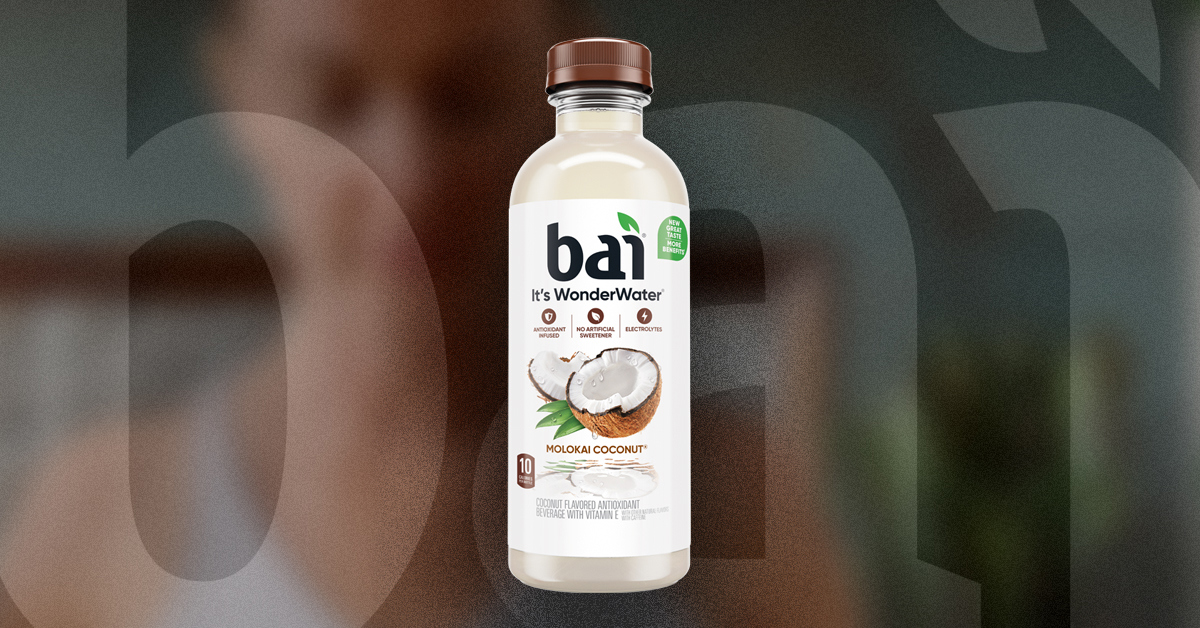
| | | | |  | 🎪 NACS 2023 | | | 💧With Core Hydration+, the function-forward sub-line of KDP’s premium water, living outside of c-stores for the most part, a "full renovation" of Bai is on the way to play as KDP's enhanced water play in convenience. On the two flavors -- Bing Cherry and Molokai Coconut, both launching in March 2024 -- displayed at the NACS booth, trademarked "WonderWater" name is now prominently displayed beneath the brand name, along with a callout for "New Great Taste, More Benefits." According to brand reps, Bai has been revamped with an improved sweetener formula, immunity support (vitamin C and zinc) and electrolytes. After dabbling in everything from purified water to CSDs, teas and lemonade, giving the brand a more focused identity may help revive its fortunes. 💣 C4 was one of the first energy drink brands to make licensed IPs a staple of its product strategy, rolling out collaborations with household names like Starburst and Skittles. So why stop now? Next year will see three licensed Popsicle flavors -- Cherry, Grape and Hawaiian Pineapple -- join the core 200mg caffeine performance energy line in 16 oz. cans. Turns of any kind are welcome, but company reps told us familiar flavors serve to drive overall brand awareness and help transition first-time consumers onto regular SKUs. Read the full KDP NACS report on BevNET |
| | | | Sponsored message from Techniblend | TechniBlend’s blending and batching systems incorporate exclusive technologies into a simple and reliable processing system. The system is available with integrated deaeration, product cooling, in-line carbonation, CIP On-Demand, and many other TechniBlend process solutions and options.
Learn More
|
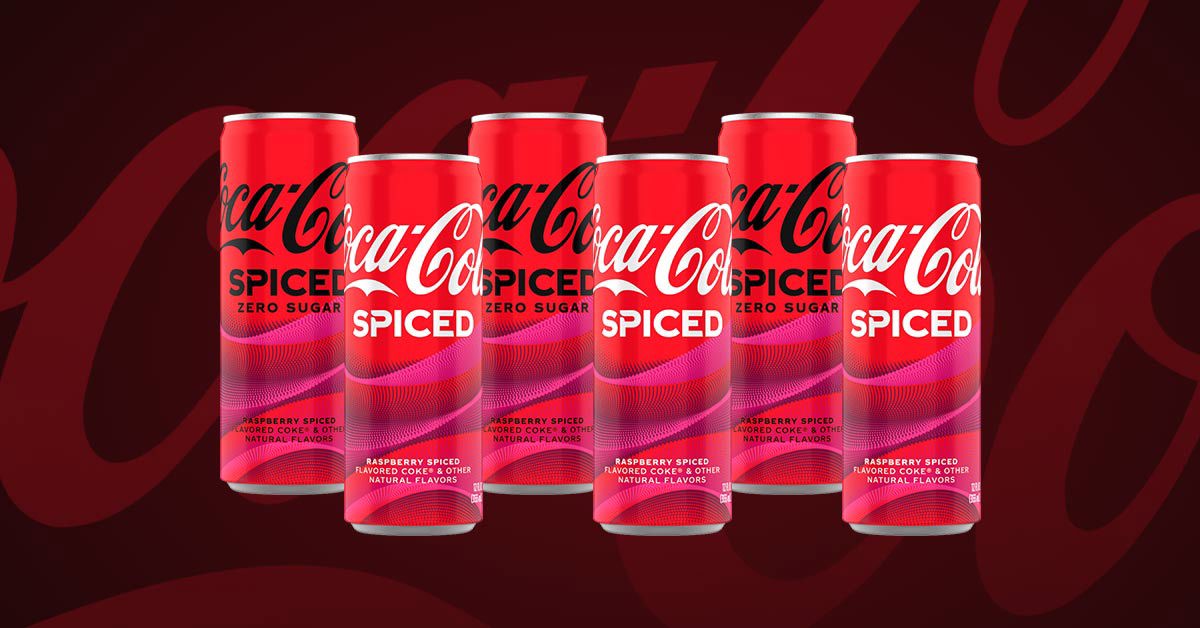
| | | Coke featured some RTD innovation at this year’s NACS show, highlighted by Coca-Cola Spiced, a new permanent sub-line that will rotate flavors in and out, starting with Raspberry in February 2024 in both full and Zero Sugar versions. Packaged in 12 oz. slim cans, Spiced isn't meant to harken to winter seasonal flavors so much as offer "more bite," or maybe simply a robust Coke experience. At a time when young consumers have so many other beverage options beyond CSDs, it's imperative to provide a reason for them to choose Coke, the brand explained; as such, sleek 12 oz. cans will also extend to Coca-Cola, Sprite and Coca-Cola Zero Sugar. But what about coffee? Yes, the Dunkin’ partnership keeps plugging along (Caramel now in multi-serve) but it's Coke's ambitions for Costa Coffee that are more eye-catching. On display at NACS, the brand's latest and biggest piece of equipment, Costa Smart Cafe, is designed to replicate the complete hot and cold beverage menu from Costa's cafes, with each brewed in 90 seconds or less and falling somewhere between $3 to $5. Brand managers see airports, student centers and more off-premise vending to come. In contrast, Costa's move into the U.S. RTD market with its three-SKU Flat White line seems to have stuttered thanks in part to confusion amongst consumers about what makes for a flat white -- like a cappuccino, but with just a thin layer of milk foam -- in a can. A revamp of that line is on its way next year. Read the NACS Coca-Cola report on BevNET |
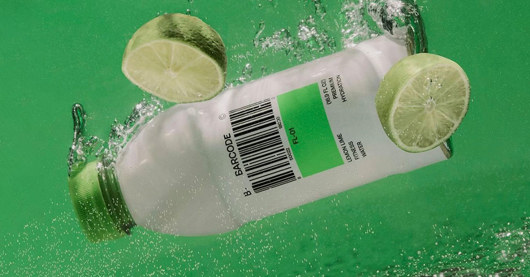
| | 👉🏼 What You Need to Know 👈🏼 | | | Functional sports drink startup Barcode is opening up the New York market through a new partnership with DSD house Rainforest Distribution, the brand announced last week. Barcode founder Mubarak “Bar” Malik told BevNET on Friday that the brand has begun building out a team to service the New York metro area, including new regional sales manager Andrew Braun who comes to the company from Sanzo. The brand will be employing third party merchandising company Boost to support the region and is set to launch in accounts like Gourmet Garage, West Side Market and Fairway. Rainforest now marks Barcode’s largest distribution partner to date. However, Barcode’s largest footprint has not been its backyard of L.A., Malik said, but Texas, where the drink is distributed by Glazer’s Beer and Beverage, Dynamo and Silver Eagle and is set to roll out to H-E-B stores within the next 30 days. Read the full story on BevNET. |
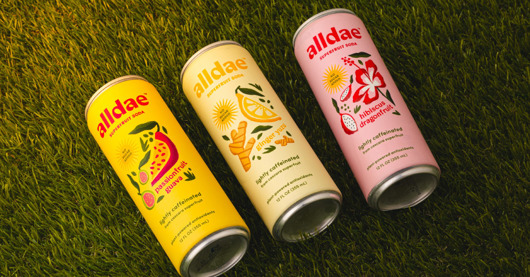
| | | | Having launched as a sparkling cascara drink in 2021, Alldae is back with a brand new look and revised product lineup. Now revamped as a “superfruit soda,” how does the mid-calorie CSD taste and look the second time around? Like it’s “ready for prime time,” according to our review team. Read the full review on BevNET |
| | | Canned lemonade brand Ooh La Lemin has been acquired by Wisconsin-based craft soda and beer producer Sprecher Brewing Company. Ooh La Lemin had been owned by publicly traded holding company Kona Gold Beverage, Inc., whose portfolio includes the Kona Gold hemp energy drink and CBD energy water HighDrate. 🚚 With the sale of Ooh La Lemin, Kona Gold said it will be shifting its focus to its distribution company, Gold Lead Distribution, and said the divestment will lead to a “drastic reduction in overhead” costs. However, the Kona Gold and HighDrate brands remain priorities for the company. 🍺 Sprecher – which makes its own brand of sodas, lemonades and beer (of both the “root” and regular alcoholic kind) – has been expanding its non-alc portfolio in recent years; in 2021 the company acquired regional soda maker WIT Beverage Co., which included the Green River and WBC Craft Soda brands. |
| | | Molecular coffee maker Atomo Coffee has pivoted from cans to bags. In a sidestep from its initial beanless, RTD innovation, the Seattle-based brand has tabled its cold brews and opted to sell ground espresso blend with an exclusive launch at Gumption Coffee in Times Square, New York. ☕ The company had been showcasing its three SKUs of canned cold brew as recently as last month but has scrubbed the RTDs from its website and Instagram as it markets its one-pound bags of coffee-alternative grounds – in regular or decaf. 🌱 Founded in early 2019, Atomo has raised about $51.6 million for its pursuit of making a coffee alternative that is more sustainable than traditional beans. The company uses upcycled ingredients like seeds (date, ramon, sunflower), pea protein, and millet among other ingredients to mimic the flavor and process of pulling a shot of espresso. ✋🏼 They aren’t alone: San Francisco-based Minus Coffee has an RTD, Voyager Foods has plans to launch its coffee-free brews as a private label supplier and Netherlands’ Northern Wonder brand has a variety of ground options available as it begins pressing a coffee alternative in bean form. Go Deeper: Can Beanless Coffee Solve The Industry’s Sustainability Problems? |
|
| Your BevNET CPG Media Subscriptions You're currently subscribed to newsletters from BevNET CPG Media. To change which newsletters you receive, update your preferences - don't miss out on topics you care about. | |
| |
|
| | | |
|