| | | | |  | In this issue of Daily Briefing | - 🏛️ Is SBA Bureaucracy Bankrupting Businesses?
- 🆕 This Week's New Products
- ☕ Emma Chamberlain Lands A Promotion
- 🌾 SPINS: Insights On Sustainable Grains
- 🥩 Elmhurst Jumps From “Milk” to “Meat”
|
| | | Sponsored message from Bio-Botanica | Bio-Botanica has 150+ Native Botanical Extracts, extracted using their proprietary Bio-Chelated® cold extraction process capturing and maintaining the plant's full phytochemical spectrum. We formulate these into powdered and liquid ingredients -- perfectly every time -- to power-up your brand. Let us create a specific and special blend for you!
Learn more
|
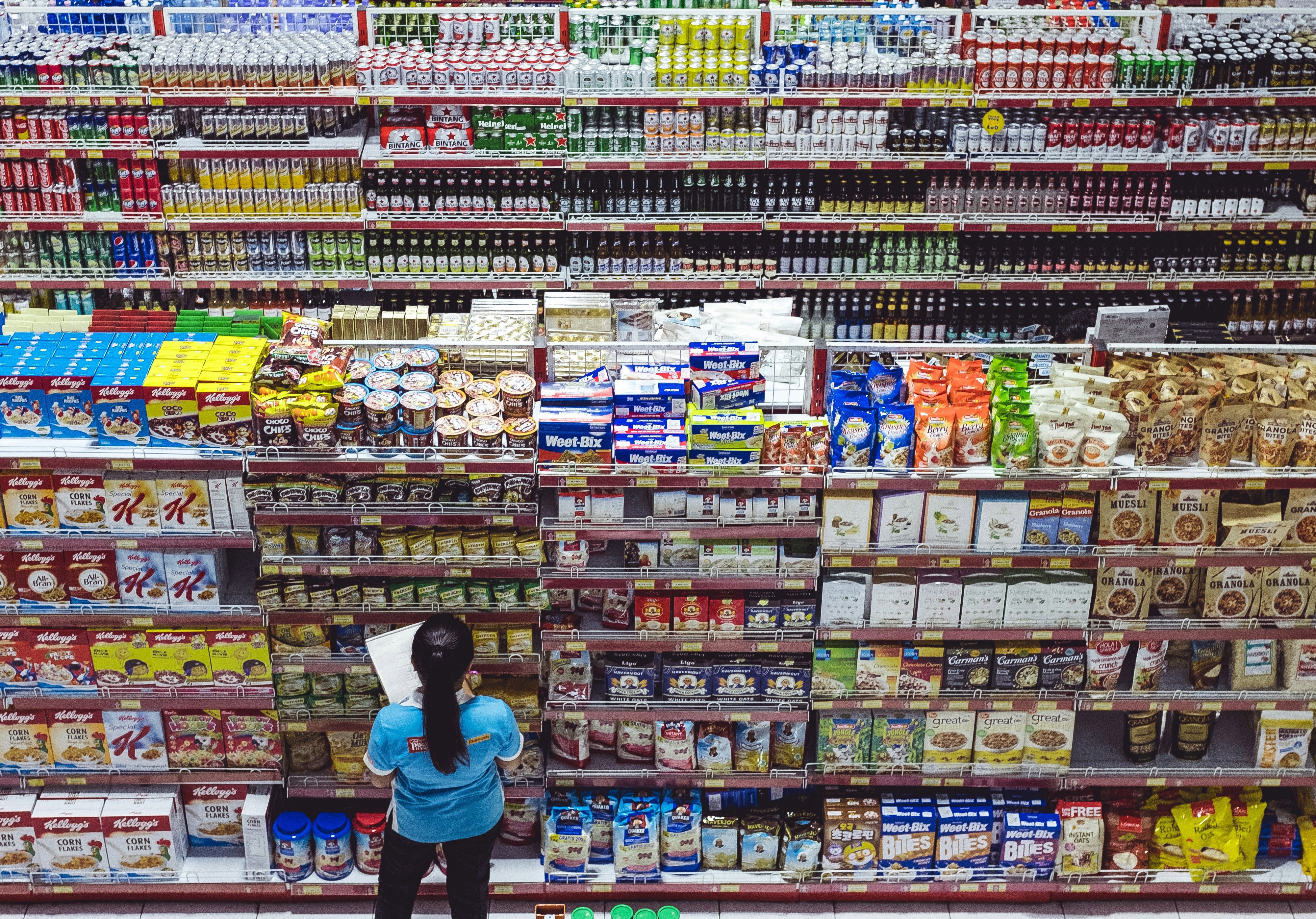
| 📰 Today's Top Story | | | For the first time in three years, the U.S. inflation rate fell below 3% as the Consumer Price Index (CPI) landed at a cool 2.9% year-over-year during the month of July. For shoppers concerned about the price of their grocery bills, the food and beverage sector has seen pricing growth slow well below that rate, and is now even declining in some categories.
Since January, inflation for food pricing has remained low. At-home food (i.e. groceries) rose just 0.1% in July – the same rate as June and only up mildly from flat growth in May. Meanwhile, all food, including away from home, was up just 0.2%. That may not mean prices overall are coming down just yet, but in beverage, at least, some retail data suggests companies are now cutting prices. According to NielsenIQ, in the two-week period ending July 13, average pricing in U.S. retail for non-alcoholic beverages fell -0.1% year-over-year. Extended to the four-week period, beverage pricing was up only 0.5%. While many categories are still raising prices on average (CSDs, for example, rose 2.8% in the two-weeks), household staples like bottled water (-2.7%) and liquid coffee (-1.7%) have come down. Even if the economy is achieving a “soft landing” after years of recessionary concerns, consumers have long expressed exhaustion with higher prices. In PepsiCo’s Q2 earnings report last month, CEO Ramon Laguara said the conglomerate has noticed its sales flagging from years of high pricing – “[The consumer] is telling us that in particular parts of our portfolio, they want more value to stay with our brands” he said on a call with investors. For what it’s worth, NielsenIQ reported average pricing of PepsiCo’s CSD profile has decelerated, up +1.4% in the two-weeks ending July 13, compared to +6.5% in the 52-week period. Its bottled waters were still up +5.3% in the two-weeks, down from +10.4% for 52-weeks. With grocery prices appearing, for now, to be stabilizing, politicians are now looking backward at the causes behind the rapid inflation. Vice President Kamala Harris this week called for a federal ban on corporate price gouging as part of her presidential campaign’s economic platform, with the food industry front and center. Go Deeper: Check out our recap of the latest Non-Alc sales data from NielsenIQ |
| | 👉🏼 What You Need to Know 👈🏼 | | | At the outbreak of the COVID-19 pandemic in spring 2020, business owners were panicking at the thought of going under, and federal financial assistance programs provided by the Small Business Administration (SBA) felt like a lifeline to many teetering on the edge of solvency.
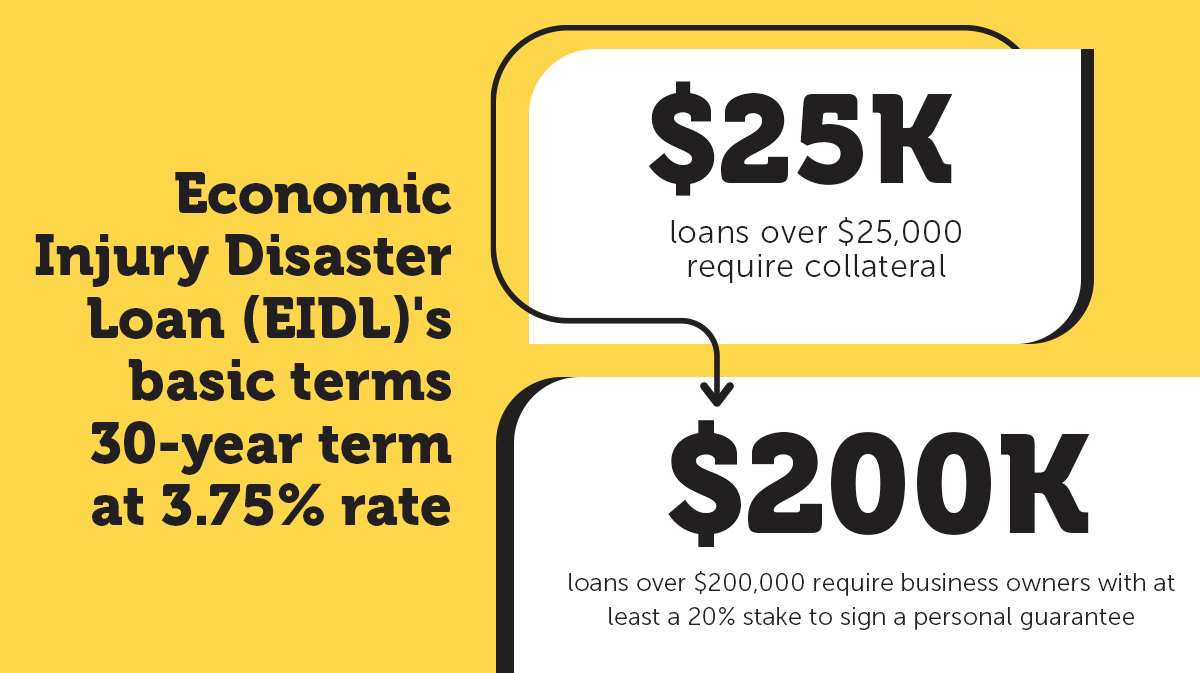
One of those programs – the Paycheck Protection Program (PPP) – was lauded for stabilizing the economy and supporting small businesses through loans designed to be forgiven. But an earlier program – Economic Injury Disaster Loans (EIDL) – must be paid back and its terms have left many feeling hamstrung. The loans came with generous repayment terms: owners could defer payments until this year, and the interest rate of 3.75% over 30 -years compares favorably to current business lending rates that are nearly double. But repayment itself is not the issue: These small business owners feel the required personal guarantees on loans over $200,000 have created a massive hurdle to growth, leaving them with few options to dig their way out of the debt without risking bankrupting both their businesses and themselves. Insiders can access the full story to understand the complications EIDL has created and what experts believe can be done to remedy a range of unique situations. |
| | | Oreo-flavored Coca-Cola? Hot fudge sparkling water? Black Rifle making energy? All signs indicate that we’re in the final days before the apocalypse, or maybe it’s just another edition of our weekly new product gallery. Here’s a sneak peek at the products we’ve rounded up this week:
⚡ Black Rifle Coffee Company is making its first foray into the $20 billion energy drink category with its Black Rifle Energy line, slated to debut in January 2025. Available in four flavors at launch – Freedom Punch, Wild Frost, Ranger Berry and Project Mango – the zero-sugar energy drinks are crafted with naturally sourced caffeine. 🍏 Plant-based beverage maker Califia announces its 2024 seasonal portfolio for fall and winter. The lineup includes four new products: Caramel Apple Almond Latte, Maple Waffle Almond Creamer, Holiday Blend Black Iced Coffee and Sugar Cookie Almond Creamer. 🥤 The Coca-Cola Company joins forces with Oreo to create Coca-Cola Oreo Zero Sugar, which is set to debut next month. Though details on the LTO are limited, Coca-Cola said the drink “features a refreshing Coca-Cola taste with flavorful, Oreo cookie-inspired hints.” Check out the full gallery on BevNET.
|
| | | While she’s always been firmly behind her namesake brand, Emma Chamberlain’s sudden elevation to co-CEO came unexpectedly yesterday. The influencer-turned entrepreneur will run her company alongside the brand’s returning former COO, Gustav Hossy. The duo will replace Christopher Gallant in the CEO spot.
🤝 Hossy joined the coffee company in 2020 after co-founding and leading eyewear company Christopher Cloos. He also co-owns European investment group Blazar Capital, which led Chamberlain Coffee’s $7 million Series A funding round last year. 🔊 “Emma and I, as CEOs, are committed to take the company to new heights while staying true to our vision of creating a coffee brand that resonates with our consumers,” Hussy said in a statement on LinkedIn. Check out the full story on BevNET for all the details about the personnel change. |
| | | According to a new report from market researcher SPINS, the acceleration of better-for-you products has expanded grains in American diets beyond the familiar wheat and rice, with the once-niche sustainable grains sector now worth $41 million.
📈 Though dollar share of the seven core sustainable grains (teff, sorghum, amaranth, millet, quinoa, farro and buckwheat) fell 4% year-over-year to $41.4 million, farro (+8%), buckwheat (+7%) and amaranth (+1%) are showing continued strength as single products. 👀 Baking mixes have become a key playing field for these grains to serve as a value add, with pancake and cookie mixes from brands like Bob’s Red Mill and Maja providing convenient indulgence via ingredients like sorghum and quinoa. 🤔 The report emphasizes that brands can succeed in the grains category by addressing four consumer mentality shifts: healthspan versus lifespan, new global notions, protecting the planet and intentional indulgence. Insiders can learn more about how sustainable grains are fueling food and beverage innovation in the full story on Nosh. |
| | | Plant-based dairy co. Elmhurst 1925 was born from evolution; recall it was originally a NYC-based dairy delivery operation until 2016. But we’d be lying if we said we saw this one coming: Elmhurst’s newest role is as plant-based meat maker, thanks to the launch of “revolutionary chicken alternative” TerraMeat, boasting 26 grams of complete protein from hemp.
🐔 Elmhurst has always touted its patented HydroRelease method, developed by food scientist Dr. Cheryl Mitchell, as the secret behind its range of plant-based milks – now it’s being used to create “chicken” from hemp protein powder. 🧑🍳 That’s right: rather than burgers or other cuts, TerraMeat is sold as powder for consumers “to craft their own fresh plant-based chick’n cutlets” by blending with water, adding a touch of oil and a spice blend, and heating it in the microwave. It’s a bit more legwork, but cuts (no pun) out the need for some of the filler ingredients, texturizing agents, whiteners and other additives found in highly processed alt-meats. 🤑 Being at the forefront of plant-based innovation has a price: the TerraMeat Plant-Based Chick’n Starter Kit – 10 pouches Plant-Based Chick’n Powder, 10 packets of Original Spice Blend, a silicone mixing cup, and a spatula – runs for $47.50 on Elmhurst’s website. Do you plan to try TerraMeat, or have you already? Let us know your thoughts at news@bevnet.com. |
|
| Your BevNET CPG Media Subscriptions You're currently subscribed to newsletters from BevNET CPG Media. To change which newsletters you receive, update your preferences - don't miss out on topics you care about. | |
| |
|
| | | |
|