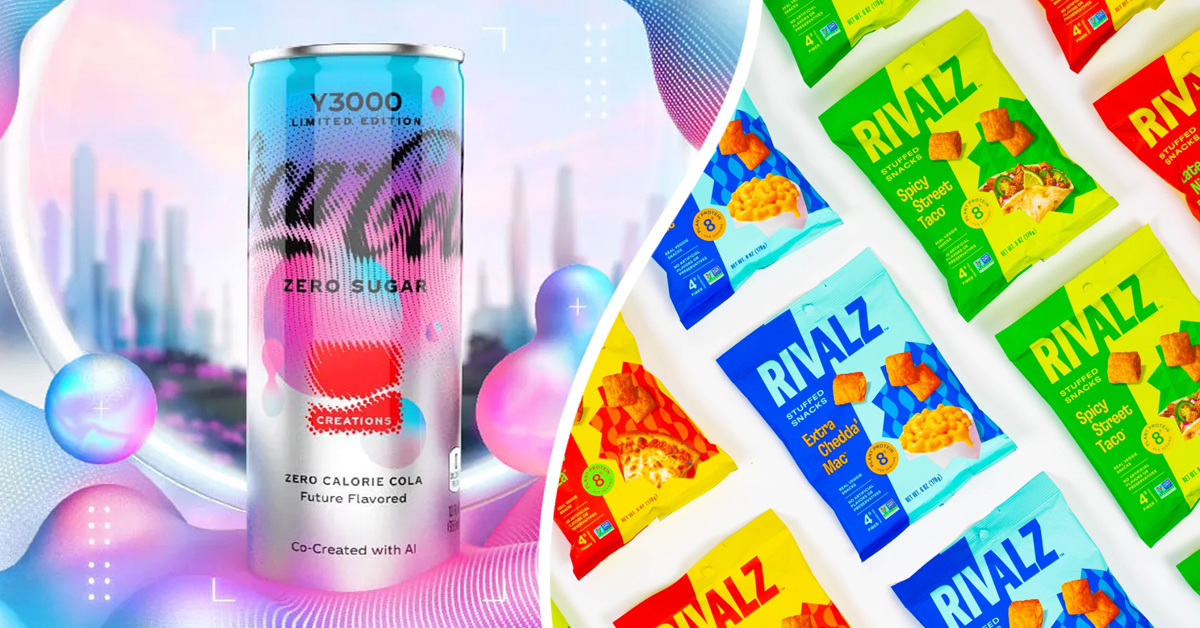
From smart toothbrushes to putting the “AI in IPA,” corporate America has been racing this year to innovate and market around the artificial intelligence boom. But nearly two years after the initial launch of ChatGPT, consumers may be becoming more wary of the technology.
In fact, most consumers are now less likely to trust or purchase a product marketed with the terms “Artificial Intelligence” or “AI” according to a new study in the Journal of Hospitality Marketing & Management that surveyed 1,000 consumers. In a statement, Mesut Cicek, a clinical assistant professor of marketing at Washington State University and the lead author of the report, said that using AI as a buzzword in advertising tends to lower emotional trust and purchase intent. “We tested the effect across eight different product and service categories, and the results were all the same: it’s a disadvantage to include those kinds of terms in the product descriptions,” Cicek said. CPG, like all sectors, has been quick to integrate AI from Coca-Cola and PepsiCo on down to startup snack brands using the tech for recipe formulation, but it’s unclear what these results may mean for food and beverage Certainly the rush to implement AI into consumer products has had some highly publicized road bumps this year, from the comically absurd, such as Google search telling users that eating rocks is healthy, to the conspiratorial, like Meta’s AI claiming the assassination attempt on former President Trump last month never happened. But what about those welcoming these machines with open arms? A July YouGov survey of 5,000 American adults found that around 37% are “AI Optimists” who are eager to embrace AI technology and products. Among them, 60% are male and only 39% female, with a strong bias towards the under 44 age demographic (63%). Of concern for brands however, could be the 34% of adults who YouGov called “AI Abstainers,” who “have limited knowledge of AI but generally feel very negatively towards it.” That group is 60% female and 38% male, and 71% are 45 years or older. The remaining 29% of respondents were considered “AI Ignorant.” The Journal study found that consumers’ AI hangups worsened with more “high risk” products like medical devices and financial services. Still, these results show that there’s a wide swath of consumers who aren’t sold on the auto-generated future and it’s worth weighing whether the buzz for AI soda is at risk of fizzing out. Catch up on recent news: AI Ingredient Startup Shiru Partners with Ajinimoto to Make Sweet Protein Portfolio. |