| | | | | Today's Top Story | | | Stop us if this sounds familiar: some of the world's biggest beer, wine and spirits conglomerates are making big commitments outside of their traditional beverage alcohol niches. It's not exactly a revelation: recognizing their ability to leverage existing distribution networks and efficienicies to diversify their business interests, large strategics have been eager to touch other areas of non-alc, particularly when they align with trends that impact their core products and consumers (i.e. alcohol alternatives). We speculated earlier this year if spiking interest in Dry January would help "adult" N/A brands make it rain with funding (OK, so far), but a spate of moves over the past month also reflect how growth in the segment is impacting other areas of strategics' overall businesses. Things like:
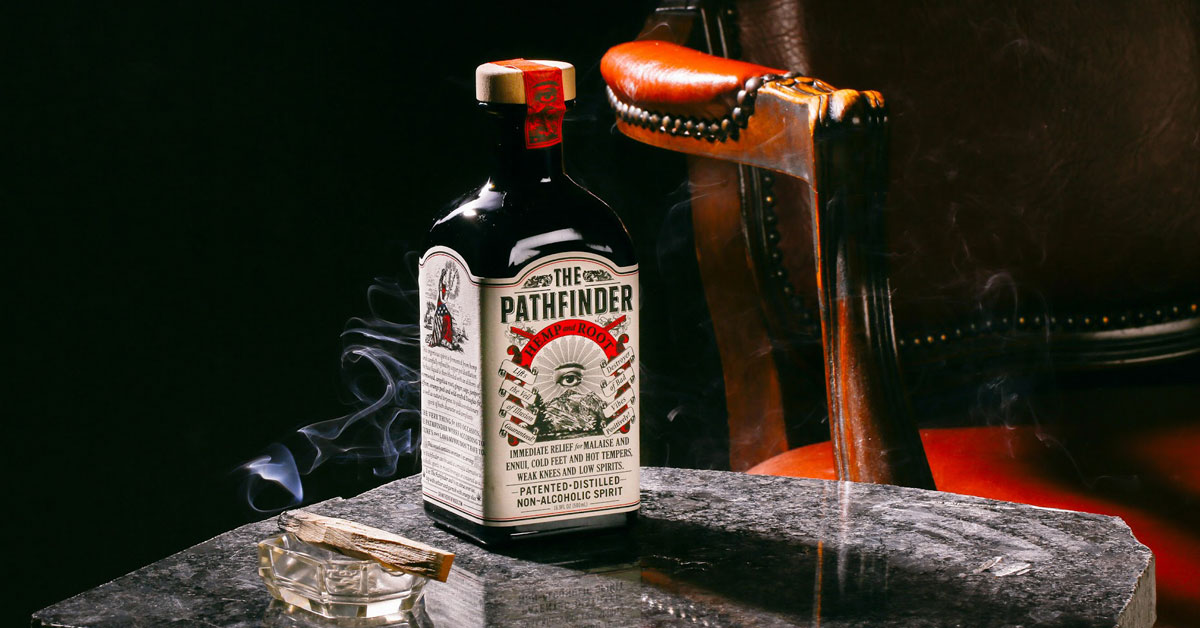
* Stoli Group's first foray into zero-proof with an investment in The Pathfinder Hemp and Root, a fermented and distilled non-alcoholic amaro.
* Constellation Brands taking a minority stake in non-alcoholic sparkling beverage TOST, which has tracked slow and steady growth while being independently financed for the last half-decade. The move comes after CB converted its shares in cannabis company Canopy Growth late last year in a bid to step back from day-to-day operations and business oversight.
* Anheuser-Busch announcing the delisting of Hiball, the functional beverage platform brand it acquired in a nine-figure deal in 2017 to be a key driver of its Beyond Beer portfolio.
* Monster Beverage group reporting strong Q1 growth for its beverage alcohol portfolio -- comprising FMB play The Beast Unleashed (6% ABV) and various brands acquired through its 2022 purchase of CANarchy — growing net sales 204.4% ($46.3 million) year-over-year, with $20.5 million coming in Q1 2023.
Some of it is as simple as it seems: with rapacious growth expected to continue in no-and-low alc drinks (+33.2% to $331 million in U.S. retail sales through October 2022) -- the trend line behind non-alc has been clearly established. But it also suggests that, during a period of tight money, strategics are still eager to seek out promising young - and relatively inexpensive - brands in next-gen zero-proof. That only question is how much will heavily regulated (cannabis) or highly competitive (energy) categories need to take a backseat.
|
| | Follow Up | | In case it wasn’t clear already, Genius Juice co-founder and CEO Alex Bayer is really not a fan of KeHE. After publicly taking the national distributor to task for a string of grievances back in March, the outspoken beverage entrepreneur offered another shot across the bow in a LinkedIn post late last week in which he hinted at a “movement” forming against the national distribution company over “their abusive business practices, responsible for putting hundreds (if not thousands) of CPG brands out of business.” He followed that with a fresh post on Monday telling his followers the “real and complete story behind what happened” between his beverage brand and KeHE, which he blames for Genius Juice losing over $10,000 and its distribution contract with Sprouts Farmers Market locations. As in his previous post, Bayer again asked for other CPG brands to rally behind him in opposing the distributor. Unable to drop Genius Juice for a second time, we’ll see how KeHE responds now.
|
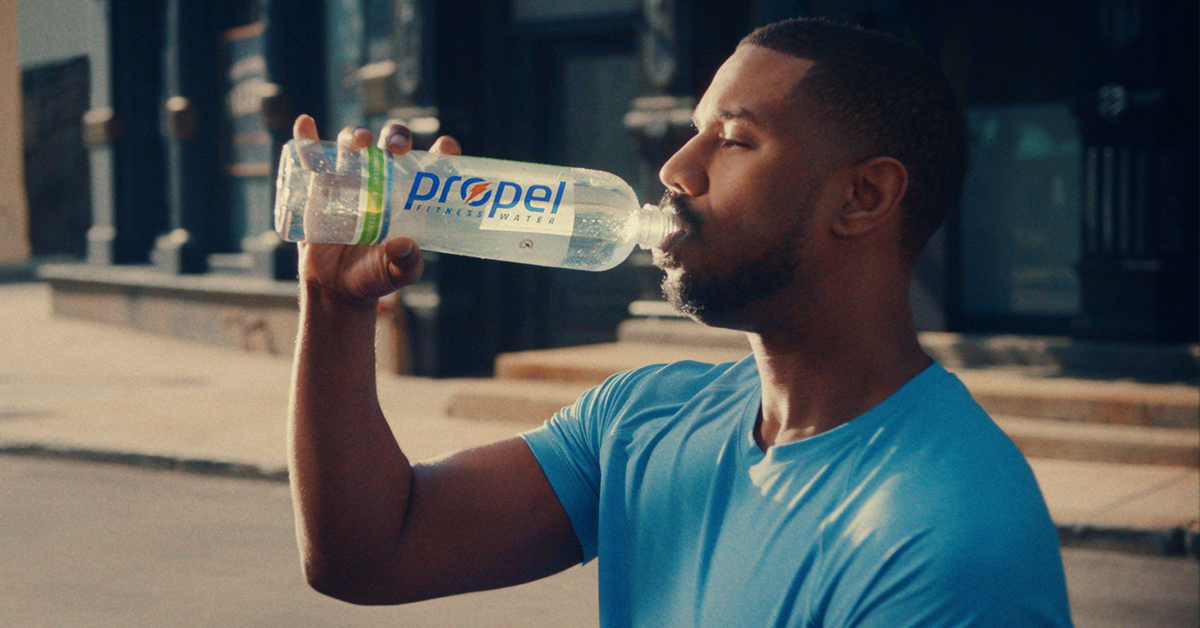
| | What You Need to Know | | | | | While social media influencers may bring their own unique skills to the table, there’s still nothing like a little Hollywood star power to drive attention, as seen in this week’s roundup of marketing news, which includes Propel enlisting Creed star Michael B. Jordan for a new TV spot, S. Pellegrino extending its relationship with actor Stanley Tucci, and Pepsi teaming up with Apple Music and the world’s most streamed artist for a special promotion.
|
| | | Maybe you can't download TikTok, but you can drown your sorrows in Montana, where legislators have enacted a new law giving spirit drinkers two extra shopping days. The state's Governor Greg Gianforte signed HB 867 on Friday, allowing the sale of distilled spirits products from the state's 93 agency liquor stores on Sundays and Mondays. The bill was originally opposed by the Montana Tavern Association opposed the bill, arguing that it would hurt bars and any packaged liquor sales they may have; the bill was eventually amended to give the taverns, bars, package stores and restaurants up to seven days of credit to pay for the liquor. Since 2002, 21 states have passed laws permitting Sunday sales of distilled spirits, bringing the total to 43 states. Alabama, Mississippi, North Carolina, South Carolina, Texas and Utah prohibit Sunday sales. Only Montana prohibits downloading TikTok .
|
| | | While still best known as a brick-and-mortar big box chain, Walmart has as of late been making significant headway in online pickup and delivery services in a bid to compete with Amazon. The retailer will be taking a deeper step into home alcohol delivery this summer with last week’s announcement that it will offer wine and beer delivery in five new states – Arizona, Georgia, Iowa, Louisiana and Ohio. The expansion brings Walmart’s total liquor delivery footprint to 2,500 stores in 23 states. The news coincides with the release of Drizly’s 2023 Consumer Trend Report, which found that 26% of surveyed consumers will spend more on alcohol for home consumption this year due to inflationary pressures and 28% said they have a home bar set up. About 22% said they anticipate drinking more at home this year than they did in 2022.
|
| | | While the likes of Monster and Red Bull may dominate sales charts, the energy drink category is deeper and more diverse than ever. Case-in-point: website Stack3d’s annual Clash of the Cans voting competition, in which readers are polled on their favorite RTD brands, narrowing a list of about 100 to a single grand champion. Now down to 16 brands, this year’s field features familiar names (Celsius, REIGN, GHOST and C4, alongside Red Bull and Monster) alongside less heralded brands with clearly engaged fanbases (Grizzly, 3D Energy, G FUEL, Bucked Up, RAZE). The range of positionings reflected in the group — from female-friendly fitness to hardcore gamer to biohacker — shows there’s clearly room for more than two brands to thrive in the Energy 2.0 era.
|
| | | Is oat milk in the Bill of Rights? That's the question sparked by a Los Angeles County teen's filing of a first amendment lawsuit against both her high school district and the USDA this month for not allowing students to choose between dairy milk and plant-based alternatives. The suit has opened up a broader conversation about the dairy industry’s stronghold on the National School Lunch program, including anachronist rules around beverages permitted to be sold in the lunch line (laws established as an economic measure after WWII, rather than in the name of nutrition) and the climate impact of dairy milk waste – enough to fill 68 Olympic swimming pools annually – due to waning demand in the face of continued "moo juice" offering requirements in schools.
|
| | | Join the discusssion with BevNET Insiders this week as our Community Call series continues today with Outlaw Ventures and again tomorrow with Greg Esslinger and Jenna Gelgand explaining tips and tricks for doing deductions better.
|
|
| Your BevNET CPG Media Subscriptions You're currently subscribed to newsletters from BevNET CPG Media. To change which newsletters you receive, update your preferences - don't miss out on topics you care about. | |
| |
|
| | | |
|