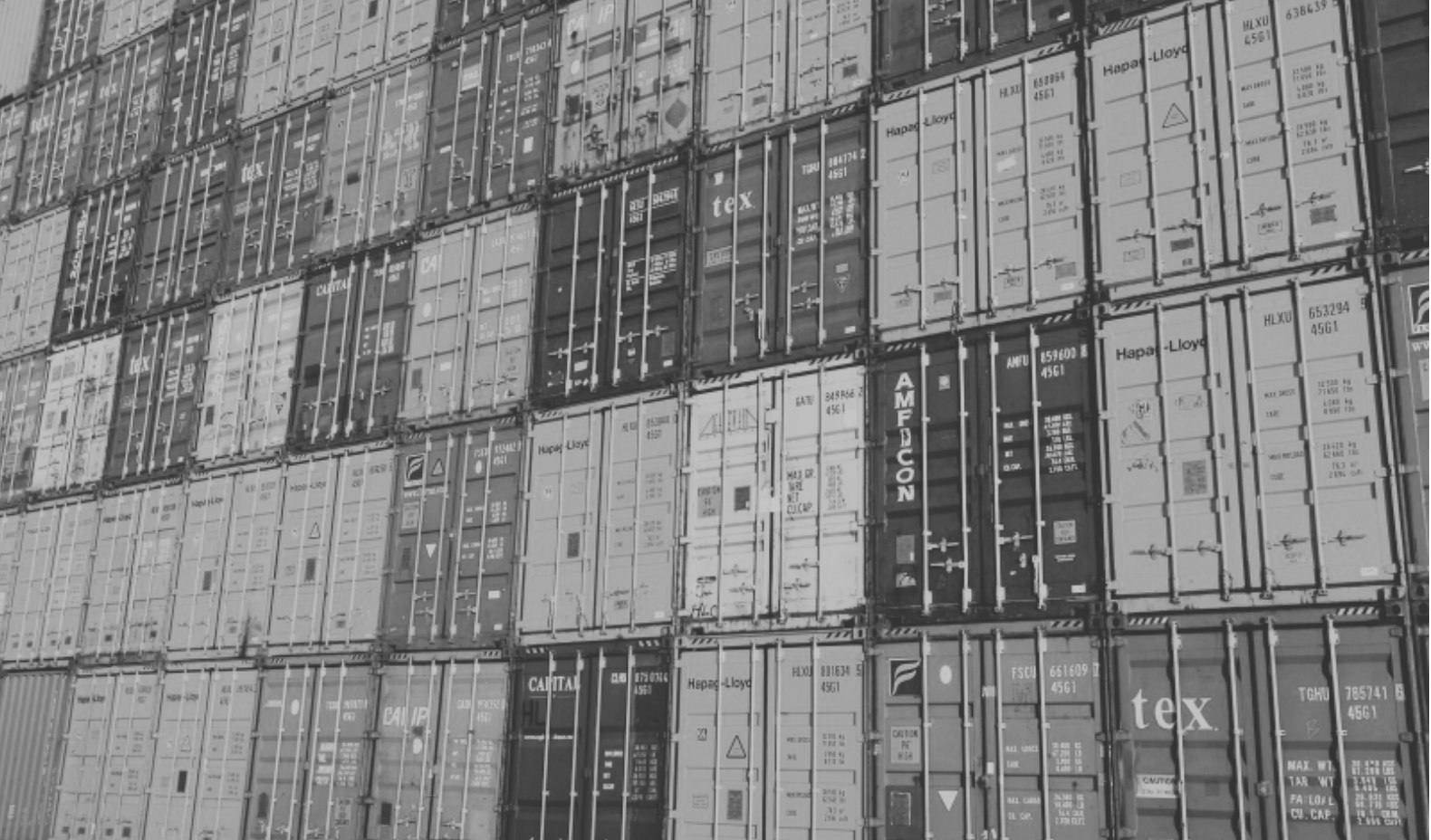
A strike by 50,000 union workers at 14 major ports across the East Coast and Gulf Coast may or may not be devastating for the U.S. food industry – depending on how long it lasts.
As of 12:01 a.m. ET this morning, commercial cargo traffic at some of the supply chain’s most critical points is officially offline, after negotiations between the International Longshoremen’s Association (ILA) and the United States Maritime Alliance (USMX) failed to produce a new contract. If you’re interested in what’s at stake for workers and management, CNBC’s Lori Ann LaRocco has done some excellent reporting and has a pretty thorough recap of the current outlook here. What does this mean for CPG? First and foremost, if you have cargo on its way through Boston, New York/New Jersey, Philadelphia, Wilmington, N.C., Baltimore, Md., Norfolk, Va., Charleston, SC., Savannah, Ga., Florida (Jacksonville, Tampa or Miami), New Orleans, Mobile, Ala., and/or Houston, Texas – be prepared for delays. For the immediate short-term, some contingency plans are already in effect. Logistics experts cited on CNBC noted that East Coast-bound cargo has been moved to the West Coast in anticipation of collective labor action; for her part, New York Governor Kathy Hochul issued a statement vouching her state’s own preparations for medical suppliers and grocery stores (translation to consumers: there’s no need to stockpile milk and grilled cheese). Some traffic will be rerouted to rail and air freight – expect those rates to tick up in response. The White House may also weigh in, though President Biden has promised he won’t use federal law to force union members back to work. Could the loss of around $5 billion a day, roughly 6% of the national economy, according to a JPMorgan Chase analysis cited in the New York Times, possibly change his mind? Elsewhere in D.C., the Department of Transportation put out a statement calling for “all parties to… negotiate in good faith—fairly and quickly.” Of course, if negotiations remain stalled, that’s a different story. Adam Lines, economist at Moody’s Analytics, told CNBC that food, along with cars, will be the most impacted industries, and even a slight boost in inflation could spook the Fed to tread carefully regarding interest rates. Walmart is particularly exposed due to its reliance on import traffic at East Coast and Gulf ports, with Amazon, Folgers, Heineken and Pepsi also on the list. As imported perishable foods and produce risk spoilage, the grocery price for fresh food may climb; at the same time, U.S. farmers will have to adjust their strategy if exports are restricted for an extended period. On a macro level, it’s another gut punch to the East Coast and Gulf supply chain, already battered this year from the Francis Scott Key Bridge disaster, the CrowdStrike outage and Hurricane Helene just last week. More profoundly, it sets up union workers versus automation as the defining fight for the future of the U.S. shipping industry; talks between ILM and USMX broke off back in June due to a dispute on that very topic. With some of the busiest U.S. ports ranked among the least efficient in the world, maybe a little automation is a good thing? Even once an agreement is reached, it will take some time for port operators to bring terminals back online, similar to resuming after a natural disaster. Then they’ll have to start directing traffic. In the meantime, there’s not much the ports can do besides ask for “patience and understanding” from shippers. Are you affected by the port closures? We want to hear from you. Contact us at news@bevnet.com. |