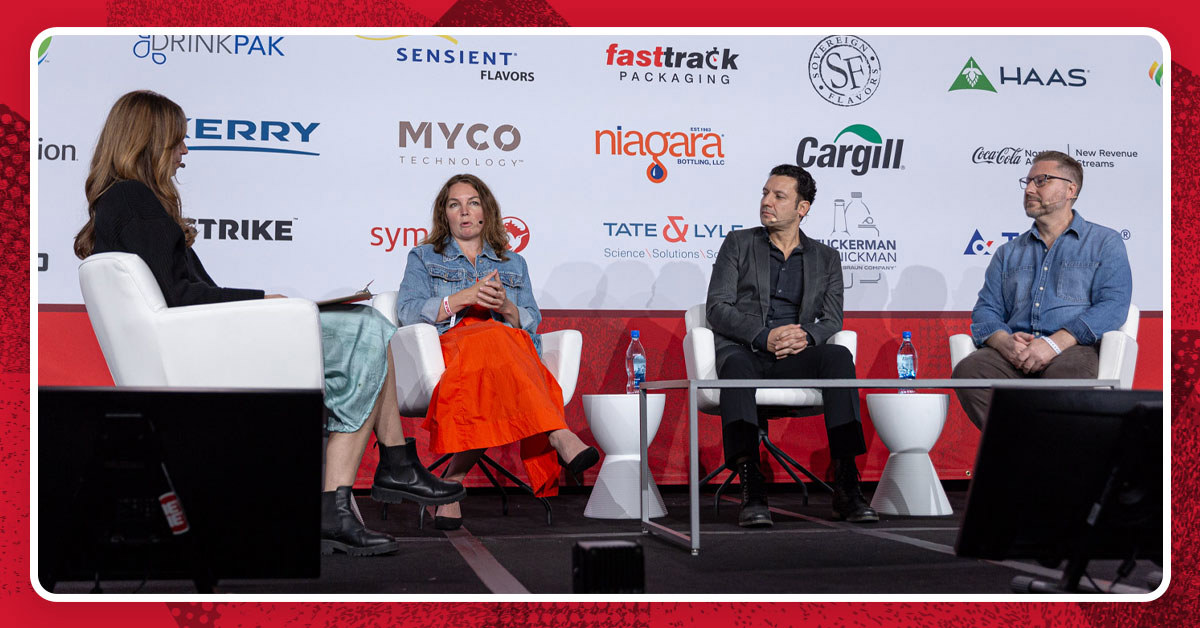
While at BevNET Live this week we learned that the U.S. has dipped to an all-time low in the World Happiness Report and dropped out of the top 20 happiest countries. But the good news is we continue to drink our feelings, it just looks a little different than it has in the past. Here are some top takeaways from my sessions (and others) this week: 🏆95% of Bev-Alc Brands Fail, Here’s How To Be The 5% Three experts shared what it takes to be in the 5% of RTD businesses that make it. Among the glaring mistakes according to Gustavo Aguirre of InvestBev: Founders not understanding what their product is solving for, not delivering on their promise, lack of understanding the competition, an ineffective go-to market strategy, and not having the capabilities to execute. Maria Pearman, who literally wrote the books on distillery and brewery finance, said companies also need to be prepared to put a shelf price on their product that will yield a reasonable margin and warned startups not to sell equity in their companies too soon. Consultant Dale LaFlam reminded companies to prioritize their own backyard: Staying small means not spreading a brand into too many accounts, putting velocity over volume. Read the full recap. 🎯‘Give The People What They Want’ So you’ve made it through the startup phase, how do you scale and compete with the million other RTDs? Incrementality. “You need to know that you’re bringing in an incremental consumer because why would they take a chance on you if you look and smell like everybody else or a product that’s already been washed out of the set at some point,” said Cassie Finley, VP of customer development at Southern Glazer’s Wine and Spirits. For Dirty Shirley, the RTD earned a social media-built demand from Gen Z, so scaling was about “giving the people what they want.” Forrest Dein, co-founder of JuneShine, took a different approach and advised brands to raise money and go wide right off the bat if you’re the first in a category, but echoed other panelists to own their own backyard first if entering a crowded space. 🥺Can We Quench Our Loneliness? As I mentioned, we’re not so happy in the U.S., and pets aren’t enough: brands are embracing becoming emotional support beverages. What people drink is becoming more about how we’re feeling versus what we should be drinking. The old occasions of coffee in the morning or wine in the evening are out and the new options are endless: hence the three-drink beverage trifecta. “Thirst has become social signaling,” said Brandy Rand of ThirstWell. Consumers are thinking about flavor, function, form and feels– versus categories. She asked: Are we trying to quench our loneliness? We’ll have the full recaps soon, in the meantime insiders can watch the videos. |