The debate over how to build consumer awareness for upcycled brands (and, in turn, lift sales and drive widespread adoption) continues to simmer. The Upcycled Food Association (UFA) remains the most vocal advocate for reducing food waste. But, brands remain apprehensive about tying themselves to the trend outright. First, it’s a cost issue: - Labeling often means shelling out for the Upcycled Certification (acquired by Where Food Comes From in January 2024).
- Third-party verification costs $1,500 upfront, with an annual $1,250 fee to maintain the seal.
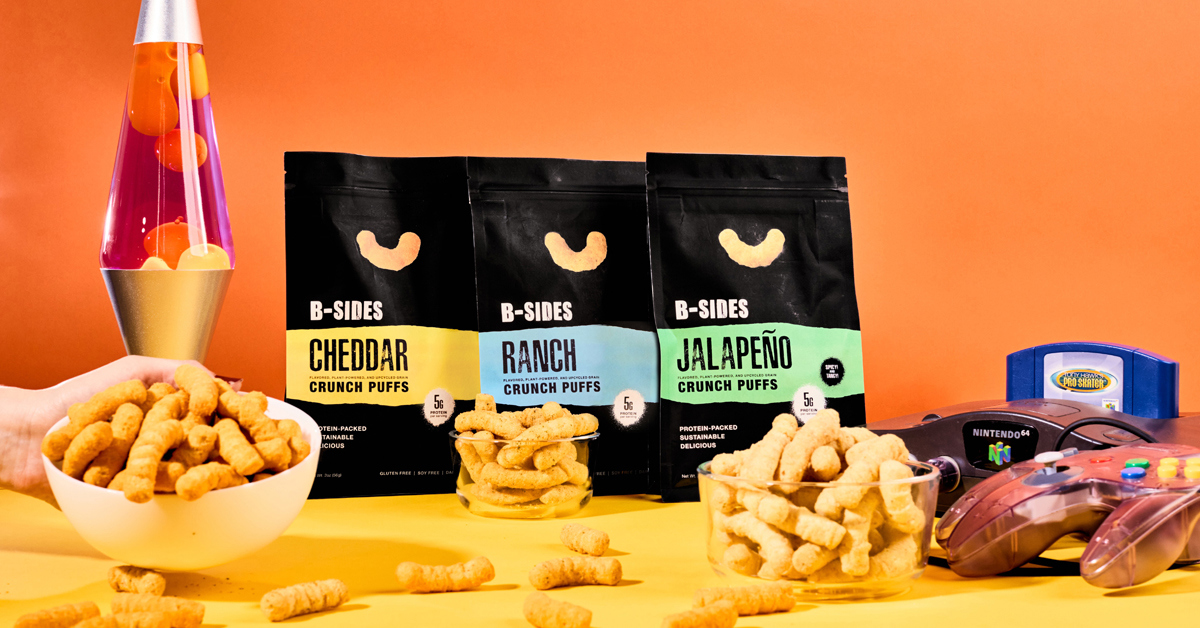
While the certification calls out to sustainability-minded consumers and retail buyers. The question remains: Are enough people listening? The answer is “yes,” according to the UFA, with upcycled product dollar sales rising in recent years. The global upcycled food market is valued at about $54.3 billion and projected to grow at a CAGR of 5.6% to $74.8 billion by 2029, per a recent report from BCC Research. Strategies are changing: Some early upcycled adopters have moved out of the branded space altogether and realigned their business model to ingredient provider roles instead. Others have moved away from sustainability-related marketing positions in favor of other value propositions. That latter approach has guided recently launched B-Sides, which introduced upcycled oat and corn puffs in January. The New York-based brand was developed around upcycling’s core tenets, but founder and CEO Yousuf Ahmed said he doesn’t want B-Sides to “rubber-stamp or virtue signal.” His goal is to “use upcycling as a tool in the toolkit rather than hanging my hat on it.” Ahmed has decided to forgo UCC and downplay the upcycling on the brand’s packaging. Similar to Trashy (formerly Pulp Pantry), B-Sides is banking on health over sustainability to spark consumer interest. Insiders can learn more about B-Sides in the full story on Nosh. |