| | | | | In this issue of Daily Briefing | - 🆕 This Week’s Hot New Sips
- 🔖 Our 2025 Content Calendar
- ❌ Forge and Foundry Shutters
- ⚖️ Ark., Cites Va., Hemp Rule
- 🛒 Kroger v. Colo., FTC
- 🚚 Rainforest Adds East Coast Distribution Muscle
- ⚠️ Is A Warning On Booze Misguided?
|
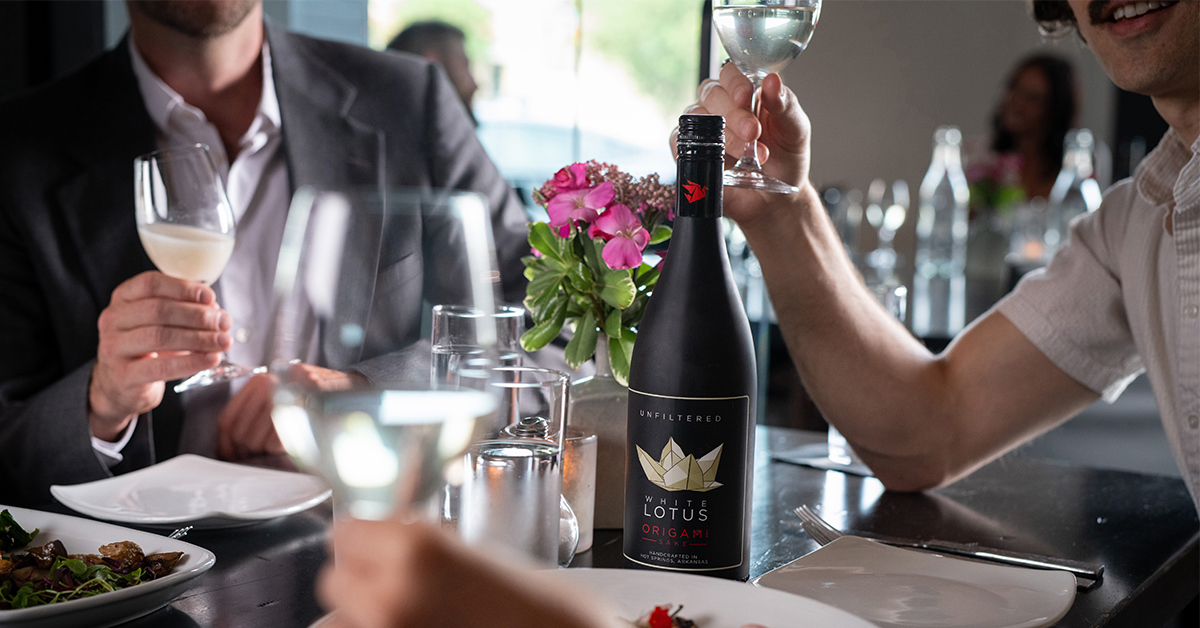
| 📰 Today's Top Story | | | Historically in the U.S., sake has simply been a carafe of hot wine served at sushi restaurants, but American producers are working to tap popular beverage-alcohol formats to reintroduce the traditional rice wine as interest in both lower-ABV spirits and Japanese culture rises. These innovations are coming from a small base: sake represents only about 0.2% of overall alcoholic beverage sales in the U.S., according to SipSource data, provided by 3 Tier Beverages to the Sake Brewers Association of North America. Yet, there’s been a relative groundswell of homegrown brands in recent years. Of the roughly 25 domestic sake producers operating in the U.S., over a dozen were established in the last 10 years. Nearly half of the estimated $400 million total market value is coming from American sake brewers. How are they doing it? The sake success strategy has, like many others, taken an RTD approach to draw in new drinkers. SummerFall entered the market as drinking trends moved toward convenience and on-the-go – a wave that canned cocktails and hard seltzer across categories have been riding since its peak in the early-2020s. The brand, launched by Takuma Inagawa, the founder of France’s top-selling sake, Wakaze, is targeting both off-premise locations and fast-casual restaurants with a sippable story centered on California-grown rice wine. Arkansas-based Origami Sake has a similar approach, using its location in the heart of American rice country to create a sense of place for its craft product. The brand has built the largest domestically-owned sake brewery complete with its own rice polishing facility and sources the grain from a local family farm. Along with its own RTD cans, Origami is leaning into another trend among U.S. drinkers: Adult non-alcoholic (ANA) beverages. Coming just in time for Dry January, Origami released ZERO, the first American-made non-alc sake, as an “introductory product” or “door opener to craft sake,” co-founder and president Matt Bell said. BevNET Insiders can learn more about Bell’s approach to the burgeoning category in the full story here. |
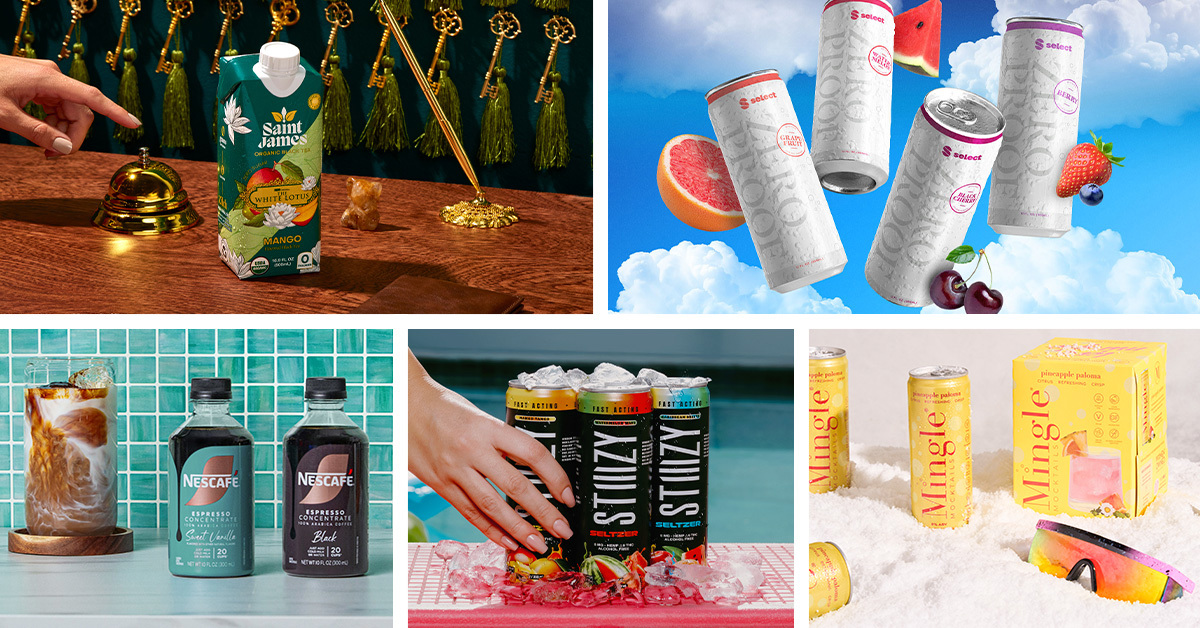
| | 👉🏼 What You Need to Know 👈🏼 | | | 🫖 Saint James Tea has joined forces with HBO’s hit series “The White Lotus” to launch a limited edition Mango Organic Black Tea flavor inspired by the show. The zero-sugar, zero-calorie beverage is available on Amazon and at retailers nationwide, including Target, Hannaford and Albertsons. 💪 Recognizing a growing consumer interest in higher protein content, plant-based shake producer Koia unveiled its latest product line – Koia Elite – in Vanilla and Chocolate flavors with each 12 oz. bottle containing 32 grams of protein. 🇺🇲 HOIST has teamed up with Folds of Honor, a non-profit organization providing education scholarships to children and spouses of America’s fallen or disabled military service members, to create its newest flavor, Five Star Punch. A portion of the proceeds from each bottle sold will go to Folds of Honor. Keep an eye out for a full roundup of this week’s new products on BevNET later today. |
| | | | | A craft distillery in Minnesota has closed, marking what may be a start to another rough year for craft spirits. 🍸 Stillwater-based Forge and Foundry Distillery will close its cocktail room and distillery on Jan 18, the company announced via social media. 🤔 The producer of vodka, gin, rum, and liqueurs is shutting down after four and a half years in operation; the company did not give an explanation for the decision. The distillery was opened by husband and wife team Andrew Mosiman and Christie Wanderer. 📉 Craft spirits faced their first decline in recent history last year, and since January 2023, at least 49 craft distilleries have closed as of September 2024, the American Craft Spirits Association reported. Go Deeper: Survival of the Craftiest: How Distillers Are Battling Distribution and Regulation Roadblocks |
| | | Well that was fast. If you’ll remember yesterday’s newsletter, we took a look at a Fourth Circuit judge’s ruling that the 2018 Farm Bill did not preempt Virginia’s “Total THC” law, allowing states to issue their own regulations on the sale of intoxicating hemp products. 📝 We predicted it would serve as a significant legal precedent, and it turns out that was a safe bet as Arkansas is already citing the ruling in a case around its own hemp rules. 💡 The state is currently embroiled in a legal dispute with Bio Gen, LLC, and other hemp manufacturers, challenging the state’s ban on “hemp-derived intoxicants.” Arkansas has cited the Fourth Circuit opinion in a letter to the court this week as further proof the Farm Bill does not supersede its ability to regulate products. 🪴 No ruling has been issued in the Arkansas case, but it’s crystal clear that the Virginia decision will be affecting the path forward for regulators looking at hemp going forward. |
| | | Now that the deal is officially dead, Kroger dropped its constitutional challenge of the Federal Trade Commission’s in-house lawsuit on Thursday after the agency voluntarily dismissed its own administrative case that intended to block the proposed $24.6 billion megamerger. ❌ The grocers have also requested that a Denver, Colo., district judge dismiss a lawsuit brought by Colorado attorney general Philip J. Weiser claiming the deal violated the state’s anti-trust laws. 🗣️ "A decision by this court on whether to enjoin the Kroger and Albertsons merger would have absolutely 'no practical effect' on any existing controversy," the motion reads. ☑️ However, consumers in California are still hanging on to the idea of injunctive relief, arguing that a judge should not toss their two cases against the deal because their antitrust claims prevailed and they should be entitled to attorney fees. They also argue that due to the outcome, a judgement should be entered in favor of the plaintiffs’ claims. The two grocers are now tied up in legal battles with one another. Listen to this episode of CPG Week to catch up on the grocers’ break up and how it broke down the deal. |
| | | Rainforest Distribution has kicked off 2025 with a new addition to its network. The company acquired Perfect 10 Distribution, LLC, an Atlanta-based food and beverage distributor that further extends Rainforest’s presence down the East Coast. - P10 began as a means to distribute founders Nick and Steven Carse’s popsicle startup King of Pops products.
- The company now services a wider group of customers including Saint James Tea, Rainbow Provisions and Brooklyn Biltong, among others, according to its website.
|
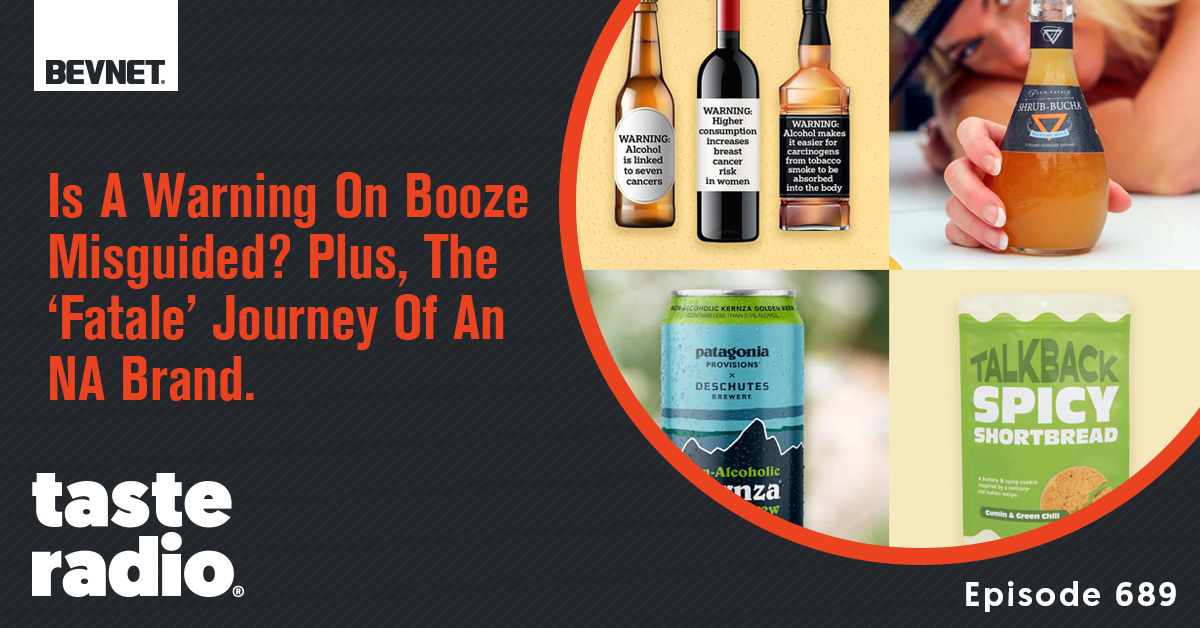
| | 🎙️ Now Streaming: Taste Radio | | | Is booze so bad that it should come with a warning label? The U.S. Surgeon General thinks so and has advised Congress to act. What, if any, impact would potential legislation have? The hosts discuss. This episode also features an interview with Julie Cielo, the founder of pioneering non-alcoholic cocktail brand Ferm Fatale, who talks about the successes, missteps and eventual closure of her company. Listen to the episode now. |
|
| Your BevNET CPG Media Subscriptions You're currently subscribed to newsletters from BevNET CPG Media. To change which newsletters you receive, update your preferences - don't miss out on topics you care about. | |
| |
|
| | | |
|