| | | | | | In today’s issue | 🗣️ Dietary Guidelines Debate Spreads • 🏛️ PA Passes Canned Cocktail Legislation • 📉 NIQ: Bev-Alc Sales Slip Through End of June • 🔮 On Tap: Brewbound Pod w/ BA CEO Bob Pease • 🌬️ ICYMI: Change in the Air at the BA • 🍋 Deschutes Anytime Lemonade Shandy |
|  | | | Sponsored message from John I. Haas | LUPOMAX is a highly consistent, concentrated lupulin pellet that delivers optimized, true-to-type hop flavor. With LUPOMAX you’ll use less hops to make more beer, and save on shipping, storage, and brewery handling—plus have less waste. Available in 15+ varieties.
Learn More
|
| Today's Top Story | | | Recent research about the health impacts of alcohol has been circulating in mainstream media, amid a broader conversation about consumption as the Dietary Guidelines Advisory Committee (DGAC) works toward publishing its 2025-2030 guidelines.
The DGAC – a collaborative effort from the U.S. departments of Agriculture (USDA) and Health and Human Services (HHS) – meets every five years to revise the guidelines. The most recent guidelines were published in 2020 and, after some debate, maintained previous recommendations of two drinks per day for men and one for women. In recent weeks, bev-alcl trade groups have circled their wagons in opposition to the DGAC’s diversion from its usual process concerning alcohol consumption guidelines. This year, alcohol has been separated from the DGAC’s work and is being examined by two separate reviews, which the trade groups called “wholly unprecedented” in a letter last month to HHS secretary Xavier Becerra and USDA secretary Tom Vilsack. The split was discussed during the DGAC’s fifth meeting in May in an update from Eve Stoody, director of nutrition guidance and analysis division of the USDA’s Center for Nutrition Policy and Promotion. Stoody said of the new approach to examining alcohol: “That topic is complex, and there are unique considerations related to other aspects of the diet, and we really felt like we were at a time where that topic deserves a comprehensive review with a number of experts.” The two separate studies are “complementary activities” and are “not duplicative,” Stoody said, acknowledging that there would be “a little bit of discussion” around the topic. The first study is conducted by the National Academies of Sciences, Engineering and Medicine (NASEM) and will “review, evaluate and report on the current scientific evidence on the relationship between alcohol consumption” and several health outcomes, according to slides Stoody presented. The second is the Alcohol Intake and Health Study undertaken by the Interagency Coordinating Committee on the Prevention of Underage Drinking (ICCPUD), which aims “to generate evidence on weekly alcohol consumption thresholds to minimize health risks.” In their letter, the bev-alc trade organizations – including the Beer Institute (BI), Brewers Association (BA) and the National Beer Wholesalers Association (NBWA) – noted “there is a long history of NASEM panels being asked to produce inputs for the DGAs [Dietary Guidelines for Americans],” but objected to the second study, which “nothing was known about” until “late January 2024.” ICCPUD is accepting comments from the public regarding its Alcohol Intake and Health Study through August 2. The organization specifically named “alcohol beverage industry trade associations and companies” as a group it would like to hear from, in addition to state and local governments, researchers, public health workers, and addiction prevention groups, among others. Comments can be emailed or mailed, a departure from the publicly visible online portal normally used for federal government comment periods. Stakeholders are slated to meet August 7, according to the study’s website, which features a timeline that reveals ICCPUD committed to the study in April 2022. For refreshers on past Brewbound coverage of this issue, reread Brewbound reporter Zoe Licata’s coverage of a conversation about the process between trade group leaders at the NBWA’s legislative conference this spring, and revisit BevNET spirits editor Ferron Salniker’s column about temperance-leaning organizations’ advocacy. Insiders can read more on recent discussions and recent consumer-facing reports. |
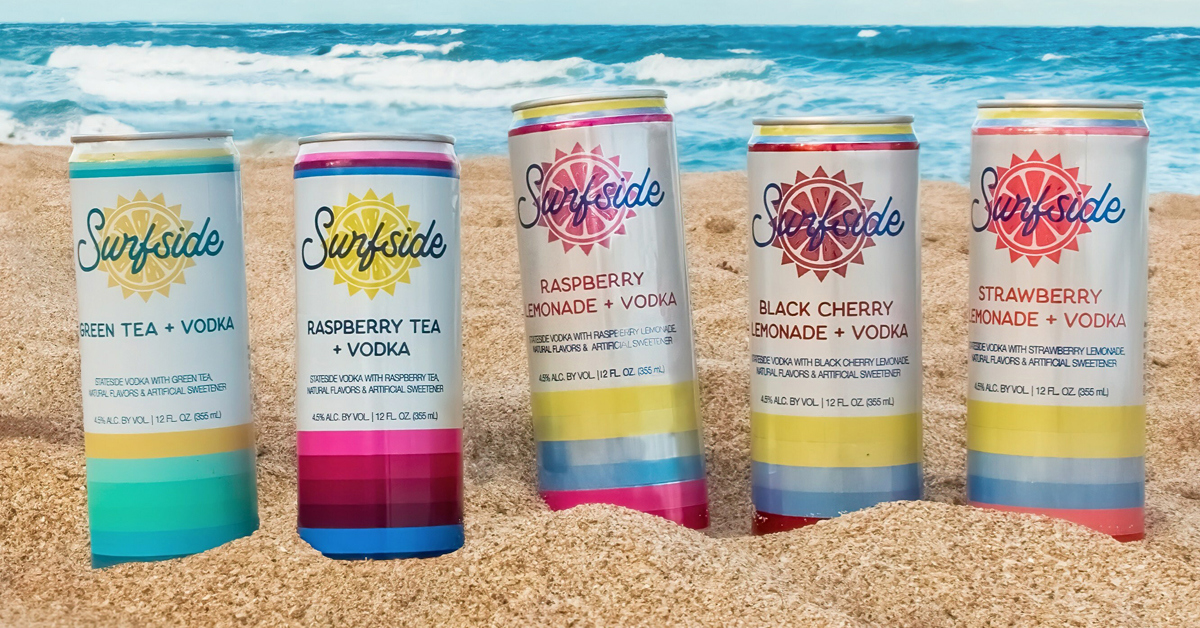
| | From the Wire | | | Pennsylvania shoppers will soon now be able to grab their favorite canned cocktail from previously beer- and wine-only outlets.
Last night, the Pennsylvania Senate approved Senate Bill 688, which allows spirit-based RTDs under 12.5% ABV to be sold from certain retail outlets, such as restaurants and hotels, that already sell beer and wine products with the same or lower alcohol contents. The bill now heads to Gov. Josh Shapiro for signature. With RTDs leading spirits category growth, the bill is the latest in a series of state-by-state pushes from spirits advocacy groups to reduce the tax rates and broaden availability for spirits-based RTDs. |
| | Data Dive | | | The latest data set from NIQ showed a modest slowdown in sales growth for total bev-alc in the two-week period before June 29, according to analysis from Goldman Sachs Equity Research. NIQ uses US x AOC (extended All Outlet Combined) including convenience stores to summarize multi-channel markets and aggregate all national cross-outlet market data, and includes certain retailers (such as Whole Foods Market) that other providers do not. Here’s an overview of the latest: - Sales dipped -1.9% in the two-week period, versus -0.7% in the four-week period and -0.9% in the 12-weeks;
- Volume declines intensified to -3.9% in the two-week period, compared to -2.4% in the four-week period and -3% in the 12-weeks;
- Pricing growth was up by +2.1% in the two-week period, popping up from +1.8% in the four weeks, compared to +2.2% in the 12-weeks;
- From a category standpoint, volume deteriorated across the board for wine, spirits, FMB, hard seltzer cider and beer.
Insiders can go deeper into the numbers, including brand level data.
|
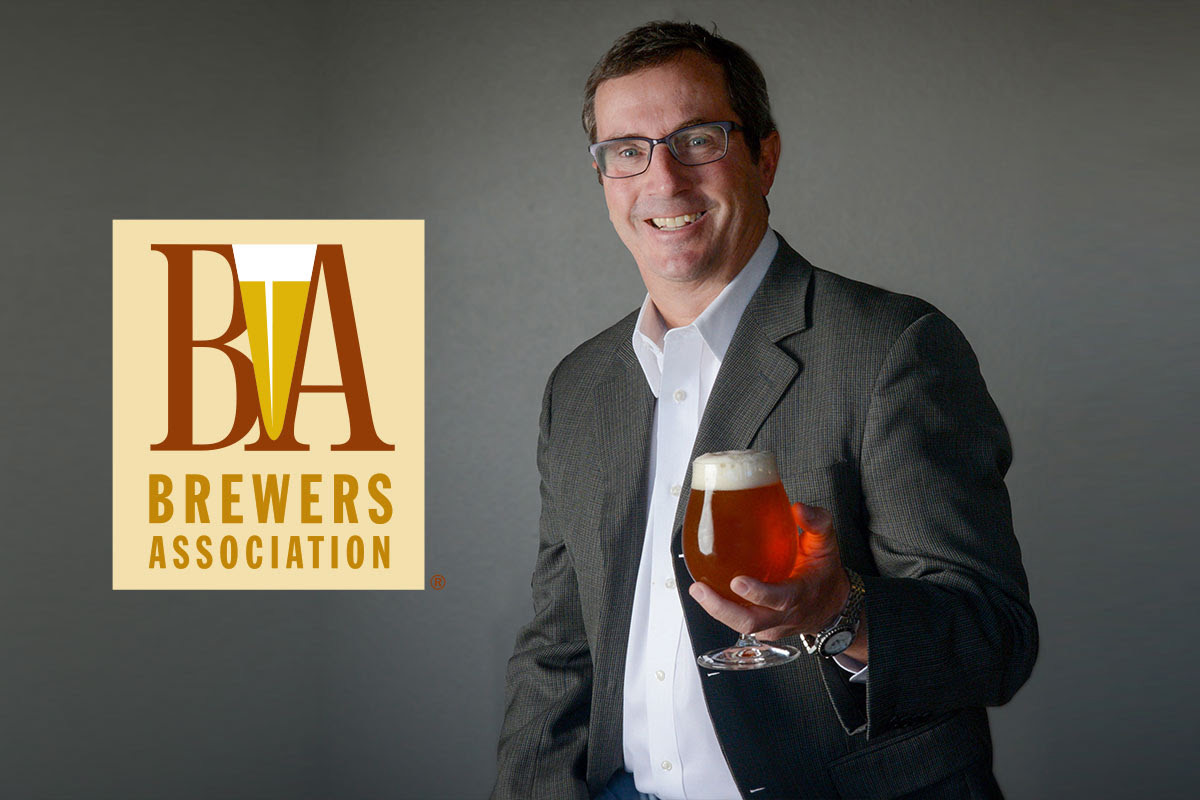
| | On Tap This Week | | | Outgoing Brewers Association president and CEO Bob Pease will join the Brewbound Podcast to discuss his decision to retire in 2025, why now was the right time for him to hand over the post and what the next CEO needs to know about the position.
Brewbound will also be tuning into McDermott Will & Emery’s Mid-Year Review of alcohol regulations on Wednesday morning. We’ll report back if there are notes coming out of the webinar. |
| | ICYMI | | | It was a Brewers Association-heavy (BA) news week, starting with the announcement that Bob Pease, the organization’s president and CEO, is planning to retire in early 2025.
Pease has spent more than 32 years at the BA, and has served as CEO since 2014. He first joined the trade group in 1993 as a customer service manager, and later held roles including operations director, vice president and COO. The BA’s board of directors has retained Kittleman & Associates, a search firm dedicated to executive searches for nonprofit organizations, to lead the recruitment of a new president and CEO. Once his successor is in place, Pease will retire. Brewbound editor Justin Kendall delved into what could be next for the BA, which is also saying farewell to longtime SVP of meetings and events Nancy Johnson. Their departures signal an opportunity to replace the organization’s professional leadership and alter its direction. Under Pease’s direction, the BA helped members professionalize and mature into legitimate businesses that generated millions in economic development for their home towns and states. He helped usher in permanent excise tax relief and expanded the BA’s presence in Washington, D.C. You’ll hear more from him later this week, when he joins the Brewbound Podcast. There are now nearly 10,000 craft breweries in operation across the U.S., and last year they accounted for 13% of the beer industry’s volume and 24% of dollars. However, craft never reached the lofty goal of a 20% share of volume by 2020. In fact, last year, craft recorded its first volume decline in a non-COVID year. This year, the number of craft drinkers who are drinking less craft beer than they were last year outnumbered those who are drinking more for the first time. The latter stat was shared by BA chief economist and VP of strategy Bart Watson and staff economist Matt Gacioch in their webinar on the findings of the BA’s annual Harris Poll. Some craft drinkers may be drinking less, but there are now more of them than in previous surveys. Nearly half (48%) of Harris Poll respondents drink craft beer “several times a year or more often,” and 9.1% of respondents in a 2022-2023 Scarborough USA survey said they have drunk craft beer in the last 30 days. Watson said: “Even as craft growth has stalled in recent years, the percentage of people who say they’re purchasing craft in the last 30 days, or drinking craft at least several times a year, is still going up. So that slowdown isn’t necessarily driven by the size of the total pie. It’s going to be driven by other things.” Brewbound Insiders can read highlights from the jam-packed webinar, which included craft beer consumers’ drinking habits, demographics and purchase intentions following brewery visits. |
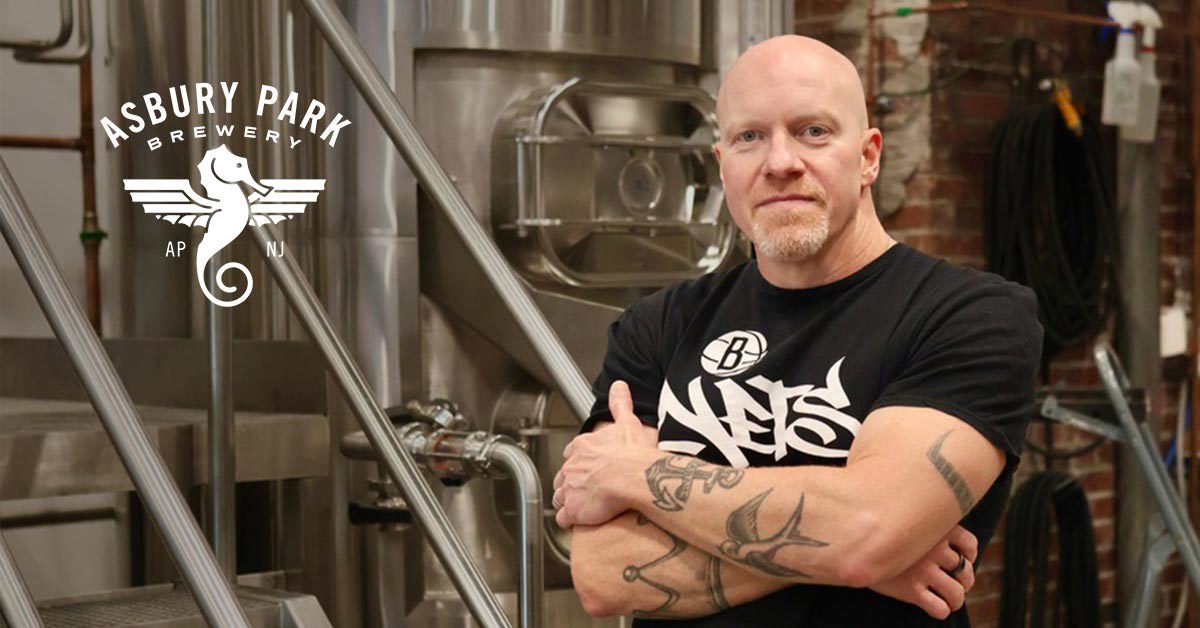
| | | | | On the Brewbound Podcast, Justin, Jess and Zoe compared July 4 notes, which included how much fireworks frighten toddlers and what Boston-area under-30 drinkers think of a host of FMBs and RTDs. To close out the post-holiday week, we got a round with Asbury Park Brewery founder Bob McLynn, who dished on the similarities between the music and craft beer industries, traveling Germany with his band, and rebooting the brewery’s taproom after a nearly four-year hiatus. Need a recap with more GIFs and jokes? We have you covered with Sean McNulty’s Insider’s Week in Beer newsletter. |
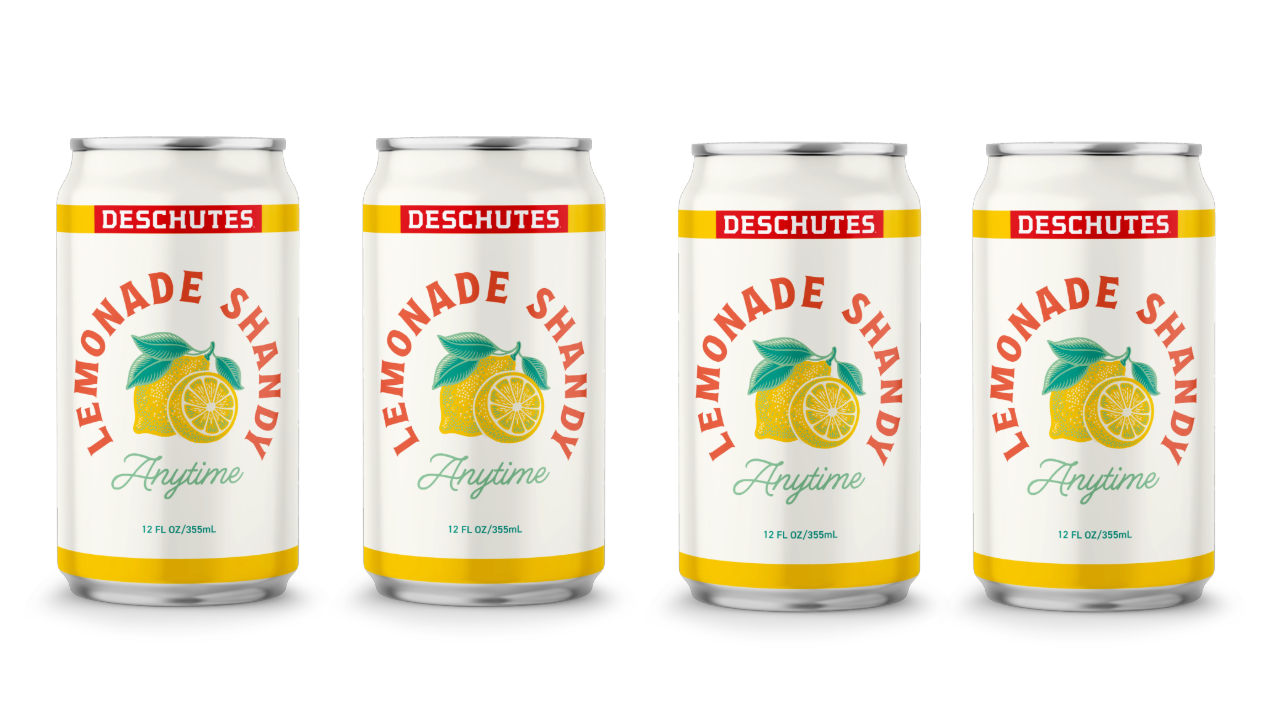
| | New on Shelves | | | Deschutes Brewery has released Anytime Lemonade Shandy (5% ABV) as a summer seasonal release.
Anytime is available in Deschutes’ core western markets in 6-pack bottles and 12-pack cans. Desuchtes’ entry into the shandy/radler style comes as the style’s off-premise dollar sales are down -7.11%, to nearly $17.4 million, in NIQ-tracked channels for the 52-week period ending June 15. However, shandy/radler scan data is a bit tricky, due to the biggest brand within the style, Molson Coors-owned Leinenkugel’s Summer Shandy, being lumped in with seasonals with $83.5 million in off-premise dollar sales over the last 52 weeks. Leinenkugel’s [resident Tony Bugher and John Leinenkugel discussed making Summer Shandy a year-round offering across the country on a recent edition of the Brewbound Podcast. In Circana-tracked channels, Leinenkugel’s Summer Shandy is the eighth-largest craft brand with dollar sales of nearly $33 million (-14.7%) year-to-date through June 16 in Circana-tracked off-premise retailers. |
| | Save the Date | | | The Brewbound Live business conference returns December 11 and 12 in Marina del Rey, California. Brewbound Live will feature beverage-alcohol industry leaders taking part in business-focused conversations, data presentations, networking and much more across two days at the Marina del Rey Marriott. Speakers for this year’s conference include: - Russian River co-owner Natalie Cilurzo;
- Deschutes Brewery CEO Peter Skrbek;
- National Beer Wholesalers Association chief economist and VP of analytics Lester Jones;
- Draftline Technologies founder and president Jennifer Hauke
- Gulf Distributing senior VP of legal and government affairs Rebecca Maisel
- 3 Tier Beverages consultant Mary Mills
- NIQ director of thought leadership for bev-alc Kaleigh Theriault
- Bump Williams Consulting VP of business development BK Krueger
- Full Circle Brewing owner Arthur Moye.
Additional speakers will be announced in the coming weeks. Register for Brewbound Live 2024. |
| | Now Hiring | | | | | |
| Your BevNET CPG Media Subscriptions You're currently subscribed to newsletters from BevNET CPG Media. To change which newsletters you receive, update your preferences - don't miss out on topics you care about. | |
| |
|
| | | |
|