| | | | | In this issue of Daily Briefing | - 🧑🏻⚖️ Is 5-Hour a Monopoly?
- 🐮 Lifeway Explains Itself
- 💸 NA Brand Lands $250k From N.Y.
- 🚚 Open Water Splashes Into Mariano’s
- 💧 ‘Unapologetically Honest’ Way This Brand Sets Itself Apart
|
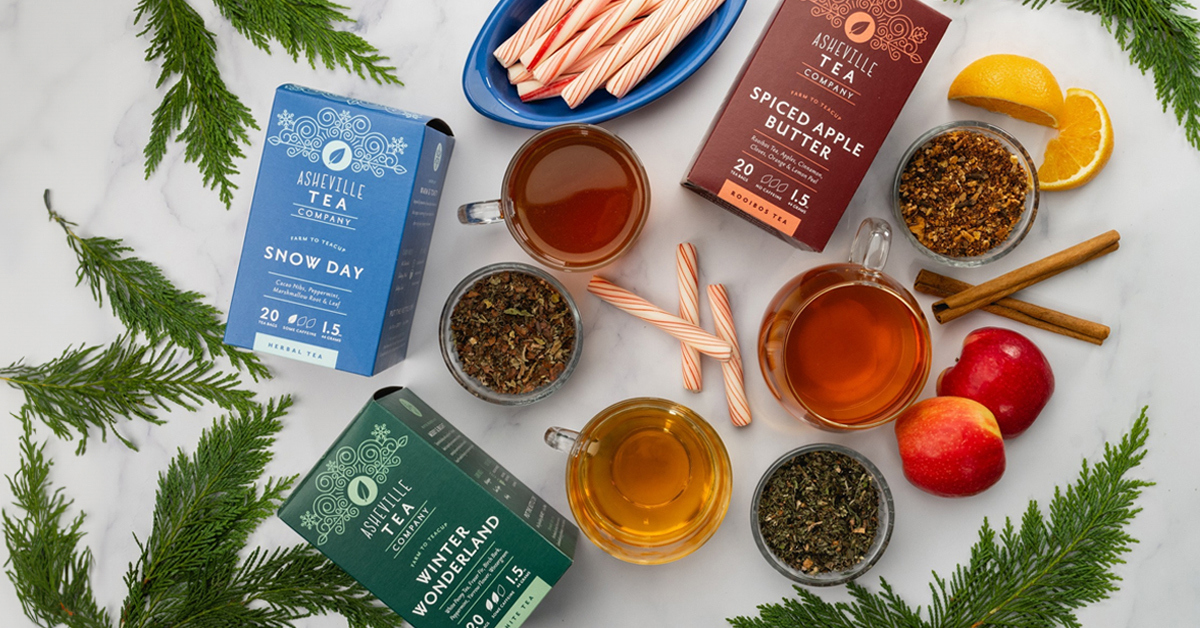
| 📰 Today's Top Story | | | A CPG company is rarely tasked with the challenge currently facing Asheville Tea Co.: strategizing its future after the whole business is lifted off its foundation and carried downriver in a once-in-a-generation storm.
Despite the devastation Hurricane Helene wrought on Western North Carolina, businesses like Asheville Tea Co. are already on their way to rebuilding, albeit slowly and not without numerous challenges. The local tea company’s founder and CEO Jessie Dean spoke with BevNET about starting all over and how finding a long-term capitalization solution for the business remains the biggest obstacle to rebuilding. What was your outlook after assessing the damage to the business? How did you begin to strategize a way forward? Unbridled optimism. It was clear to me right out of the gate that we were going to rebuild. There was never a question that our business wouldn't continue to live on. This was by far the worst thing that's ever happened to our business and, as an entrepreneur, you have challenges and solve problems every second of every day. I believe strongly in our mission to support regenerative agriculture and local farmers. The physical property losses that we've experienced actually drives me to continue to do this work in the world. It has also provided insight into the connection that our customers have to our products that is meaningful to their stories and to their lives. I don't know that I would have really heard and seen that if this had not happened. What were the priorities for restarting the business in the first few weeks after the storm? The top priority initially was confirming everyone was safe from the farmers we work with to our employees. Once we had assessed the levels of damage, it was getting [new] product out into the world and finding capital. Funding was the first thing that we tackled. We started a donations campaign right away and that has literally saved our business. Aside from the sheer scale of damage, what has been one of the biggest challenges to the rebuild? We started immediately to research and apply for anything possible. For businesses, that’s an SBA [Small Business Administration] loan, for which we've seen no progress. There's no money right now. I don't think that's true for all businesses – there probably are some Asheville businesses that have gotten funding from the SBA, but we've just been in limbo. We’re waiting to see if there's going to be more money put into it. BevNET Insiders can access the full interview to learn more about the company’s fight for funds and what comes next.
|
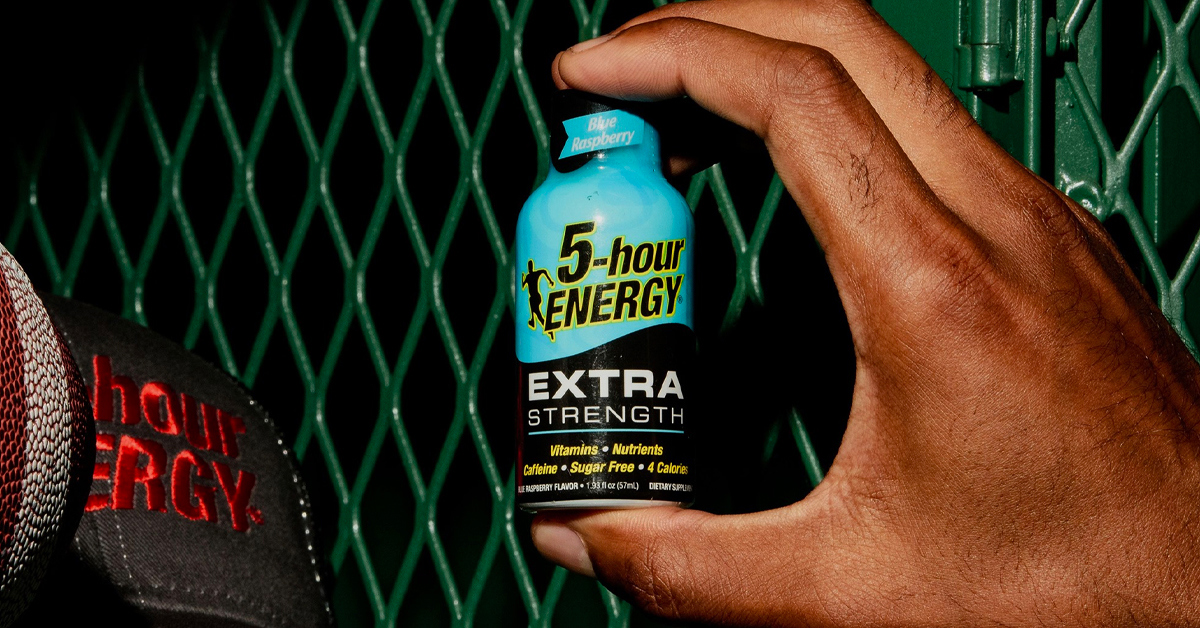
| | 👉🏼 What You Need to Know 👈🏼 | | | An upstart energy shot brand is suing 5-Hour Energy, and no we didn’t mean to write that sentence the other way around. Last week, Vitamin Energy filed a lawsuit against 5-Hour parent Living Essentials, seeking $1 billion in damages as it claims the shot giant has an unfair monopoly on the category and utilizes “illegal” exclusive placement agreements with retailers.
- Vitamin Energy alleges that 5-Hour uses point-of-sale product placement deals with Pilot Flying J and other chain stores to shut out competitors, which it says violate the Sherman Act antitrust laws.
- The lawsuit also alleges “serial” false advertising by 5-Hour, claiming its TV and social media ads overstate the efficacy of its shots, like one 2019 series of ads that said it can get consumers to “100% energy.”
- Vitamin Energy was founded in 2018 and, like 5-Hour, produces a line of functional single-serve energy shots.
- The brand experienced rapid triple-digit growth in 2021, however recent Circana data shows retail sales for the brand may be slowing, down 5.7% in the 52-weeks ending August 11. That’s in line with the category though: shelf-stable energy shots fell 6.3% and 5-Hour dropped 6.8% in that same period.
- This won’t be the first time these two have clashed in court. 5-Hour’s owners sued Vitamin Energy back in 2019 alleging trademark infringement.
BevNET Insiders can read more about the lawsuit later today. |
| | | Lifeway Foods is shedding light on why it rejected Danone North America’s acquisition offers, citing its significant growth over the past five years as the key reason in a press release this morning.
- Lifeway pointed to its 20 consecutive quarters of topline growth, a 788% shareholder return over the last five years, a 71% increase in annual revenue and 92% jump in gross profit from 2019-2023, and forecasted EBITDA growth from 22% last year to as high as $50 million by 2027. All this is to say: Lifeway is doing quite well for itself right now and they think Danone’s offer ought to reflect that.
- Reminder: Danone, a 23.4% minority shareholder in the company, initially moved to buy all outstanding Lifeway shares at a price of $25 per share (about $283 million total) in September. Lifeway’s board said “no deal” on Nov. 5, so Danone upped the price to $27 per share, or $307 million total. That offer was shot down a mere five days later.
- Lifeway underlined (literally) that it is not opposed to a sale of the company. It believes Danone’s proposal “substantially undervalues” the business, but fails to list a valuation in the release. It would appear that what Lifeway considers a fair price is for them to know and us to find out – should Danone or anyone else be willing to meet it.
- Also worth remembering: Lifeway shareholders Edward and Ludmila Smolyansky, the brother and mother of CEO Julie Smolyansky, have been very vocal in their criticisms of their family member’s leadership and have strongly favored Danone’s offers.
|
| | | Non-alcoholic cocktail maker For Bitter For Worse is airing toward the better after receiving a $250,000 award from New York State’s Grow NY program. The funding comes in the form of a SAFE note and will allow For Bitter For Worse to hire for two New York-based employees to “support the brand’s retail growth” in its second largest DTC market, said founder and CEO Shelley Elkovich.
💲 The NA alternative brand is preparing to raise $1.5M convertible note from friends, family and angel investors that it is expecting to close by the end of February, Elkovich told BevNET. 📈 Currently, the company is “cash-flow positive” and focused on a path to profitability, rather than top line growth and investment. 🍸 For Bitter For Worse is currently in 180 retail doors where Elkovich said 4-packs are the best seller. The brand recently launched a third SKU in single-serve cans, red wine alternative called The Saskatoon. |
| | | 💧 Aluminum bottled water brand Open Water has landed its still and sparkling 16 oz. bottles in all Mariano’s locations as part of the retailer’s Local Innovation program, with the help of Open Water’s DSD partnership with Norman Distribution.
🍸 Aplós announced on LinkedIn that its Ume Spritz and Chili Margarita non-alcoholic canned cocktails are now available through grocery delivery service FreshDirect. 🍹 Washington, D.C.-based Mocktail Club is expanding its store footprint with an agreement to distribute Manhattan Berry and Bali Breeze SKUs to Sprouts Farmers Market stores nationwide. |
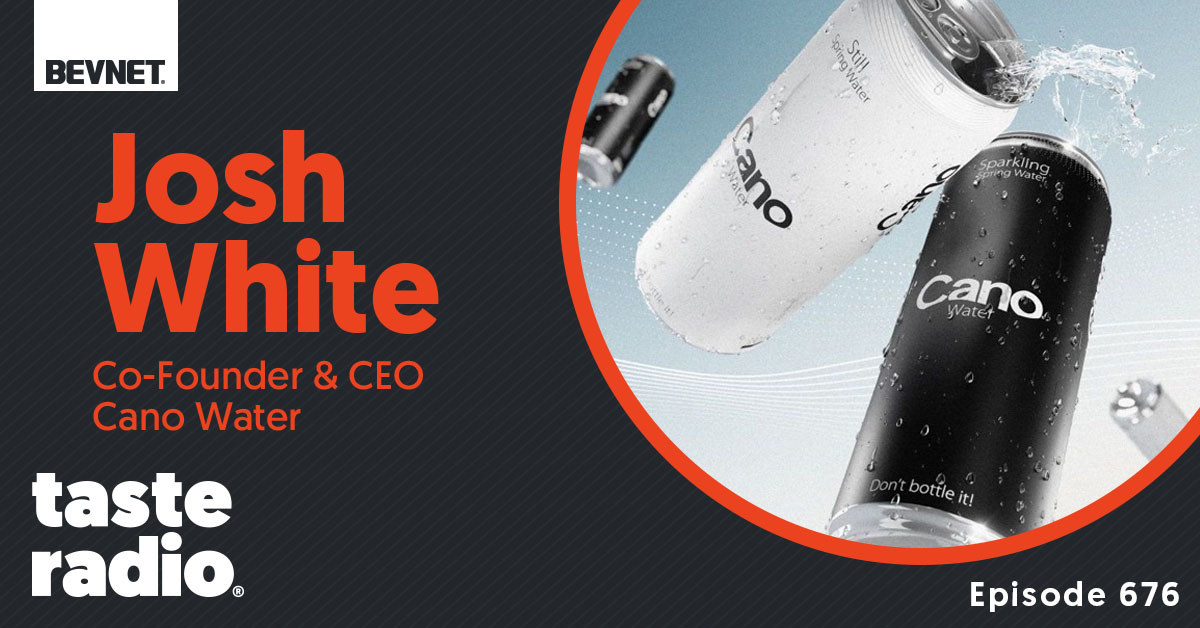
| | 🎙️ Now Streaming: Taste Radio | | | Josh White, the co-founder of pioneering canned water brand Cano Water, explains why he describes himself as “an accidental entrepreneur,” how a cold email helped the company land its first major retailer and how the brand is leaning into its British roots as it expands distribution into the U.S.
Listen to the episode now. |
|
| Your BevNET CPG Media Subscriptions You're currently subscribed to newsletters from BevNET CPG Media. To change which newsletters you receive, update your preferences - don't miss out on topics you care about. | |
| |
|
| | | |
|