Plus, DayDayCook makes third acquisition; fees tick up on TikTok ͏‌ ͏‌ ͏‌ ͏‌ ͏‌ ͏‌ ͏‌ ͏‌ ͏‌ ͏‌ ͏‌ ͏‌ ͏‌ ͏‌ ͏‌ ͏‌ ͏‌ ͏‌ ͏‌ ͏‌ ͏‌ ͏‌ ͏‌ ͏‌ ͏‌ ͏‌ ͏‌ ͏‌ ͏‌ ͏‌ ͏‌ ͏‌ ͏‌ ͏‌ ͏‌ ͏‌ ͏‌ ͏‌ ͏‌ ͏‌ ͏‌ ͏‌ ͏‌ ͏‌ ͏‌ ͏‌ ͏‌ ͏‌ ͏‌ ͏‌ ͏‌ ͏‌ ͏‌ ͏‌ ͏‌ ͏‌ ͏‌ ͏‌ ͏‌ ͏‌ 
 
 
January 10, 2024
BevNET CPG Media
Nosh

In this issue of Daily Briefing

  • 🧑‍🍳 DayDayCook Makes First Euro Acquisition
  • 🤑 Fees Tik Up On Tok Shop
  • 🔎 Report: Microplastics Hiding In Food
  • 🌱 The Atlantic: Plant-based Has Lost Its Meaning

📰 Today's Top Story

🇺🇲 Doughlicious Arrives in the U.S., Seeks to Accelerate “Snackable Moments”

🇺🇲 Doughlicious Arrives in the U.S., Seeks to Accelerate “Snackable Moments”

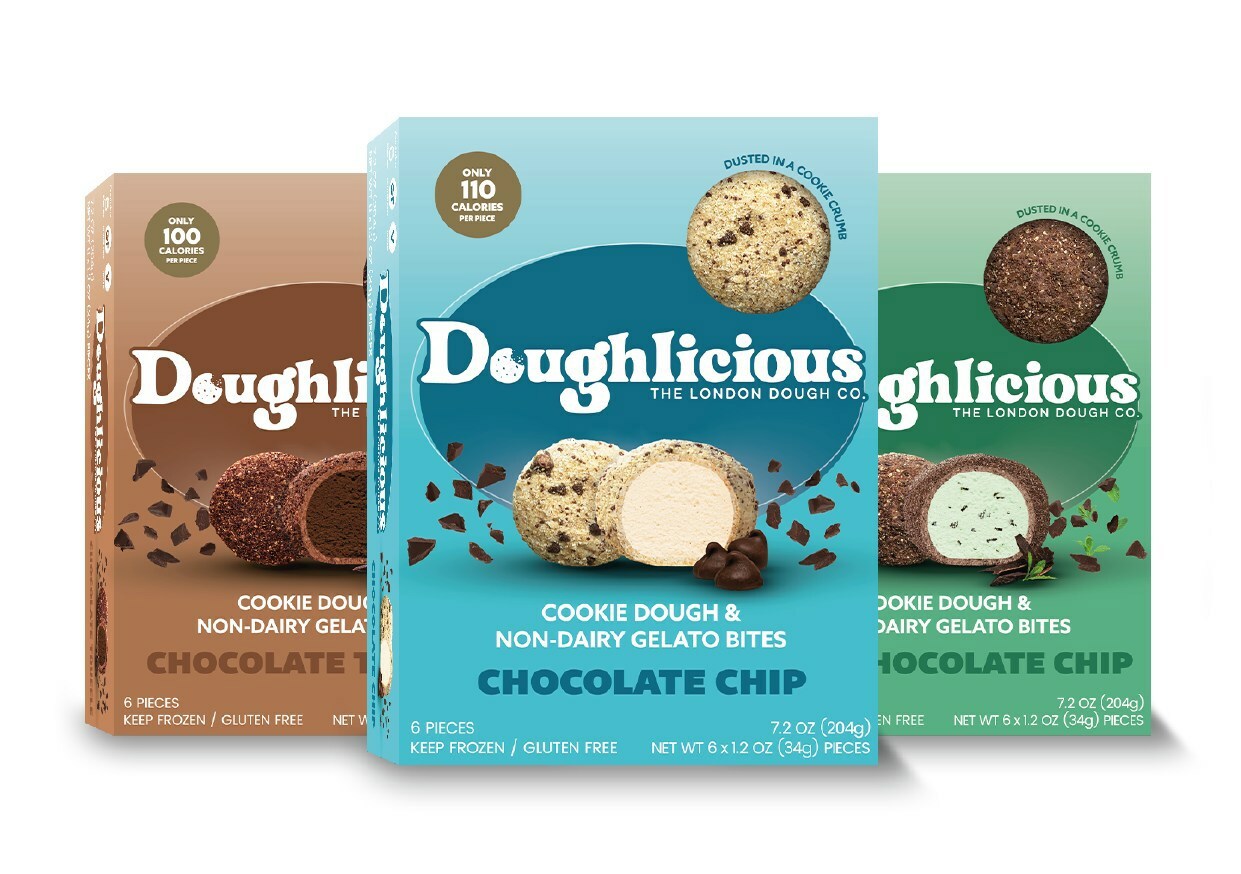
The London Dough Co.’s cookie dough snack platform – Doughlicious – has crossed the pond for a stateside debut at Whole Foods, aiming to capitalize on the rise of miniaturization and “snackable moments” in the freezer aisle. 

🛒 Since its U.K. launch in 2017, Doughlicious’ gluten-free treats have landed in retailers including Whole Foods, Tesco and Costco throughout the U.K. as well as Woolworths in Australia. The success of its Whole Foods U.K. partnership was a driving force behind the  expansion into the U.S., said managing director Russell Barnett - late of My/Mochi treats - noting that the natural retailer’s U.S. team members “understood the business and the evolution of snacking.” 

🍪 Doughlicious’ Frozen Cookie Dough and Gelato Bites are now available in 185 Whole Foods Market stores across the Northeast, Southwest, Rocky Mountains and Mid-Atlantic regions, which include large markets like New York, Washington, D.C., Dallas and Denver. The products retail for $6.99 per 6-piece box. 

👀 The frozen treats come in both dairy-based and non-dairy varieties with flavors including Chocolate Chip, Chocolate Truffle, Mint Chocolate Chip, Cinnamon Churro, Blueberry Frozen Yogurt and Strawberry. Whether dairy-based or plant-based, the through-line, said Barnett, is a product driven by taste.  

🏭 Doughlicious’ entire product range is produced at the company’s 21,000 sq. ft. manufacturing facility in the U.K., giving the brand the “luxury of time” to properly handle its hero ingredient, oat flour, used to make the cookie dough component gluten-free. 

💭 “When you have a facility and you have folks who are driving the experience and taste profile, you don’t get caught up in all the other stuff. We make a cookie dough platform of products that happen to be better for you. We don’t make a better-for-you cookie dough,” said Barnett. 

🆕 New markets, new name: In the U.K. the bites line has been labeled Dough-Chi, but Barnett said that name, “has never been the right name for the business.” This year it will remove “Dough-Chi” from all of its U.K. packaging and “harmonize” the U.S., U.K. and Australia product lines under the name Frozen Cookie Dough and Gelato bites

🔮 Looking ahead, Doughlicious plans to expand its U.S. offerings by bringing over other products from its existing range, such as Ready-to-Bake Dough, and craft other “exciting snackable innovations.” 


✨ What You Need to Know ✨

🧑‍🍳 DayDayCook Makes First Euro Acquisition

Call it a hot streak. Hong Kong-based DayDayCook (DDC) has made its third acquisition in only six months, announcing this morning it has taken a 51% share of Italian Asian ready-made meal maker G.L. Industry S.p.A. Amid its portfolio expansion, the company also completed a $3.9 million IPO on the NYSE in November.

💸 The cash deal is valued at about $9.3 million with DDC planning to pay off that total over the next three years. The deal is expected to close in Q1 2024. 

🍜 DDC’s momentum began in August when it acquired Asian food company Nona Lim; in late December the company announced it had also acquired Thai American foods brand Yai’s Thai.

🏭 This latest transaction will support DDC’s international expansion plans and give the company a foothold in Europe with the support of two production facilities and distribution agreements with over 7,000 European retailers

Read up on DDC’s acquisition of Yai’s Thai on Nosh.


🤑 Fees Tik Up On Tok Shop

TikTok is planning to charge sellers more (and not just a little) to use its new ecommerce platform, TikTok Shop, which officially launched in September. The social media platform began testing its shopping feature in late 2022 and launched a beta version in April 2023.

🛍️ TikTok’s parent company, ByteDance, will up its commission fees from 2% to 8% and charge an extra 30 cents per transaction, according to a report from The Information.

⬆️ The fee hikes will happen in two phases with commissions rising to 6% on April 1 and then to 8% July 1. The changes are intended to bring the platform’s fee structure in line with that of industry leader Amazon.

📉 When TikTok Shop was announced in September the e-commerce play was estimated to lose over $500 million for ByteDance in the U.S. in 2023, according to The Information.

📲 Former Amazon Fresh Category manager Cameron Gould-Saltman announced last week that he has joined TikTok Shop as Head of Food and Beverage to support emerging brands selling on the platform. 

Go Deeper: TikTok Shop 101: What the App’s Newest Feature Means for CPG


🔎 Report: Microplastics Hiding In Food

A wide variety of foods – from grocery staples to popular fast food menu items – contain high levels of plasticizers (chemicals used to make plastic packaging more flexible and durable) according to a recent investigation conducted by Consumer Reports (CR).

🤒 The big deal is that exposure to plasticizers – most often bisphenols and phthalates – at even low levels has been linked to heightened anxiety, depression, and hyperactivity. 

⚠️ According to CR, phthalates proved to be the most concerning plasticizer and were detected in nearly all of the 85 foods tested; high levels were detected in everything from Del Monte sliced peaches and Yoplait Original French Vanilla low-fat yogurt to Burger King’s Whopper with cheese. 

😮 Organic products did not fare any better with the highest phthalate levels detected overall were found in a can of Annie’s Organic cheesy ravioli. 

⛔ U.S. regulators have put limits and bans the use of plasticizers in a variety of products (including children’s toys) – but not in food. In fact, in 2022 the FDA rejected an appeal from several groups calling to ban multiple phthalates used in materials that come in contact with food. 


🌱 The Atlantic: Plant-based Has Lost Its Meaning

A plant-based shampoo might be a smaller stretch of the imagination than a plant-based vape but regardless of what product the label claim graces, consumers are apparently worn down by the constant callouts to vegan-ness… particularly on items that one wouldn’t have thought contained animal counterparts in the first place. 

🥩 According to a recent story in The Atlantic, shoppers more than ever want to know what is in their food, but plant-based label claims have convoluted that quest with many alt-meats billed as healthier alternatives yet contain long and complicated ingredient lists. 

💬 “The [plant-based] label’s vagueness has been a marketer’s dream, creating an enormous opportunity to capitalize on the perceived virtuousness and healthiness of eating plant-based,” the article reads. 

🥜 So what do you think readers: Have we reached the peak of plant-based? Do consumers still care about the claim? And does the average shopper even need to be ensured their peanut butter only contains plant ingredients?

Your BevNET CPG Media Subscriptions

You're currently subscribed to newsletters from BevNET CPG Media. To change which newsletters you receive, update your preferences - don't miss out on topics you care about.

Nosh
FacebookInstagramLinkedInX (Twitter)

BevNET.com, Inc • 65 Chapel Street, Newton, MA 02458

Nosh is a part of BevNET CPG Media. All rights reserved (Terms & Privacy Policy) © 1996 - 2026.