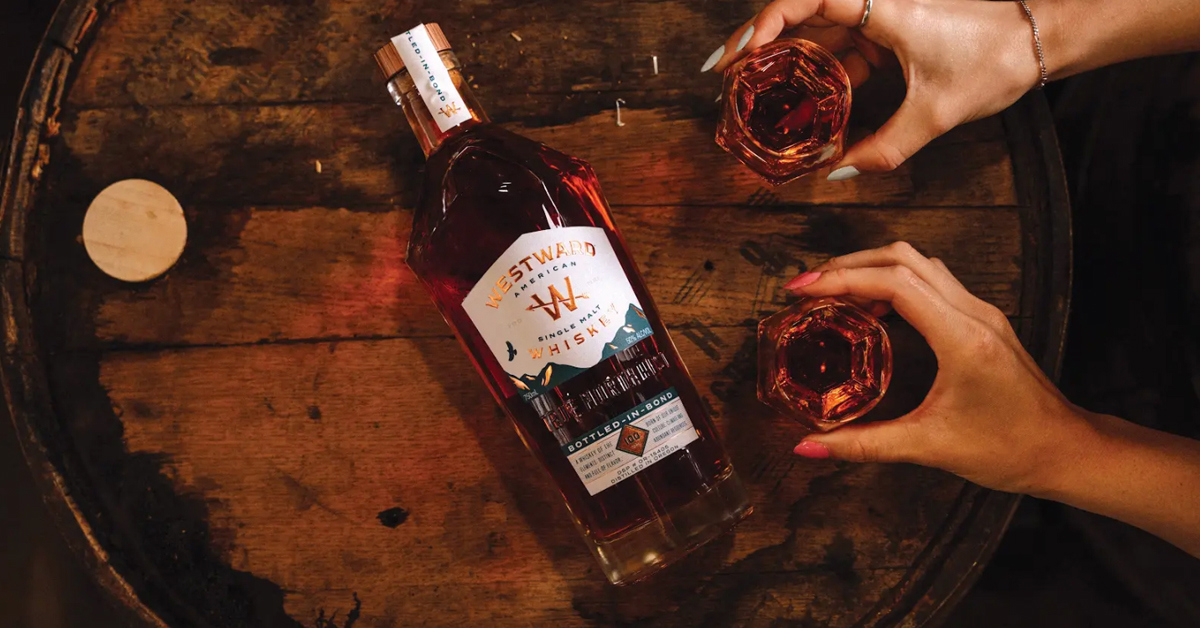
Last week, the parent company of Westward Whiskey filed for Chapter 11 bankruptcy, citing a slew of obstacles that seem to mirror the woes of many craft distillers: decline in demand for spirits overall, obstacles to market access and the rising costs of goods. But in CEO Thomas Mooney’s words, the business model as it was “just really didn't work at all for building an independent whiskey brand in 2025 and beyond.” But Mooney, a Harvard MBA, has been building the brand for more than a decade. So where did the business model go wrong and what’s the future of the brand? It had all the makings of a differentiated, acquisition worthy brand: The Portland, Oregon-based House Spirits Distillery launched in 2004 as one of the first craft distilleries in the U.S. and debuted its whiskey in 2012. Under the brand Westward Whiskey, the distiller has since become known as one of the leading American Single Malt producers. In 2018, it was backed by Diageo’s Distill Ventures accelerator. All good, right? Maybe not: Distill Ventures just announced it would cease investments and Diageo plans to reduce its portfolio. Now, Westward Whiskey is trying to pivot, and figure out what success could look like as an independent brand. In an effort to make Westward an attractive brand to Diageo, one of the company’s biggest mistakes was prioritizing the wholesale business, which historically made the company “very unprofitable,” said Mooney. “Being in 27 states is actually worse than being in five states” without the capacity to defend that type of footprint, he added. Instead, the company will now aim to flip its business plan by handpicking markets where the brand resonates while maximizing direct-to-consumer – despite the barriers that come with operating a tasting room in Oregon, plus the shipping costs and limitations on distillers. The restructuring reflects part of Mooney’s advice to other founders: a business plan is important, but it’s more important to recognize when the plan is wrong – or, quoting a 19th century military strategist, “no plan survives first contact with the enemy.” A 20th century warrior, Mike Tyson, put it another way: “everyone has a plan until they get punched in the face.” |