Plus, a fresh episode of CPG Week͏‌ ͏‌ ͏‌ ͏‌ ͏‌ ͏‌ ͏‌ ͏‌ ͏‌ ͏‌ ͏‌ ͏‌ ͏‌ ͏‌ ͏‌ ͏‌ ͏‌ ͏‌ ͏‌ ͏‌ ͏‌ ͏‌ ͏‌ ͏‌ ͏‌ ͏‌ ͏‌ ͏‌ ͏‌ ͏‌ ͏‌ ͏‌ ͏‌ ͏‌ ͏‌ ͏‌ ͏‌ ͏‌ ͏‌ ͏‌ ͏‌ ͏‌ ͏‌ ͏‌ ͏‌ ͏‌ ͏‌ ͏‌ ͏‌ ͏‌ ͏‌ ͏‌ ͏‌ ͏‌ ͏‌ ͏‌ ͏‌ ͏‌ ͏‌ ͏‌ 
 
 
NoshMarch 20, 2025
DAILY BRIEFING
Today's news & insights for the food industry.

In this issue of Daily Briefing

  • 📉 General Mills' Tough Q3
  • 🤝 BranchOut Links with MicroDried
  • 🛒 Instacart Enables AI Ads
  • 🐓 USDA Updates ‘Pasture-Raised’ 
  • 🫧 Pepsi + poppi = Popsi?

💭 Today’s Big Take

🍔 Blended Or Busted? Balanced Proteins Chart Path Forward

🍔 Blended Or Busted? Balanced Proteins Chart Path Forward

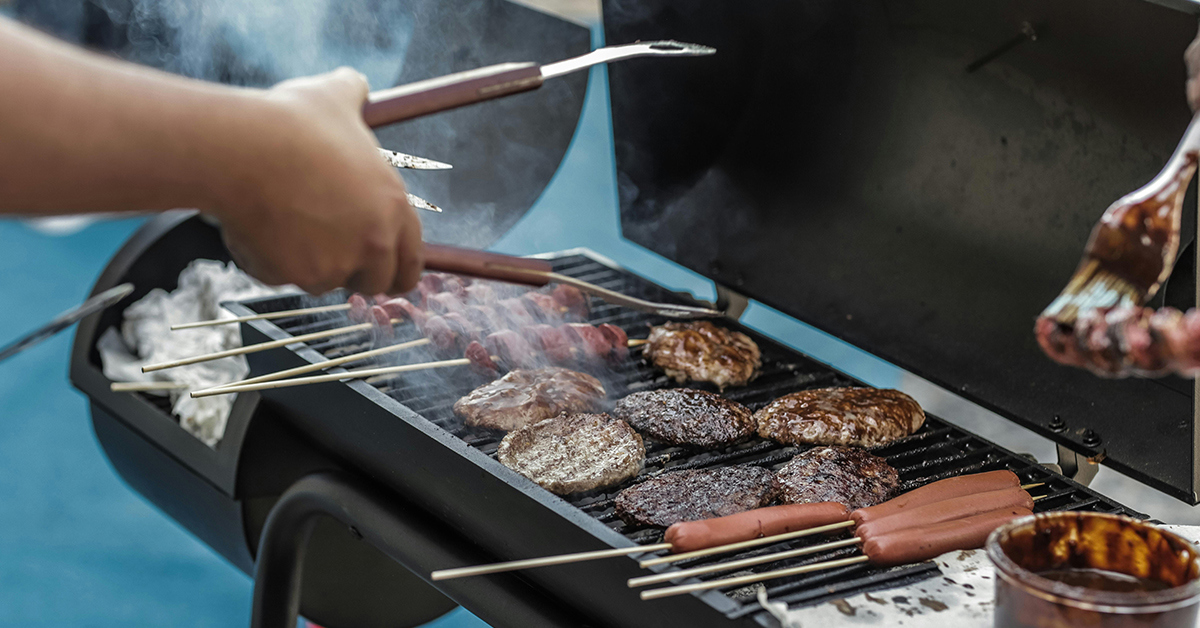
Whether you call it blended meat or by the relatively new moniker “balanced protein,” the category created by mixing animal meat with plants has struggled to gain momentum in retail. 

Nosh’s resident ex-butcher-turned-balanced-protein enthusiast Lukas Southard is here to cut to the meat of the category dynamics.

In addition to the exit of notable big meat players from the blended segment (like Applegate Farm’s Well-Carved line and Tyson’s Raised & Rooted’s pivot to fully plant-based), attrition has also hit startups and insurgents like Choppy! (formerly Paul’s Table) and food technology company SCiFi Foods, to name a few.

Finding continued funding was too high a barrier for many small blended meat brands. But the reason investment dried up could be a result of a broader problem coming from an adjacent category: plant-based meat alternatives.

"Hundreds of millions of dollars were poured into vegan chicken companies from venture capital firms because consumers allegedly want to save the planet through food, but there's actually no data that substantiates that they do that with their dollars,” said Choppy! co-founder Brice Klein.

In essence, investors had bet big on alt-meats (and many were burned), all while the returns did not prove there was room for a middle-ground between plant-meats and conventional protein.

But blended meat has persisted. Like its category adjacent counterpart, it has found its way in foodservice where consumers have a low-risk entry point to trial the items. The hope is that eventually consumers will seek out a taste in retail.

Many stakeholders point to a messaging problem as the other big hindrance to securing more buy-in.

The solution? Repositioning away from climate-centric marketing approaches. Instead, many brands are focusing on the health attributes of adding vegetables to a burger and prioritizing flavor.

Put simply: “The opportunity still exists; the need is still out there,” said Tim Dale, category innovation director at sustainable food non-profit Food System Innovations (FSI).

But brands must find a better story to tell, one eschewing narratives about being the next Beyond burger or Impossible nugget, but rather aligns closer to traditional meat as a healthier alternative, Dale said.

How do you tell a story that this is a meat product for meat eaters, but has been improved with plant-based ingredients as opposed to becoming less than [its meat-only counterparts]?”

Could the balanced proteins category ever create viable retail demand? Let me know your thoughts at lsouthard@bevnet.com.

Read how the blended meat category is forging inroads as a better-for-you alternative on Nosh.


✨ What You Need to Know ✨

📉 General Mills Lowers Guidance After Tough Q3

📉 General Mills Lowers Guidance After Tough Q3

General Mills cited a slowdown in snackingspecifically in snack bars, fruit snacks and salty snacks – and retailer inventory reductions as reasons for lower-than-expected sales in the third quarter. Here’s a look at the numbers:

  • Net sales dropped 5% to $4.8 billion.
  • Gross margin gained 40 basis points, reaching 33.9%.
  • Net earnings fell 7% to $626 million, driven by lower operating profit, higher net interest expense and a higher effective tax rate.
  • North America Retail segment sales declined 7% to $3 billion, with U.S. Snacks net sales down mid-single digits.

⬇️ The company has lowered its full-year guidance for organic net sales and adjusted operating profit.


🤝 BranchOut Links with MicroDried

BranchOut Food has inked a definitive agreement with premium dried fruit and vegetable ingredient provider MicroDried to expand the latter’s portfolio by integrating BranchOut’s proprietary dehydration tech

🏭 Both companies will collaborate to increase large-scale production through BranchOut’s new 50,000 sq. ft. facility in Peru, per terms of the deal, with expected annual ingredient sales to reach between $5 million and $6 million.

3️⃣ The ingredient business is one of three key sales channels for BranchOut, complementing its branded retail and private label divisions. It is also preparing to activate a branded DTC ecommerce platform. 


🛒 Instacart Enables AI Ads

Instacart is doubling down on AI, releasing a new suite of products aimed at reducing complexity and driving performance for brand partners. 

🧑‍💻 New AI-powered offerings include universal ad campaigns, landing pages and an ads manager as well as an enhanced product library. 

📲 Universal campaigns allow advertisers to make one campaign with a single budget that is then optimized across multiple ad formats. The business selects its objectives and Instacart handles budget allocation and format optimization.

💻 Landing pages enable quick creation of shoppable brand destinations including product showcases and custom copy. 

  • Celsius has tracked a 20% increase in campaign-attributed sales in an early test 

🗣️ "We're motivated to use the latest technology to help our brand partners succeed in an increasingly complex advertising landscape. As the retail media space continues to mature, brands face more choices than ever about where and how to reach consumers,” - Ali Miller, VP of Ads Product at Instacart


🐓 USDA Updates ‘Pasture-Raised’ Poultry Labeling

Pasture-raised chicken brand Pasturebird has successfully petitioned to update the U.S. Department of Agriculture (USDA)’s definition of “pasture-raised” meat and poultry. 

☀️ Under the new guidelines, “pasture-raised” animals must be on pasture for most of their life, with “pasture” referring to land having rooted vegetative cover, grasses or plants. 

👀 Pasture-raised is different from “free-range,” which only requires that animals have access to the outdoors. 

💭 “When shopping for chicken, consumers are asked to take a leap of faith deciphering labels, but the new USDA common-sense definition of “pasture-raised” should make it a little bit easier,” said Paul Greive, founder of Pasturebird, in a statement. 


🎙️ Now Streaming: CPG Week

🫧 Pepsi + poppi = Popsi?

🫧 Pepsi + poppi = Popsi?

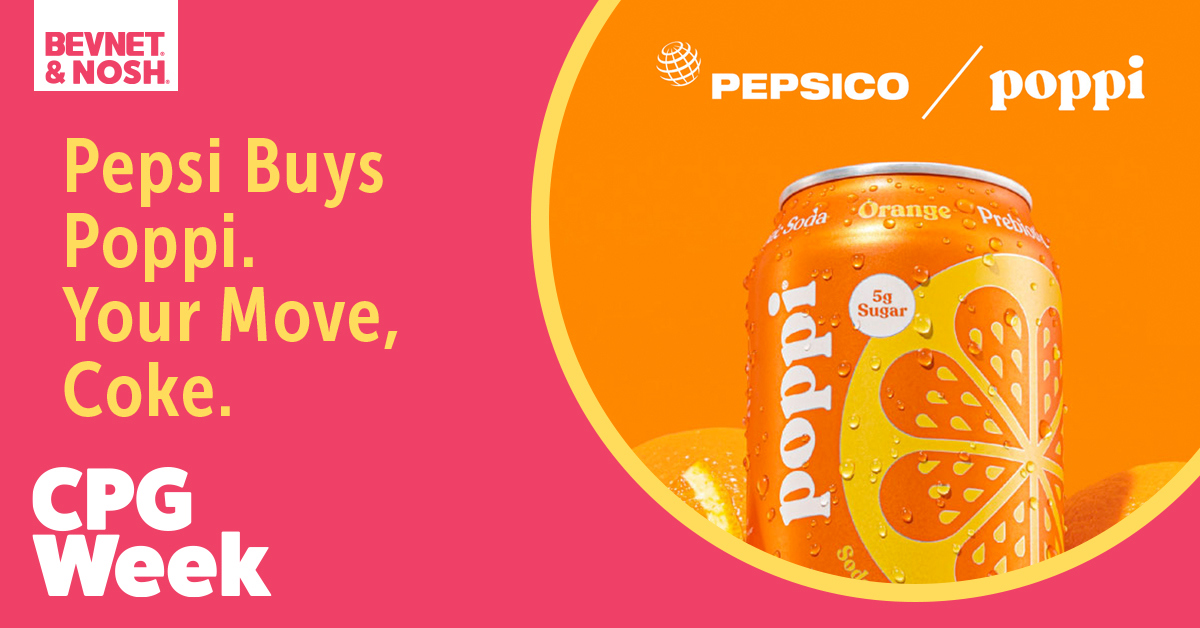
The news of poppi’s acquisition by PepsiCo was unsurprising to many, but it does lead to bigger questions about what the future holds for the better-for-you soda category and when the next move will come from other beverage strategics (looking at you, Coke and KDP)

Monica, Brad and Lukas go through the top-level news before musing on how poppi will evolve within Pepsi’s structure, what’s next for Olipop and what this means for the rest of the prebiotic soda brands flooding the market.

Click here to listen to this week’s episode. Also available on Spotify and Apple Podcasts.

Like what you are listening to? Please don’t hesitate to rate our show and leave a review on your podcast platform of choice.


📥 Did a friend forward you this newsletter? Sign up here.


Have feedback or a tip to share? Let me know at adeluca@bevnet.com.

That's all for today's Daily Briefing. We'll be back in your inbox tomorrow.

BevNET.com, Inc. 65 Chapel Street, Newton, MA 02458
hello@nosh.com

Manage subscription Submit News Advertise

Update Preferences Unsubscribe

facebooktwittertwittertwitteryoutube

©1996 - 2026 BevNET.com®
*|LIST:DESCRIPTION|*