| | | | | 📰 Today's Top Story | | | Despite the lingering specter of inflation, supply disruption and recession, the economy – in particular for CPG – has shown itself to be more resilient than many gave it credit. In a presentation by Whipstitch Capital from this summer, the Massachusetts-based firm dug deep into the somewhat irregular (in a good way) peculiarities of this most recent economic downturn that have set CPG up for a rebound. According to founders Mike Burgmaier and Nick McCoy: - Whereas past recessions saw low-income wage growth slow or get rapidly outpaced by higher income brackets, the pandemic-era recession saw the opposite: as of December 2022, low-income wage growth was up 37% year-over-year, outpacing all other income brackets. Compare that to 2009, in the shadow of the Great Recession, when that bracket was down -34%.
- This, of course, means lower income consumers had more cash on hand to spend on CPG products. While that doesn’t mean that inflation didn’t tighten some wallets, food demand was up 14% among households making under $25,000 a year, compared to 9.9% for those making over $100,000.
- At the worst point in the inflation wave, food and beverage demand fell -9.9% as prices rose around 15.3% in Q2 2022. By Q4 demand was flat against 6.9% inflation and in Q1 2023 inflation was at 3.7% with demand only down -0.4%.
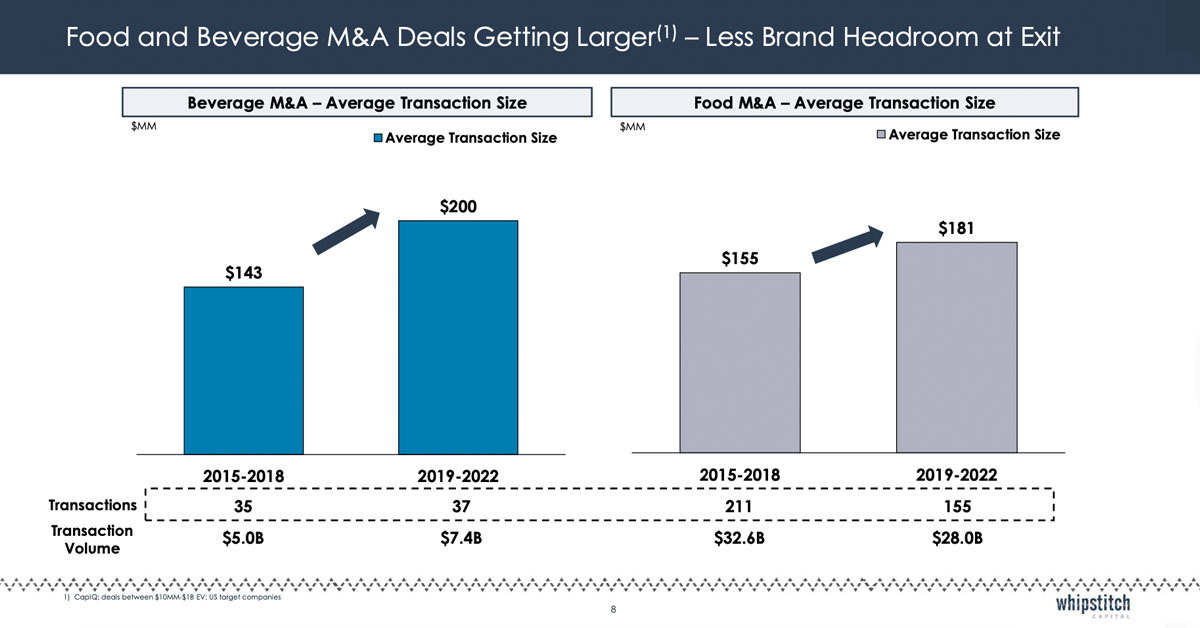
- While M&A activity overall slowed, the top 15 consumer brands companies kept the same pace for acquisitions they’ve held for the past few years. In 2020, they made 14 brand acquisitions, followed by 16 in 2021 and 15 in 2022. Overall, beverage M&A saw the average transaction size increase to around $200 from 2019-2022, compared to $143 million from 2015-2018. (The Body Armor deal might have had a lot to do with that average number, of course).
- Sustainability remains a major sales driver. Dollar volume growth for ESG focused CPG brands rose 14.4% in 2022 compared to 11.3% total store growth. Repeat purchase rates for ESG brands were also stronger, with the highest rated products reporting 34% repeat compared to 27% for brands with the lowest ESG ratings.
|
| | 👉🏼 What You Need to Know 👈🏼 | | | Over its near-decade on the market, Three Trees has mixed in many different nuts, seeds and even oats to its milk, but one ingredient – outside capital – has been left out. Founder Jenny Eu joked that aspect alone makes the San Francisco-based company “a unicorn,” in addition to differentiating itself with clean ingredient lists. Earlier this summer, the company added a new Barista Blend to its lineup, a formulation that was an extra challenging feat without standard alt-milk additives such as oils, gums and emulsifiers. With a costly ingredient supply chain (hint: the brand uses A LOT of organic almonds) and only Eu’s piggy bank approved for payments, the business continues to grow and scale. In fact, Eu hopes to double her team’s headcount over the next year. Find out how Eu is mindfully managing growth in the full story on BevNET. |
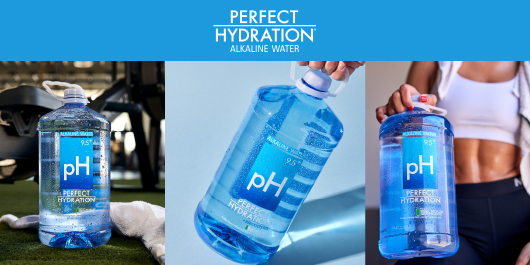
| | | | Sponsored message from Perfect Hydration Alkaline Water | | Perfect Hydration gallons just became the highest dollar velocity jug in the west, according to P26W data from IRI/Circana. As distribution gains continue, the brand is poised to become the strongest player in the gallon water and alkaline subsegments.
Learn more
|
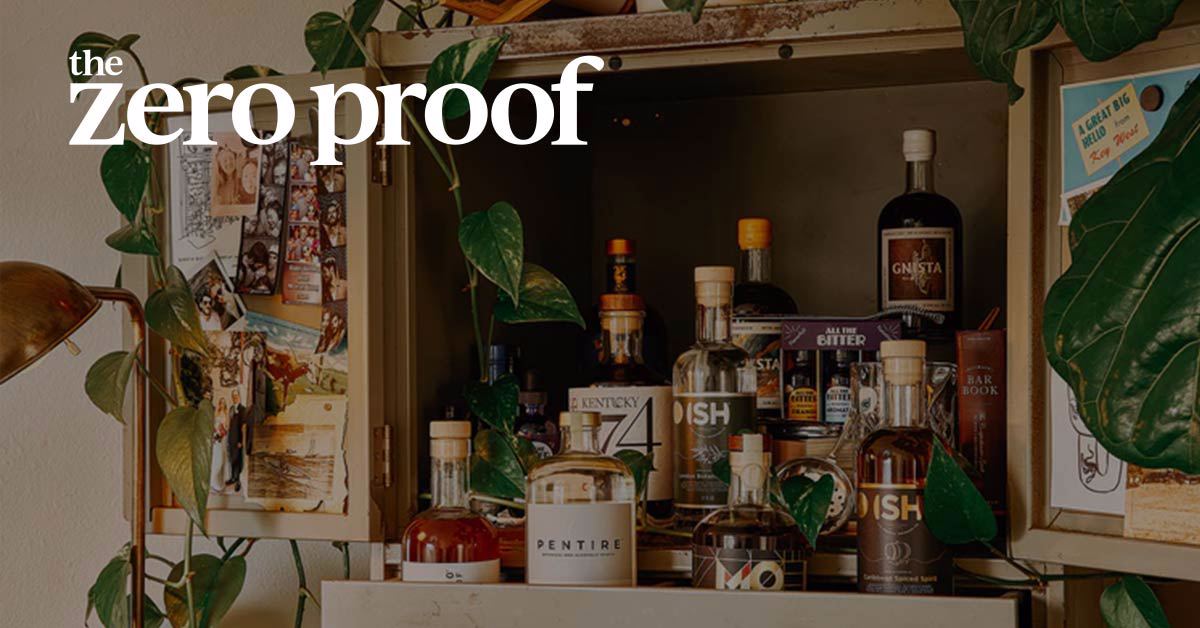
| | | Who is stocking up for Sober October – the second most important month in the non-alc community calendar? A lot more people than last year, according to adult, NA beverage retailer The Zero Proof’s co-founder Sean Goldsmith. - Goldsmith sees the zero-proof category as a self-fulfilling cycle. As the category grows and more products make it to the shelf, more consumers are opting to try NA beer, wine, spirits and RTD cocktails.
- Yet the ceiling has not been reached for the category, he said, “most people still don’t have any idea of the offerings available to them.”
- Although the category is still driven by NA beer sales, The Zero Proof is seeing sales accelerate for NA wine and RTD cocktails.
- Overall, sales in the non-alcoholic drink category in the U.S. grew at 20.6% to $395 million between August 2021 and August 2022, according to NielsenIQ data from last year.
Read The Whole Conversation At BevNET |
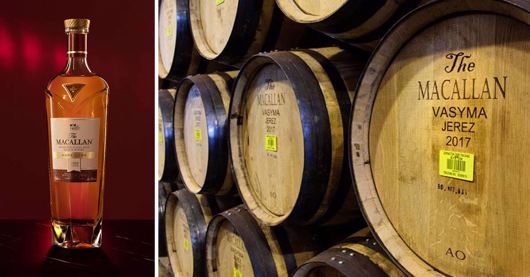
| | | | As whiskey brands compete for oak barrels, one Scotch whisky is deepening its supply chain footprint. Edrington-owned Scotch Whisky The Macallan has completed an acquisition of the Spain-based Vasyma cooperage business yesterday, and entered a joint-venture partnership with Ohio’s Coopers Oak to further cement its stave supply chain. - A shortage of staves, the wood strips for barrels, and heading mills have been a concern of the whiskey industry, and the move comes amid increasing competition for whiskey barrels. High demand for oak, the dominant wood used to age spirits— and particularly white oak— has been exacerbated by labor shortages, climate change, renovation frenzies during the pandemic, and of course a high demand for bourbon and whiskey.
- Edrington has a 70% stake in The Macallan’s holding company, with Scottish family-owned spirits firm William Grant & Sons owning the remaining 30%.
In a recent report from Deutsche Bank, Edrington was listed as a contender for a predicted Campari merger or acquisition. |
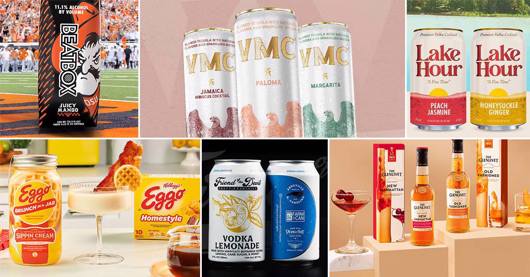
| | | | In this roundup of new ready-to-drink cocktails Devil’s Foot ventures outside of the soda category, BeatBox shows team spirit with its Oklahoma State University collaboration and Glenlivet unveils its new Twist & Mix innovation. Read the story. |
| | | Financial technology company Ampla, which works with beverage brands such as Recess, Wandering Bear Coffee and Carbone, has launched what it claims to be the first corporate card designed exclusively for CPG brands. According to a press release, the company launched the new product to provide emerging brands with “unmatched spending power [...] helping supercharge [their] growth.” - Emphasizing the importance of cash and cash flow in CPG brands, Ampla’s Visa Corporate Card offers limits up to 11 times the average corporate card, based on the company’s internal underwriting limits and a 2020 report by Experian.
- Card features include unlimited 1.5% cash back on all spend, a 30-day statement period and one-day payment terms designed to ease brands’ cash crunch during big inventory builds or promotion-heavy holidays.
- “The Ampla Visa Corporate card gives you both a birdseye and a granular analysis into spend when paired with our Ampla Insights tool, lets you compare your numbers to industry benchmarks,” said VP of product Tui Allen in the release. “As our customers scale, so does the product. More spend control and tools to make running a business easier are planned.”
Ampla itself provides a suite of financial services for CPG brands, including credit and banking capabilities. |
| | | The people behind the world's most iconic hydration beverage today launched a new innovation: Gatorade Water. And yes, that is right, it really is just water. The electrolyte-infused, pH-balanced unflavored beverage is intended to round out the brand’s hydration platform and will be offered in a range of size formats and squeeze bottle types, according to a spokesperson. In addition to the water launch, Gatorade-owned Muscle Milk is also making big moves today, into the plant-based set. Muscle Milk has unveiled an RTD line of pea protein-packed beverages in Caramel Vanilla and Chocolate flavors that contain all nine amino acids found in most animal proteins, the brand claims. These two new innovations are entering some pretty crowded categories, but the team at the PepsiCo-owned Gatorade believe each respective brand has the loyal following to make them a success Stay tuned for the full story on BevNET later today. |
| | | Splash Beverage Group has accumulated a hefty portfolio of drink brands including Pulpololoco Sangria, RTD wine maker Copa Di Vino, Salt Agave Tequila and sports drink TapouT; it is preparing for more. - The company announced today it has entered a (non-binding) term sheet to fund acquisitions via a designated credit facility
- “We have built our organization with the intention of embarking on a series of significant acquisitions,” said Splash CEO Robert Nistico. “We will be opportunistic with our strategy, and believe we are poised to take a substantial leap forward in our growth trajectory at an opportunistic time in the beverage market; timing is everything and now is the time.”
- Splash will be targeting beverage brands with revenues between $20 million and $75 million, which is the “sweet spot” for integrating them within Splash’s system, Nistico said.
|
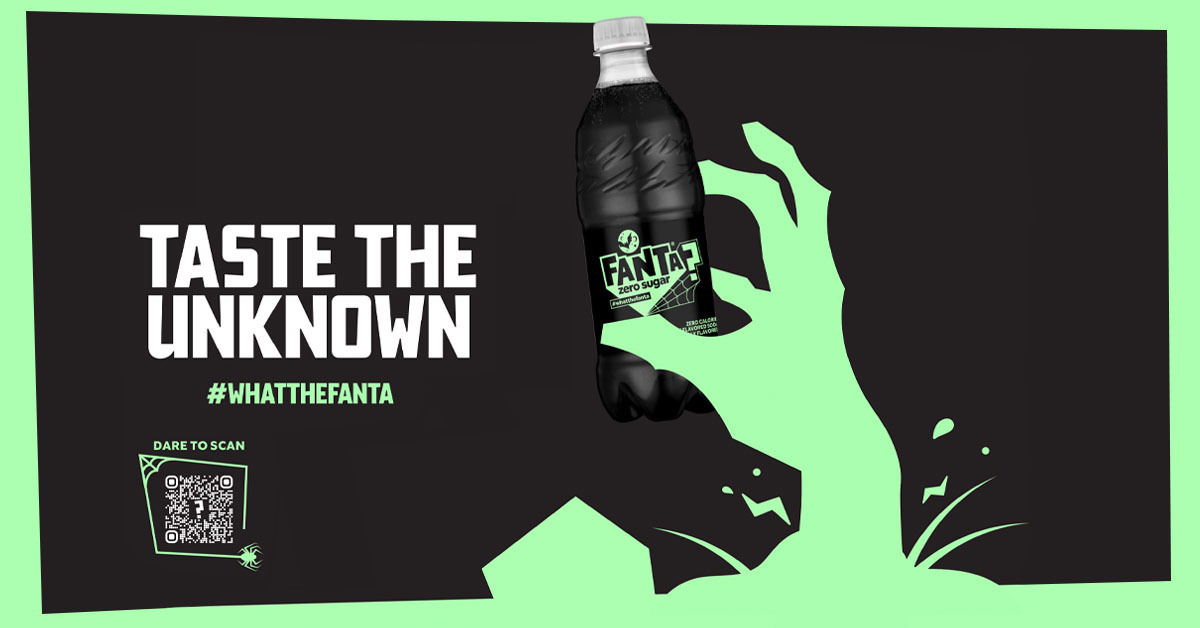
| | | | I guess it's time to get out that dusty witch hat and spooky decorations because here come the Halloween-themed products. Fanta announced the launch of its limited time offer mystery flavor: What The Fanta. - The zero-sugar variety of soda turns consumers tongues black and will “elicit all of the senses in a 5D drinking experience” with activations and social media posts giving clues to what the flavor is, according to the brand.
- It will be available in 20 oz. bottles and 6-packs of 7.5 oz. mini cans in the U.S.
- To go along with the multichannel campaign, Fanta has tapped content creator and designer, Nava Rose, to create a special Halloween costume inspired by Fanta’s mystery flavor.
Not sure this was part of the planning but Fanta’s new LTO flavor could be the perfect accompaniment to anyone thinking of dressing as a giraffe for Halloween. |
|
| Your BevNET CPG Media Subscriptions You're currently subscribed to newsletters from BevNET CPG Media. To change which newsletters you receive, update your preferences - don't miss out on topics you care about. | |
| |
|
| | | |
|