| | | | | 📰 Today's Top Story | | | With a double-digit growth rate over the past five years, no-alc category sales now exceed half a billion dollars in off-premise channels over the past 52 weeks ending July 29, according to a new NIQ report. But how has the category shifted over the last year? - Must-win states for non-alc beer, wine and spirits are led by— no surprise— California, with $85.7 million in sales, up 21% since this time last year. Combined with four other states, those markets account for 30% of dollar sales.
- Gen Z says they don’t drink, but the biggest non-alc drinkers are millennials and boomers.
- Non-alc beer still dominates the category, but craft is setting the pace: the segment grew 78.2% since last year, with super premium beer also up 66.5%.
Read the other top insights. |
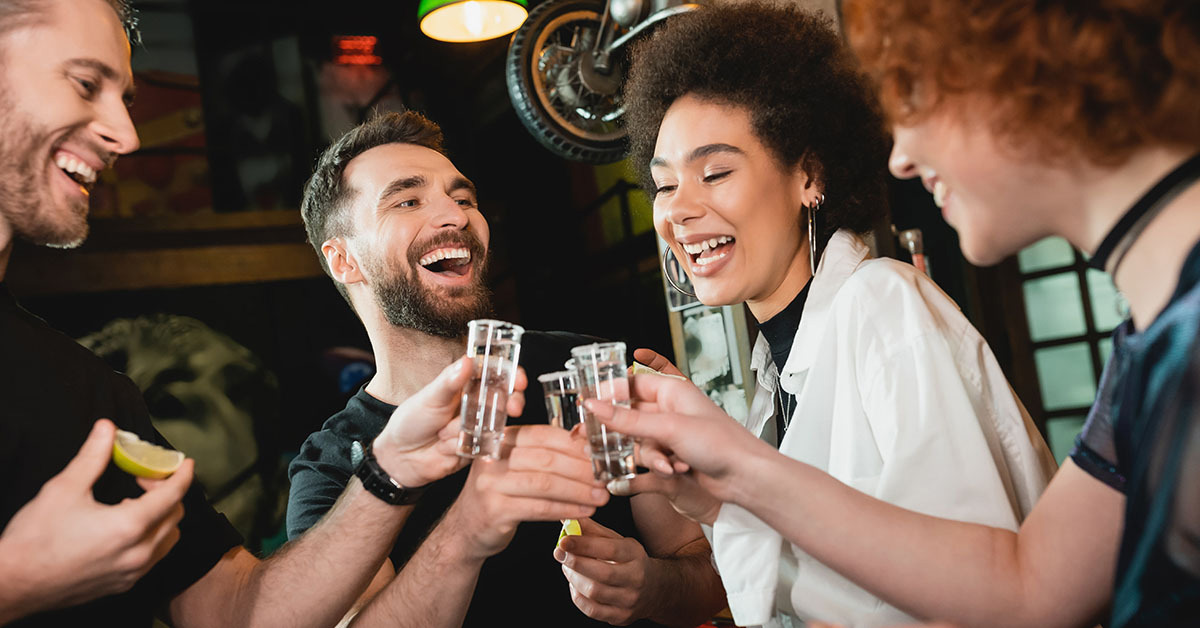
| | 👉🏼 What You Need to Know 👈🏼 | | | Any time of year is a good time for Reposado tequila, but according to Drizly’s BevAlc Insights, the smell of pumpkin pie and a long day raking leaves is really the best time to drink Mexico’s favored agave spirit. Reposado tequila makes up 30% of the tequila category to-date in 2023, according to BevAlc Insights, compared to 28% in the same time period last year. Though reposado still doesn’t have as many SKUs as silver or blanco tequila varieties, it has become the second-most available style of tequila on Drizly. Yet it's not just reposado that is driving the agave spirits craze in the U.S., let’s dive into some of the data: - So far during 2023, tequila has grown to make up 19% of total liquor sales on Drizly, up from 13% in 2019 with Casamigos, Clase Azul, Espolòn, and Don Julio leading the charge on the platform.
- According to NielsenIQ data, tequila dollar sales are up 6.4% in the last 52-week period ending August 26. Higher than all other spirits categories with the exception of non-alcoholic spirits and prepared cocktails.
- The lure of celebrity-backed brands is partially responsible for Americans’ growing demand for tequila, BevALc Insights reports, but as interest increases, quality is being prioritized as well.
- Premiumization has been happening throughout spirits but is showing even more momentum among tequila consumers going from $39.32 in 2019 to $48.55 in 2023, according to Drizly buyer data.
- Though celebrity brands and higher-end tequilas are dominating, a growing contingent of consumers are being drawn to smaller, craft destilerías that tout a “better-for-you” or more environmentally sustainable product. Organic and “additive-free” tequilas are growing in popularity.
- Canned cocktail makers are taking notice releasing a slew of RTDs to capitalize on this growing segment with hard seltzer and vodka-based brand High Noon launching a tequila line earlier this year.
Go Deeper: Premium Tequila Brands Make a Play for Sports |
| | | An Illinois federal judge on Thursday ruled that multinational food giant Kraft Heinz must face a class action alleging the company falsely claims its Crystal Light drinks are free of artificial flavors. In the suit, plaintiff Peggy Tatum argues the malic acid found in the drink is artificial. Kraft Heinz is accused of violating the Illinois Consumer Fraud and Deceptive Business Practices Act, Pennsylvania’s Unfair Trade Practices and Consumer Protection Law and multiple California consumer protection laws. - U.S. District Judge Sharon Johnson Coleman sided with Tatum, dismissing Kraft Heinz’s motion to dismiss, as Tatum “adequately” alleges that the “no artificial flavors” statement on Crystal Light packaging may mislead consumers, as reported by Law360.
- In its motion to dismiss, Kraft Heinz argued that because Tatum alleges that malic acid confers a “tart, fruity flavor” that “simulates” the products’ fruit and berry characteristics, the ingredient is considered a flavor enhancer rather than an artificial flavor by FDA regulations.
- In Thursday’s order, Johnson Coleman said, “Making a factual determination regarding whether malic acid or a flavor enhancer is inappropriate at this stage of the litigation.”
|
| | | California-based Coke bottler Reyes Coca-Cola Bottling has announced a plan to invest $500 million into rebuilding its Rancho Cucamonga facility. - The Rancho Cucamonga plant is one of four facilities Reyes operates in California, alongside locations in Downey, Los Angeles and San Leandro.
- The project calls for the demolition of the existing 125,000 square foot Rancho Cucamonga facility, with operations set to temporarily relocate to a plant in Fontana. In its place, the company will build a 620,000 square foot site with full distribution and production capabilities, as well as a recycling center.
- Currently, the site is only equipped for distribution operations. The new facility will be the first new Coca-Cola production plant built in California in nearly 60 years.
The company is now awaiting approval from the Rancho Cucamonga Planning Commission and City Council. If approved, production could begin as soon as next year and the site could be opened by summer 2026. |
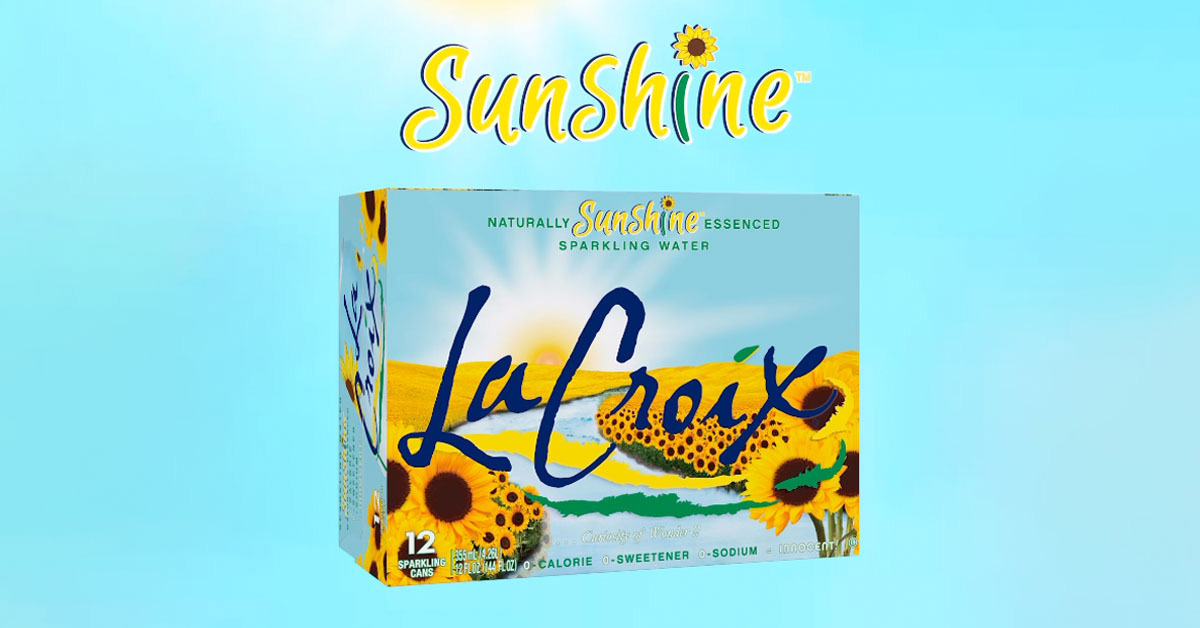
| | | | Summer isn’t over yet, according to sparkling beverage maker LaCroix. The bubbly water company announced a seasonal mystery flavor this week with the essence of Sunshine in it. No other details were released about what exactly sunshine tastes like other than an equally cryptic tagline: “The Curiosity of Wonder.” The new flavor launch comes just as LaCroix announced a Mojito flavor coming this fall as well. We suppose it's a better-late-than-never approach to extending summer’s flavors into autumn, rather than debuting pumpkin spice in July. |
|
| Your BevNET CPG Media Subscriptions You're currently subscribed to newsletters from BevNET CPG Media. To change which newsletters you receive, update your preferences - don't miss out on topics you care about. | |
| |
|
| | | |
|