| | | | | | In today’s issue | 🦊 Brands React To The Foxtrot Fallout • 🥣 General Mills Getting Out Of The Yoplait Game • 🤔 From Vegan To Regen: Restaurants Heel-Turn • 🚫 DayDayCook Faces Potential Delisting • 🤝 Bygg Foods CEO Launches Consultancy |
| 📰 Today's Top Story | | | Story Update: As you’re receiving this, key working capital lender Ampla is desperately working on a deal to try to save the company. We reported on Ampla’s condition this morning. According to an email to BevNET from Ampla CEO Anthony Santomo, the company isn’t selling its book of loans – but “we don't discuss active deal conversations.” The news comes after several weeks of activity that raised concern among individual clients while the fintech lender worked to fight off a collapse. What does this mean? Ampla serves as an important source of working capital for early stage food and beverage entrepreneurs, meaning that its fragile state could create a mass disruption in the CPG community. The lender claimed to handle a run rate of more than $6 billion in transactions on behalf of its clients, and to have extended $1.5 billion in loan originations. But brands with existing credit lines through Ampla are already being told to repay their receivables. Meanwhile, Ampla has stopped opening new accounts and is demanding that many of its clients with outstanding loans repay them. How far could an Ampla collapse be felt? The lender has hundreds of CPG clients that rely on its services for short term capital. Those with small cash reserves often draw from it for working capital expenses like payroll, ingredients or finished products. CPGs also use the platform’s services to receive payments from distributors like UNFI and KeHE as well as online selling platforms like Shopify. Having a disruption in those accounts could also create painful delays in the billing and payment capabilities for many of those brands. Read the full story on Nosh to learn more about Ampla’s attempt to find a “soft landing” and details on how it got to this point. |
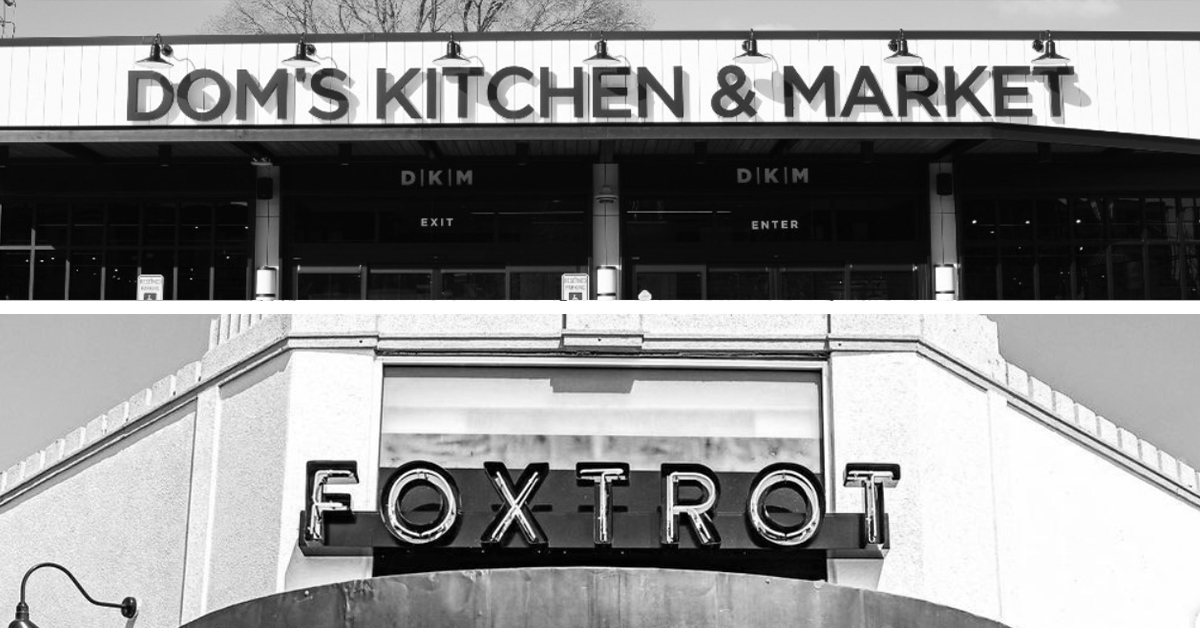
| | ✨ What You Need to Know ✨ | | | When Outfox Hospitality abruptly shuttered its doors last week, it left a lot of CPG brands caught in the fray, including many emerging brands and new product concepts. Now, as the initial dust settles, many feel as if the industry has lost a major stepping stone account. 🔃 One-year-old Hotpot Queen was preparing to launch into the modern c-store chain last week when the news broke; it is now working to reroute inventory and activate new retail partnerships via Pod Foods. 🍫 Date-sweetened chocolate bar startup Spring & Mulberry credits the retailer for helping it work out its ideal format and the business’ fundamentals after a buyer nudged it in a new direction. 🍒 For Heywell, which was in the process of co-creating another LTO flavor with Foxtrot, news of the closure means pivoting on that product’s launch and distribution strategy. ⚓ And Mooski, the fresh granola bar brand that was halfway through a marketing and sampling activation, is now shifting its focus to build up volume potential for its anchor distribution centers while salvaging remaining demo opportunities. Check out the full story for more on the after effects of this fallout and why many believe the innovations supported by the defunct chain are “totally fundamental to commerce." |
| | | Snack and cereal maker General Mills is said to be exploring the sale of its North American yogurt business, including the Yoplait brand, in a potential divestiture that could be worth over $2 billion, according to a report from Reuters. The Cheerios, Bisquick and Pillsbury maker is reportedly working with JPMorgan Chase to gauge interest in the yogurt lines (Yoplait, Liberté and Oui by Yoplait) among private equity firms or other food makers. 🤞 Sources familiar with the matter told Reuters that General Mills is hoping for a valuation of nearly “10 times the unit's 12-month earnings before interest, taxes, depreciation and amortization of about $250 million.” 📊 Recently, General Mills has seen lackluster earnings with price-hikes tempering the damage of slower volume growth in the back half of last year. Organic net sales were down 1% in the company’s Q2 2024 report in March with sales flat in the North American Retail segment. What is going on in yogurt? Campbell’s is reportedly looking to divest its Noosa brand after acquiring it in the Sovos Brands deal, Chobani has diversified into coffee with the acquisition of La Colombe, and Danone sold its Wallaby yogurt and Horizon milk brands to PE firm Platinum Equity at the beginning of the year. We will be keeping a close eye on this one as the news ferments. Stay tuned to Nosh. |
| | | | | Sharing your news, product releases, and new hires with the Nosh community is now easier than ever! With our new self-serve press release portal, you can get your press release / news posted more quickly with increased control over formatting AND the ability to make changes after publishing. Plus, we've expanded our coverage to include wine, suppliers, service providers, and more.
|
| | | Is it a sign of the times that a Los Angeles-based vegan restaurant is changing its sourcing practices and menu options from animal-free to animal-product-inclusive, regeneratively-grown foods? Sage Regenerative Kitchen & Brewery (formerly Sage Vegan Bistro) is to “high-quality protein” from regenerative farms, said chef Mollie Engelhart. 😤 The news broke on social channels last week with many people responding with frustration that Sage would now be offering beef, bison, cheese and eggs across all three locations in Culver City, Pasadena and Echo Park. 🌎 The move is to align the enviro-sustainability-minded restaurant chain more closely with combating climate change. 🧐 The decision also makes economic sense as it opens the establishment up to a broader consumer base as well as increasing ingredient margins. According to the L.A. Times, a number of formerly vegan restaurants have either closed or shifted to adding sustainably sourced animal products to menus. |
| | | Emerging CPG portfolio business DayDayCook (DDC) has received a noncompliance notice from the NYSE American after it dropped below the exchange’s listing standards; DDC is required to have stockholders’ equity of $2 million or more if it has reported losses from continuing operations in two of its three most recent fiscal years.
⏩ The company faces potential delisting if it doesn’t submit a plan of compliance by May 23, 2024, outlining how it will regain compliance by October 23, 2025. If the plan is accepted by the Exchange, DDC will be subject to quarterly monitoring. 👀 In the meantime, the company’s shares will continue to be listed on the NYSE American. ⏪ Founded in 2012, Hong Kong-based DDC is a CPG portfolio business specializing in Asian food brands, thanks in part to its fast-expanding U.S. business. Last year, the company acquired Nona Lim and Yai’s Thai. |
| | | Smári Ásmundsson, the founder and CEO of upcycled barley brand Bygg Foods, has launched CPG consultancy firm Nordic Navigators. In a LinkedIn post, Ásmundsson said the passion project is “dedicated to guiding entrepreneurs through the thrilling ride of turning their CPG vision into reality.”
⏪ Ásmundsson has more than a decade of CPG experience, having launched his first food and beverage venture, the eponymous Smári Organics, in 2010. The company’s portfolio included Icelandic yogurt and ready-to-drink protein coffee before it shuttered in 2022 due to the impacts of the pandemic. ⏩ In 2023, Ásmundsson launched NØRSE CØDE by Bygg Foods, a line of plant-based protein powders crafted with upcycled Barley. 💭 “With over a decade of launching successful brands, I bring a wealth of knowledge to the table. My aim is to help founders like you avoid costly mistakes and launch confidently,” wrote Ásmundsson in the LinkedIn post. |
|
| Your BevNET CPG Media Subscriptions You're currently subscribed to newsletters from BevNET CPG Media. To change which newsletters you receive, update your preferences - don't miss out on topics you care about. | |
| |
|
| | | |
|