| | | | | In this issue of Daily Briefing | - 🍫 Chocolate Co. Changes Channels
- 📈 Protein Demands Support SGFC
- 🛗 Up Next On Elevator Talk…
- 🤐 Tariff Thursday?
- 🧑⚖️ Updates In PepsiCo's Pricing Case
- 🏭 Manufacturing Moves
- 📉 DDC Stock Falls Amid Chaos
- 🚢 Tariff Turmoil For Small Brands
|
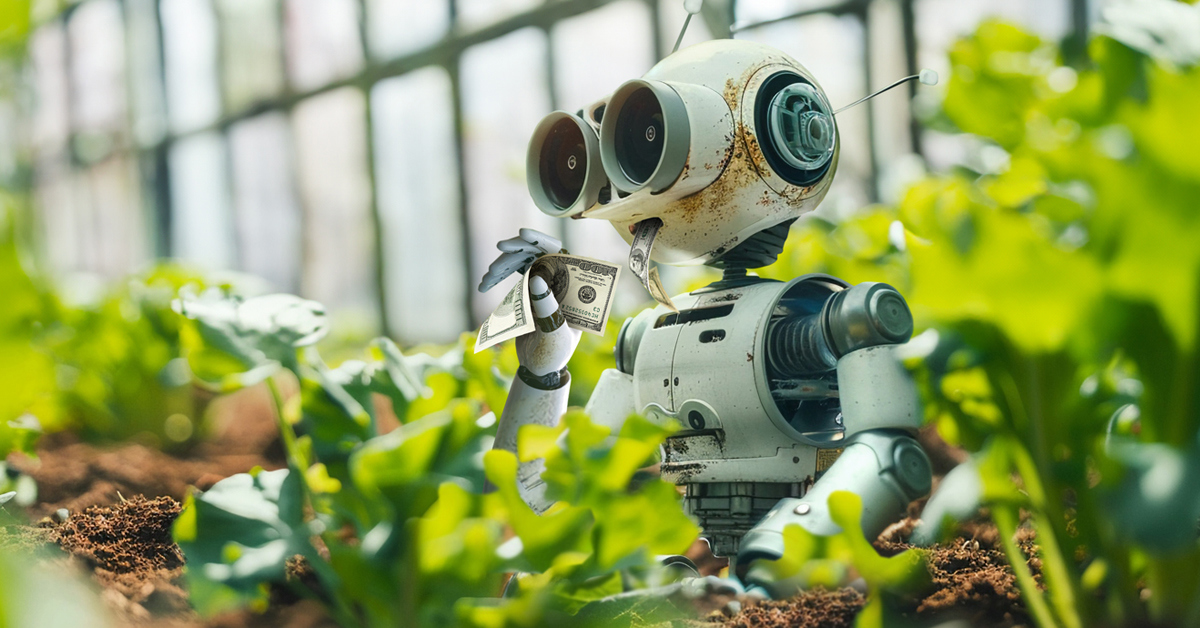
| 💭 Today’s Big Take | | | Food tech has been characterized by futuristic innovations like 3D-printed edibles or fully automated production facilities filled with robots stacking boxes. But vertical and indoor farming is one sector that hopes to leverage technology to address modern inefficiencies. - Similar to alternative meat and dairy, agritech (which encompasses a broad array of tech for both indoors and in outdoor fields) rode the boom of VC investment between the late 2010s to early 2020s.
- Despite the investor buy-in that peaked at $61.2 billion in 2021, the agritech sector hasn’t fulfilled its grandiose claims about changing a broken food system nor has it brought in the lofty returns expected from institutional investors.
Is innovative farming tech a total bust, or is the sector just reckoning with its own overly ambitious goals? Companies “raised too much money at too high of valuations,” said EcoTech Capital managing director Adam Bergman. “People don’t appreciate how difficult it is to scale a vertical farm facility. When you are building one of these facilities, it can feel like whack-a-mole at times: you know what the issue is, you hit it and something new pops up.” Another problem has been a focus on the low-hanging fruits (or vegetables) that can be grown at-scale indoors: leafy greens and herbs. “What got overlooked was that traditional growing is far more cost-efficient, and so they picked the wrong battle,” said Rob Dongoski, global lead for Food and Agribusiness at management consulting firm Kearney. “As a consumer, what do I care about when I buy leafy greens? Every single time it's about taste and affordability.” That’s not to say there haven’t been success stories. Greenhouse-grown salad and herb farmers like Gotham Greens and Brightfarms have reached impressive scale over the years. Along with some big-name investors and acquirers, both have utilized value-add products like pesto, salad kits and dressings to make a name for themselves as CPG brands along with producing leafy greens competitively priced to conventionally grown operations. In vertical farming the uphill climb has been more stark. Highly-capitalized operations like Upward Farms, AppHarvest and Bowery all shuttered in the last two years. Others like AeroFarms, Smallhold and, most recently, Plenty have all used Chapter 11 bankruptcy to restructure their respective businesses to grow in more realistic ways. How are vertical farmers scaling to bring climate-sensitive and high-value agricultural products to market? Share your thoughts with lsouthard@bevnet.com... Or just read the full story on Nosh. |
| | ✨ What You Need to Know ✨ | | | The past few years have not been kind to chocolate. Tariffs have tacked on another challenge to a list including high inflation and steep cocoa prices. 📚 Date-sweetened chocolate maker Spring & Mulberry was founded in 2022 and has been steadily learning lessons on scaling since the era of pandemic uncertainty. 🛍️ The brand launched into Nordstrom last month, deploying a distribution strategy using department stores and wine retailers to build momentum in grocery and ecommerce. 🤓 Spring & Mulberry has also found a sweet spot “right-sizing and right-pricing” its chocolate bars to reach a broader audience of consumers. 💄 The brand has found that there’s a “lipstick effect” for its premium-positioned chocolate as consumers look for “little luxuries” amid inflated grocery prices. Read the full story on Nosh for all of the insight into its growth strategy. |
| | | The Simply Good Foods Company (SGFC) saw double-digit net sales growth in Q2, primarily driven by the “mainstreaming of consumer demand” for high-protein, low-sugar, low-carb foods and beverages, per its earnings report released Wednesday. Here are some key numbers: - Overall net sales climbed 15.2% year-over-year to $359.7 million, including $33.8 million from the OWYN brand.
- Net income rose from $33.1 million to $36.7 million.
- Adjusted EBITDA grew 18% to $68 million, reflecting favorable commodities and strong cost discipline.
💭 Despite looming tariffs and inflationary headwinds, CEO Geoff Tanner expressed confidence in the future: “Obviously, it’s a dynamic time with a lot of uncertainty and pressure on consumer sentiment. But with that said, by far the majority of our products are made and sold in the U.S.” Insiders can read the full recap on Nosh. |
| | | The latest episode of Elevator Talk features leaders from BE3 Energy Cubes, The Flavorsmith, Terranean, Sphere Snacks and Masala Gossip. Watch founders and CEOs introduce their brands and provide a recap of recent news and updates. This week’s special co-host is Elisa Croft, the co-founder of First Friday CPG, who shared her thoughts, questions and feedback with the participants. She is joined by Ray Latif, the editor and producer of the Taste Radio podcast. Watch the episode now. |
| | | Every day of the week is Tariff Day, so it now seems. Trump walked back his “Liberation Day” tariff plan on Wednesday, pausing levies for at least 90 days and giving nations around the world a slight reprieve from the unique fee rates he implemented this time last week. - China is the one exception to the pause and will now be slapped with a 125% duty.
- Although the tariff plan has been paused, all nations will still be subject to a universal 10% tariff.
⁉️ What does this mean? Well, that's a loaded question that top economists likely can’t even answer. There still remains a high probability that Trump will reinstate the plan after the 90 days are up (a.k.a. July 9,2025). There’s also a chance he could abandon his napkin math altogether. Quite literally, only time will tell. 🏭 For now, most food manufacturers will still face increased costs, due to reciprocal tariffs and, for many, from fees on China-sourced packaging. - Over the past few weeks Nosh has spoken with a handful of well-established, mid-sized food businesses who warned that due to limited packaging solutions in the U.S., they are unable to onshore this portion of their supply chains.
- The vast majority of these inputs are produced and sourced from China.
- They all noted that increased packaging costs will put a large, and, for some, potentially lethal, strain on their businesses depending how long the tariffs remain in place.
Go Deeper: How Burlap & Barrel Is Navigating Tariffs |
| | | Snack maker Frito-Lay and parent company PepsiCo have asked a judge to dismiss a case alleging they illegally favored large retailers over indie shops when selling their salty snacks. ⏪ #ICYMI: In February, a pair of California convenience stores – Alqosh Enterprises Inc. and NMRM Inc. – filed a class action claiming Frito-Lay charges “illegally high” net prices when compared to rates given to chain grocers like Albertsons, Safeway and Walmart. 📝 In Monday’s motion to dismiss, Frito-Lay and PepsiCo claim the suit fails to identify the details of any sale to the allegedly favored chain stores, reported Law360. - The motion also claims that, under the Robinson-Patman Act, plaintiffs must show “contemporaneously” sales at the wholesale level since retailers can “resell a product around the same time even if they purchased it months or years apart.”
💭 “The complaint relies on vague assertions and legally deficient comparisons between plaintiffs’ wholesale prices and their alleged competitors’ retail prices – an apples-to-oranges comparison that does not establish actual, contemptuous sales by Frito-Lay,” reads the motion. 🥤 The CPG giant is also wrapped up in a similar case brought by the FTC over pricing in its soft drink business. Catch Up: Indie C-Stores Allege Frito-Lay Price-Fixing |
| | | 🌿 Victory Hemp Foods has activated what it claims to be North America’s largest hemp heart protein and oil processing line to meet the demand for its Victory’s V-70 protein and V-one Oil. By 2030, the brand plans to source 20,000 acres of hemp, generating $18 million annually for local farmers. 🍫 Confectionery and snacking giant Mondelēz International has invested approximately 65 million Swiss francs (USD $77.6 million) in its Toblerone manufacturing facility in Switzerland. The new production line will be active by this fall. Additionally, Mondelēz is upgrading site infrastructure and logistics to upscale its chocolate and nougat-making capabilities. |
| | | DayDayCook (DDC)’s share price fell below $0.10 on Friday, leading the NYSE to halt trading of its stock, founder, CEO and chairwoman Norma Chu shared in a letter to shareholders today. The Asian food company and content creation platform’s board unanimously approved a 1:25 reverse stock split over the weekend, and Chu expects it will return its business to the public markets by April 21. - Chu emphasized that DDC is “well-insulated” from the current market uncertainty, noting that 80% of the Hong Kong-based company’s revenue comes from the China domestic market.
- Its export business is focused on Southeast Asia (not the U.S.), she added, and its recently announced joint venture is expected to further accelerate growth in its core market.
- Chu said the U.S. contributed 20% of revenue in 2024 and it expects this arm to remain “a smaller, stable contributor” with a separate U.S.-based supply chain.
🗣️ “Market fluctuations often obscure fundamentals. Today, DDC is stronger operationally, financially, and strategically than at any point in our history. Our China-centric model, fortified by strong local demand and regional exports, offers stability and growth in uncertain times,” Chu said in the letter. Go Deeper: DayDayCook Looks To China, Bitcoin For New Growth |
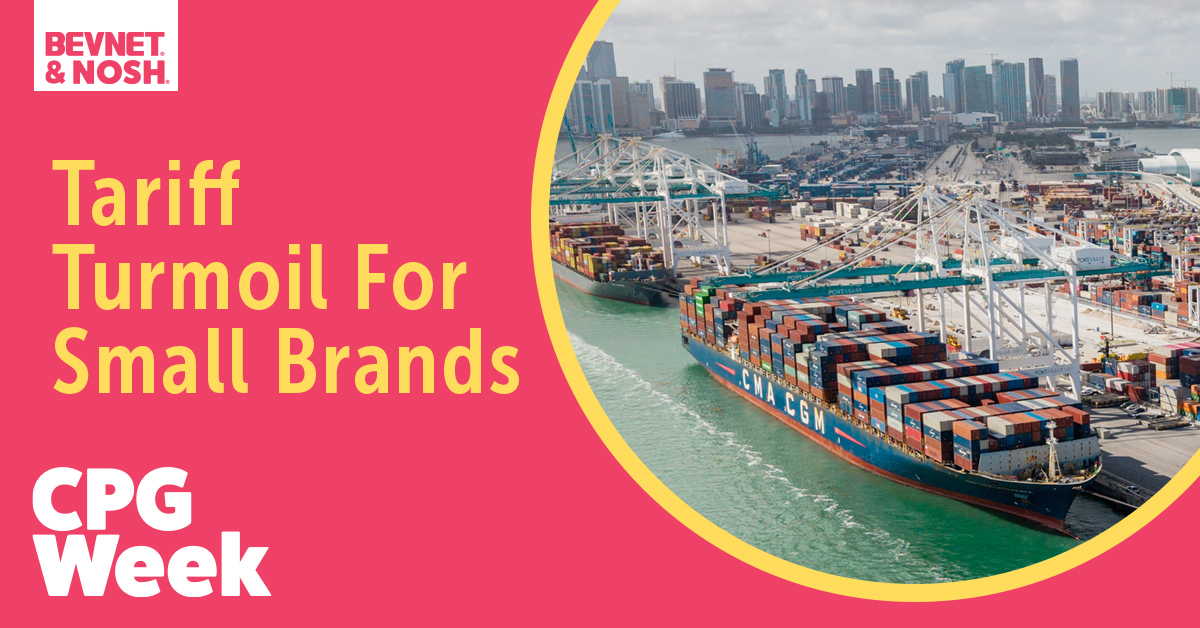
| | 🎙️ Now Streaming: CPG Week | | | On this episode of CPG Week, the podcast team discusses how the continuously changing landscape of tariffs is impacting small food and beverage brands. - The podcasters spoke with several founders to hear how they are planning to keep their businesses afloat amid an escalating global trade war.
- From reducing trade spend to tariff-related spring sales, CPG brands are facing an uncertain future of higher input costs as sourcing ingredients and packaging becomes increasingly expensive.
Click here to listen to this week’s episode. Also available on Spotify and Apple Podcasts. |
| | |
That's all for today's Daily Briefing. We'll be back in your inbox tomorrow. |
|
| Your BevNET CPG Media Subscriptions You're currently subscribed to newsletters from BevNET CPG Media. To change which newsletters you receive, update your preferences - don't miss out on topics you care about. | |
| |
|
| | | |
|