| | | | | | In today’s issue | ⏪ Nosh Live: GLP-1s and CPG • 🤝 Advent to Acquire Sauer Brands • 🧑⚖️ Danone Slams Lifeway CEO • 🤝 Jenny Craig Owner Buys Ancient Nutrition • ❌ Real Good Foods Delisted From Nasdaq • 🏈 Bo Knows… Beverages? Of Course He Does. |
| 📰 Today's Top Story | | | The U.S. Food and Drug Administration (FDA) is not renowned for its speed (or ability to meet deadlines), but it appears the agency is kicking off 2025 with a “new year, new me” attitude, releasing not one, but five guidance documents on Monday, the first official work day of the new year (because, let’s be honest, last week didn’t count). First up on its to-do list (and for good reason): lead limits for processed food intended for young children and babies. Here’s the mandate of acceptable levels: - 10 parts per billion (ppb) for fruits, vegetables (excluding single-ingredient root vegetables), mixtures (including grain- and meat-based mixtures), yogurts, custards/puddings, and single-ingredient meats
- 20 ppb for single-ingredient root vegetables (think: carrots, beets or potatoes)
- 20 ppb for dry infant cereals
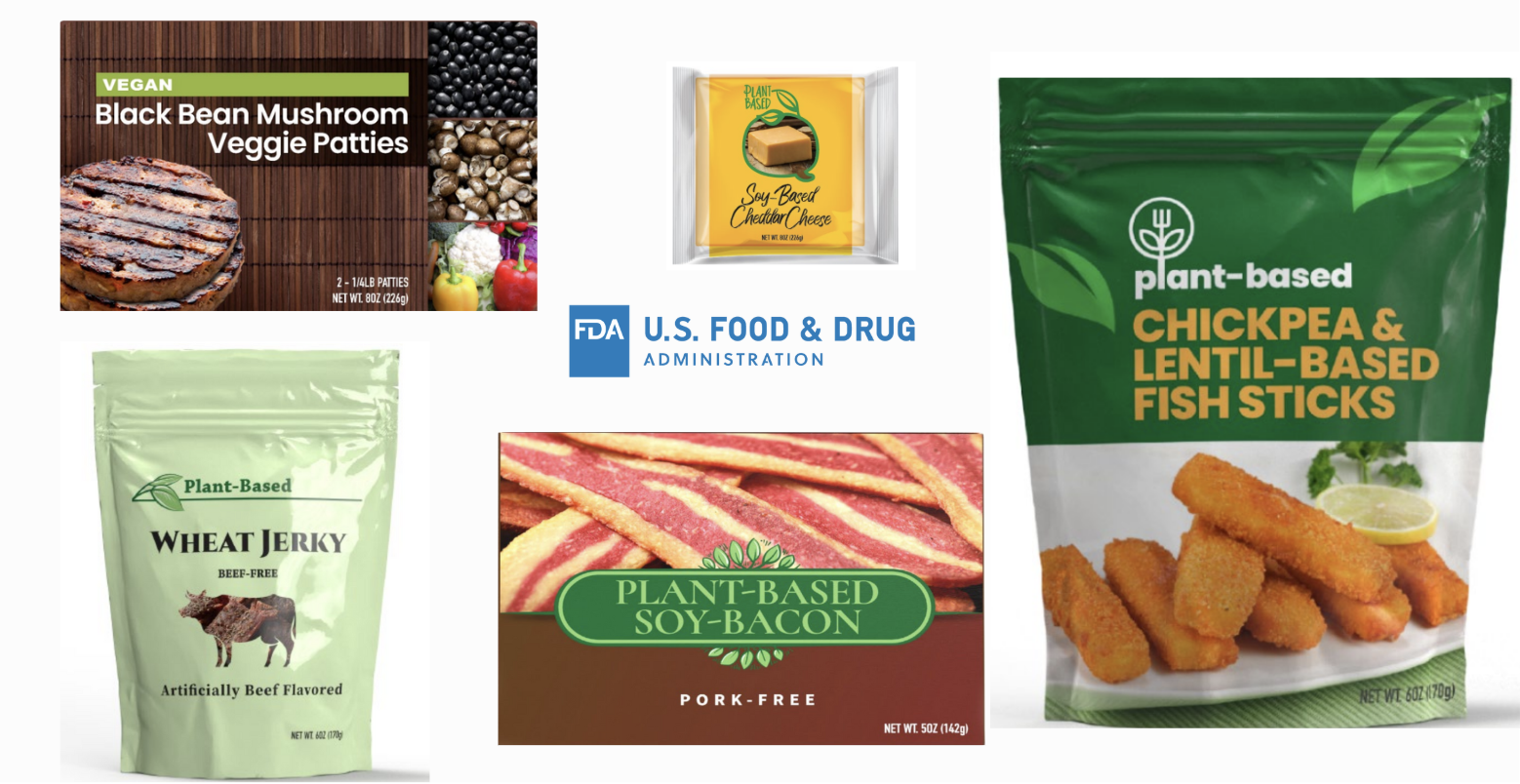
However, the final guidance does not cover other kid products that have been flagged for contaminants (whether that be heavy metals or bacteria) such as infant formula, beverages (though juice has its own set of action levels) and snacks like puffs and teething biscuits (a format that was detected for its high heavy metal contents in 2021). Beyond heavy metals, the agency also released final guidance on food allergen labeling, a directive for FDA staff on labeling for other major food allergens, sanitation suggestions for Low Moisture Ready-to-Eat (LMRTE) foods and a draft on how to label plant-based alternatives to eggs, seafood, poultry, meat and dairy products (excluding plant-based milk alternatives). Let’s get into the latter. First, to be clear, this is guidance rather than a requirement; however, per the FDA’s findings, it highly recommends that producers clearly call out the primary plant used to make the alternative. - The agency emphasizes that the plant material (whether that be a bean, legume, mushroom, seed or starch) is one of the most important qualifying aspects of the claim, second to the product type itself (such as burger, nugget, etc).
- Terms such as vegan, meat-free or animal-free along with modified callouts such as “Chik’n” are acceptable as long as the plant source is clearly identified so that consumers can distinguish the product from other plant-based alternatives.
“The statement of identity must be presented in bold type on the principal display panel in a size reasonably related to the most prominent printed matter,” the guidance notes. “The labels of many products prominently display brand names and statements that the food is plant-based but do not conspicuously disclose the nature or source of the food. Consumers should be able to readily observe this information when reading the label.” Go Deeper On FDA Actions: FDA Adds ‘Healthy’ To Its Dictionary |
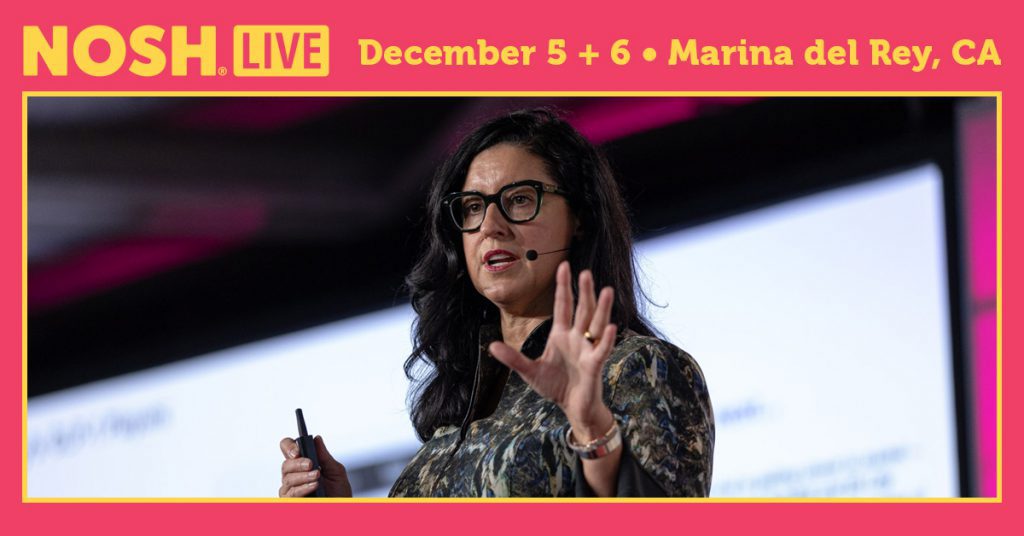
| | ✨ What You Need to Know ✨ | | | GLP-1s are rapidly changing the industry as food manufacturers have scrambled to better understand how the rising popularity of these weight loss drugs will impact consumer buying habits. 💉 At Nosh Live, Sherry Frey, VP of Total Wellness at NielsenIQ, detailed the expansion of GLP-1 drugs among various demographics, including a rising number of lower-income consumers, and tracked how purchase patterns evolve for users over time. 🎥 Watch the full video to learn more how food businesses can brace for the growing adoption of weight loss drugs and where opportunity lies across the marketplace. |
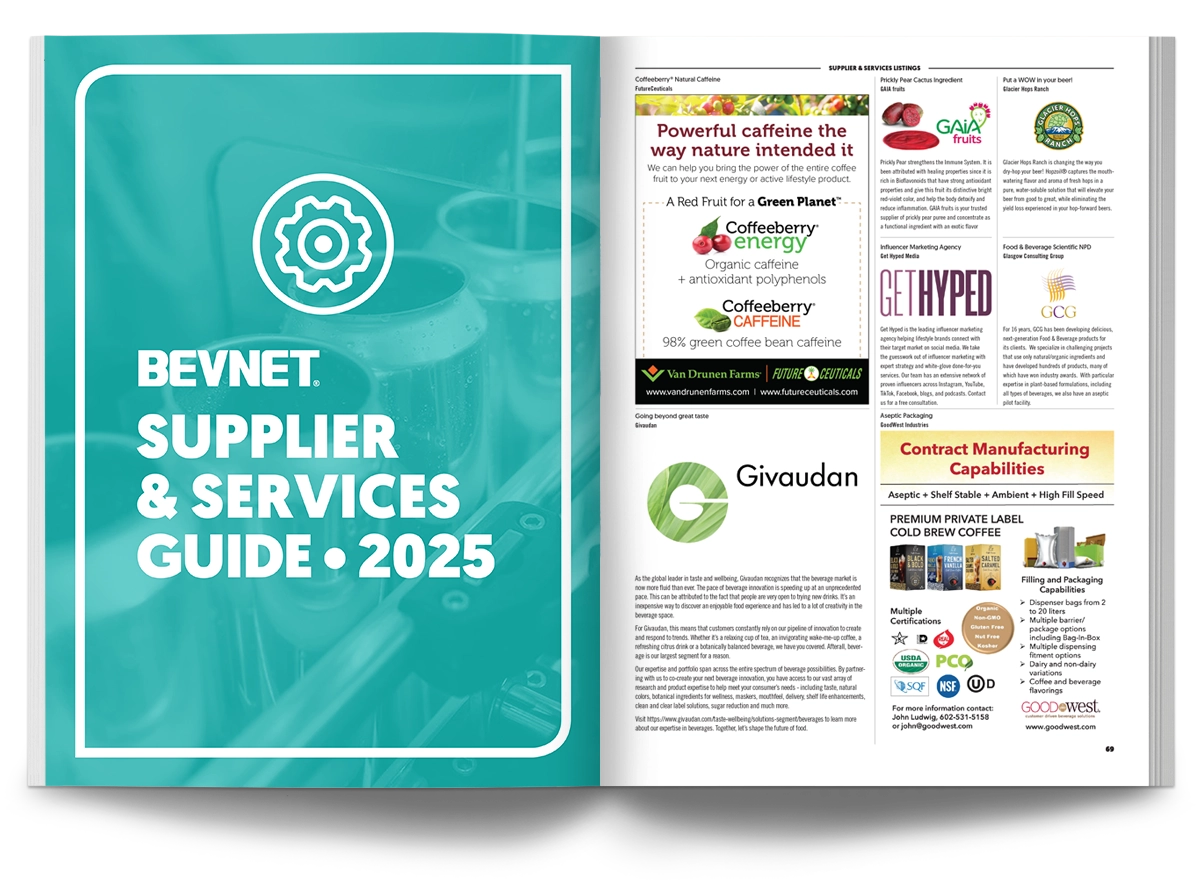
| | | | This is your last chance to secure your spot in BevNET’s 2025 Supplier & Services Guide — an essential resource for beverage, food, and craft beer brands seeking partners in the year ahead. Published in the Jan/Feb issue of BevNET Magazine and promoted across BevNET.com, Nosh.com, Brewbound.com, and our daily newsletters, your listing will reach over 30,000 industry professionals. The final deadline to purchase your listing is January 9. |
| | | Global private equity firm Advent International announced Monday it has entered into an agreement to acquire Duke’s Mayo maker Sauer Brands from Fulfurrias Capital Partners for an undisclosed amount. 🤑 The deal values Sauer Brands at roughly $1.5 billion, according to Bloomberg, citing people familiar with the matter. The transaction comes after rumors swirled last month that McCormick & Co. – the owner of Frank’s RedHot, Cholula and French’s – was in talks to buy the company. ⏪ Founded in 1887 as The C.F. Sauer Company in Richmond, Va., Sauer was acquired by Fulfurrias Capital in 2019. Today, the platform houses brands like Kernel Season’s, Mateo’s Gourmet Salsa and The Spice Hunter. 🗣️ What they said: “With a more than 135-year history, Sauer Brands has established itself as a standout player in the highly attractive condiments and seasoning category. Despite its long history, we believe the company is still in the early innings of growth.” - Tricia Glynn, managing partner at Advent International Insiders can learn what this means for the future of mayo, spices and seasonings in the full story on Nosh. |
| | | Despite strong sequential growth over the past year, Chicago-based kefir king Lifeway can’t seem to escape from a spiraling leadership drama centered around CEO and board chairwoman Julie Smolyansky. The latest chapter sees dairy giant Danone North America claiming Smolyansky violated a 1999 Shareholder Agreement when she awarded herself nearly 300,000 shares last month. 📈 The dispute is tied to Danone’s attempts to acquire the brand in-full last fall; Lifeway rejected Danone’s September 2024 acquisition offer, priced at $25 per share, and then rejected an improved offer in November priced at $27 per share, or around $306 million. - Citing an independent analysis, Lifeway said those proposals "severely undervalued” the company, though the board remained open to the possibility of a sale.
❌ That analysis provided the basis for the Lifeway board to grant the CEO 283,337 new shares of company stock in December without Danone’s required approval, per the Shareholder Agreement. The kefir company is countering that the agreement is superseded by Illinois law, and thus cannot be (and should have never been) enforced. 💸 Danone’s letter showed signs of long-simmering rancor with Lifeway’s leadership, pointedly noting “this is not the first occurrence of the board allowing Ms. Smolyansky’s personal interests to trump those of the company and its other shareholders.” Read the full story on BevNET. |
| | | Wellful, Inc., an omnichannel health and wellness platform, today announced its acquisition of supplement maker Ancient Nutrition from VMG Partners, Hillhouse Investment and other shareholders. Financial terms were not disclosed. 💪 Ancient Nutrition offers a line of powders spanning categories including protein, gut health, super greens and collagen. CEO Colt Morton will continue to lead the business under Wellful’s direction. 🩺 A Kainos Capital portfolio company, Wellful owns a range of brands including Jenny Craig, Nutrisystem, Doctors Preferred, Nugenix, LifeBiome and others. The addition of Ancient Nutrition is expected to expand its distribution footprint into natural retail. |
| | | Beginning the new year by being kicked off a stock exchange is not the best way to start fresh. Frozen and refrigerated food maker Real Good Foods has received a notice from the Nasdaq that it has been delisted after failing to file periodic financial reports. 📝 As a result, Real Good Foods common stock will be traded on the Pink Open Market – or “pink sheets” – starting today. Last week, the company announced a 12-to-1 reverse stock split in an effort to regain compliance to the minimum bid price required by Nasdaq. ✉️ The company first received notice of its failure to file quarterly earnings on time in June and another notice in September threatening a delisting. 🍕 Launched in 2016, Real Good Foods started as a low-carb, high-protein frozen pizza brand. Over the years it expanded into other snacks and meals and opened a second production facility in 2022. |
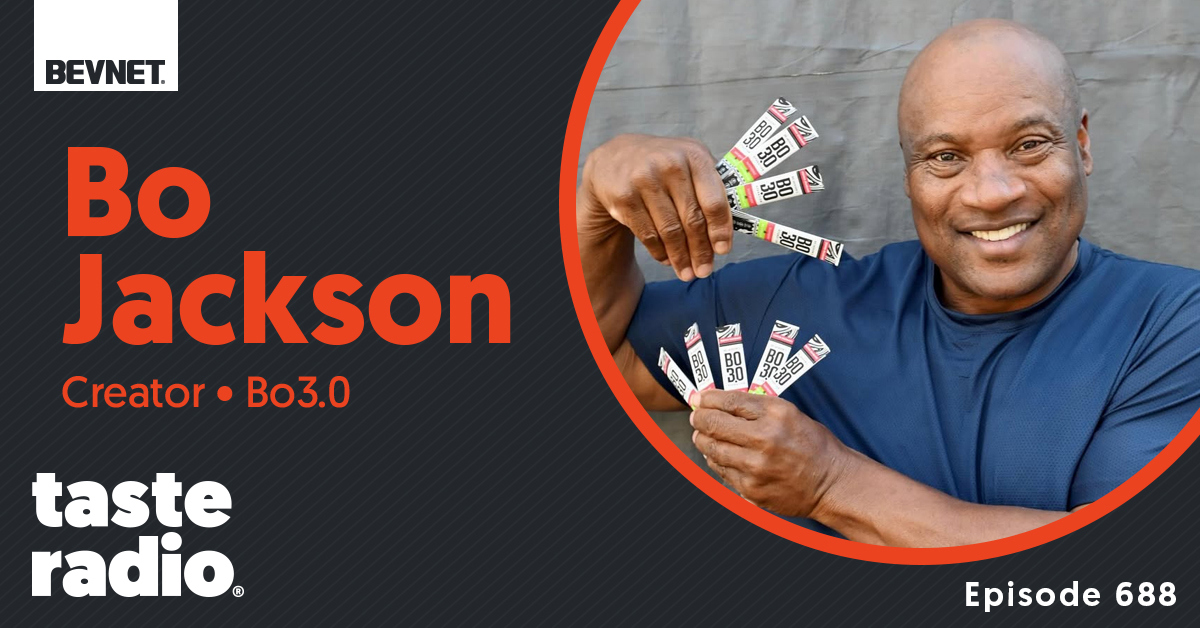
| | 🎙️ Now Streaming: Taste Radio | | | Bo Jackson, the multi-hyphenate sports icon and one of a handful of athletes to play both professional football and baseball, is tackling perhaps his biggest challenge yet – the beverage industry. Listen to the episode now. |
|
| Your BevNET CPG Media Subscriptions You're currently subscribed to newsletters from BevNET CPG Media. To change which newsletters you receive, update your preferences - don't miss out on topics you care about. | |
| |
|
| | | |
|