| | | | | | In today’s issue | 🎈 A Bite With Oddball • 🧊 Beleaf Freezes Pricing • 🏈 Josh Allen, CPG Investor? • 🍪 Regional CPG Talks DC Downturn • 🤝 Feast & Fettle Acquires IPSA • 🔵 Agrovision Rebrands As Fruitist • 🍅 Vision & Virality — How Sauz Became One Of The Hottest Brands In CPG |
| 📰 Today's Top Story | | | Elon Musk’s Department Of Government Efficiency (DOGE) continues to gut the federal workforce – including cutting nearly 20,000 Health and Human Services (HHS) Department staffers over the past month. - As a reminder, HHS is composed of the U.S. Food and Drug Administration (FDA), Centers for Disease Control and Prevention (CDC) and The National Institute of Health (NIH), and is overseen by current secretary Robert F. Kennedy Jr.
One recent, high-profile departure didn’t get DOGE’d, but he is pointing a finger at one controversial individual in the administration. Kevin Hall, the NIH’s lead researcher studying the impact of ultraprocessed food (UPFs) on human consumption behaviors and health, announced an early retirement from the institute last week citing censorship by the administration. (If Hall's name sounds familiar, it's because he was the primary source referenced throughout our coverage of where the science falls short on UPFs). “Unfortunately, recent events have made me question whether NIH continues to be a place where I can freely conduct unbiased science,” Hall said in a post announcing his departure. “Specifically, I experienced censorship in the reporting of our research because of agency concerns that it did not appear to fully support preconceived narratives of my agency’s leadership about ultraprocessed food addiction.” Hall’s team was about to publish a paper that said it did not identify a link between UPFs and addiction, he explained on CNN. But the team was not allowed to publish a press release about the findings and was not permitted to sit for an interview with the New York Times about the study. Later, while responding to written questions provided by the reporter, Hall’s answers were changed and attributed to him by an NIH communications director. "I don't think they understand what censorship means,” Hall told CNN. He said the updated responses were recognizably different from the information he originally provided and attempted to downplay the study’s size and its findings. The paper’s findings run contrary to the narrative of UPFs shared and promoted by Kenndey that these foods “hijack a reward system of our brain” to become addictive like “cocaine or methamphetamine.” “That doesn't seem to be at work here… it's a study that we did in 50 people, and we gave them ultraprocessed milkshakes, and looked into their brains and to see what the effects were, and we reported the results exactly like they were,” he explained on CNN. “We said this doesn't mean that these foods aren't addictive for some people. It just means that this particular biological mechanism is probably not the one at work.” Hall cautioned the public against buying into the current narrative around UPFs, which often see federal officials like Kennedy pointing to single inputs – such as synthetic food additives or seed oils – as the sole cause for the U.S.’s high rates of diet-related disease. As the Make America Healthy Again (MAHA) Commission digs its claws into a range of food policy concerns and controversial topics – including stating earlier this month it will find the cause of rising autism rates by September 2025 – experts like Hall are hoping the Administration upholds “gold-standard science.” We got an early (and uncensored) look at the findings in Hall’s paper earlier this year. ICYMI: What The Science Says, And Where It Falls Short on Ultraprocessed Foods |
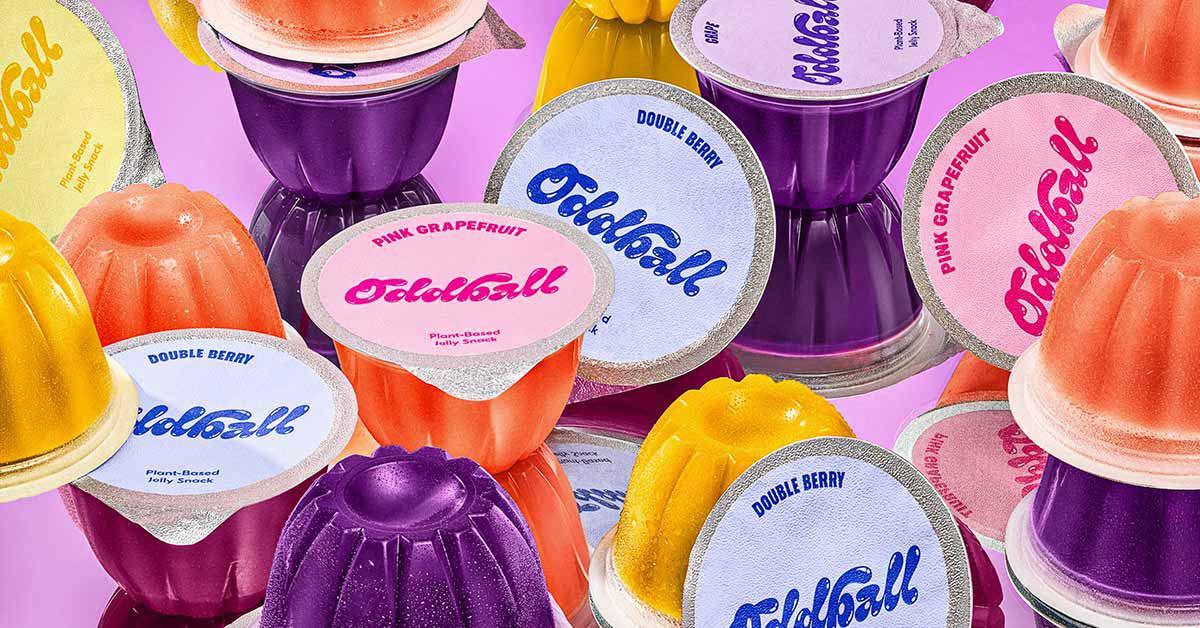
| | | ✨ What You Need to Know ✨ | | | Forget the soda wars; look out for the clash of the JELL-Os. Well, not quite, but there is a new entrant to the jelly-based sweet snack category with plant-based brand Oddball. Amid its Sprouts Farmers Market launch last week, Oddball’s founder Sophia Cheng spoke with Nosh about why she believes there is opportunity in the vegan fruit-based jelly space. - Cheng hinted at “not wanting to reinvent JELL-O,” but instead trying to provide an alternative to junk food.
- Using agar and locust bean gum as its binder, the brand picks up on a trend of using Asian alternatives to gelatin (we see you, konjac) in a variety of food categories.
🍫 The launch lined up well with JELL-O’s own plant-based play, with parent co Kraft Heinz launching a vegan chocolate iteration of its iconic pudding cups just last week Check out the full Q&A on Nosh. |
| | | Plant-based seafood supplier Beleaf Corp. announced it would freeze all pricing at current rates for the next year as businesses navigate market uncertainty. 🍣 Beleaf produces allergen-free alternatives to shrimp, sashimi, calamari, lox and more to foodservice operators and retailers throughout the country. 💬 What they said: “Supporting our customers, big and small, is at the heart of everything we do. Freezing our prices for the next 12 months gives our partners peace of mind and a reliable path forward, no matter how unpredictable the market may become.” - Jason Chiu, Beleaf managing partner |
| | | Will De Soi, Graza and/or IQBar soon be getting a "tush push" on sales from Josh Allen? - The possibility is there with the announcement today that the Buffalo Bills quarterback is joining Cashmere Fund as a partner.
- The publicly traded VC fund uses its capital to make investments in private companies (like those we mentioned), offering distributions and twice-yearly redemption periods to its shareholders.
- Allen will be using his platform and his cash to support portfolio companies, according to Axios' Dan Primack.
|
| | | Washington D.C.-based bakery brand Whisked by Jenna has noticed a drop in sales as the impact of the economic slowdown in the area impacts consumer purchasing. 🛒 The regional cookie brand is sold at Whole Foods, MOM’s Organic Market, Yes! Organic Market and dozens of indie retailers and farmers markets throughout the Mid-Atlantic. 💬 “A huge part of our customer base is made up of government workers and contractors,” founder and CEO Jenna Huntsberger said in a Linkedin post, many of which (as we noted above) have lost their jobs due to Musk’s DOGE cuts. 🤝 “We’re fortunate to have incredibly loyal customers – people who literally tell me they shop at MOM’s or Whole Foods just to get our cookies. But at the same time, we’re also an easy item to cut from the grocery list when budgets get tight.” Go Deeper: How one CPG is navigating market uncertainty. |
| | | Meal delivery category consolidation continues. Feast & Fettle acquired New York City-based frozen meal brand IPSA Provisions, positioning the former for more growth in the Big Apple. 👀 Founded in Rhode Island, Feast & Fettle has moved deeper into the Northeast. The meal-delivery company expanded into Brooklyn in January and plans to launch into lower Manhattan this week. 🤑 The IPSA deal is the fourth acquisition for Feast & Fettle in the last four years and comes less than six months removed from rival meal-delivery company WECO Hospitality in December. 🚚 The meal-delivery category continues to be a moving target as brands like Daily Harvest and CookUnity align with the GLP-1 trend, while others go deeper into retail. Go Deeper: DTC Meal Kit Brands Find Second Act in Retail Expansion |
| | | Berry brand Agrovision is stepping closer to its roots, changing its name to Fruitist to embrace its flagship brand. The new name news also coincides with a new, high-value investor the Dalio Family Office (hedge fund manager Ray Dalio’s personal venture arm). 📈 The rebrand comes as Fruitist prepares for a new stage of growth, citing sales of $400 million in the last 12 months and $1 billion in revenue since it was founded in 2012. 🛒 The berry brand is in over 12,500 stores across North America, including Costco, Giant, Publix, Sprouts, Trader Joe’s, Walmart and Whole Foods, among others. 🍒 Fruitist started in blueberries but is moving into blackberries, raspberries and cherries as it brings its products to international markets in Asia and the Middle East. |
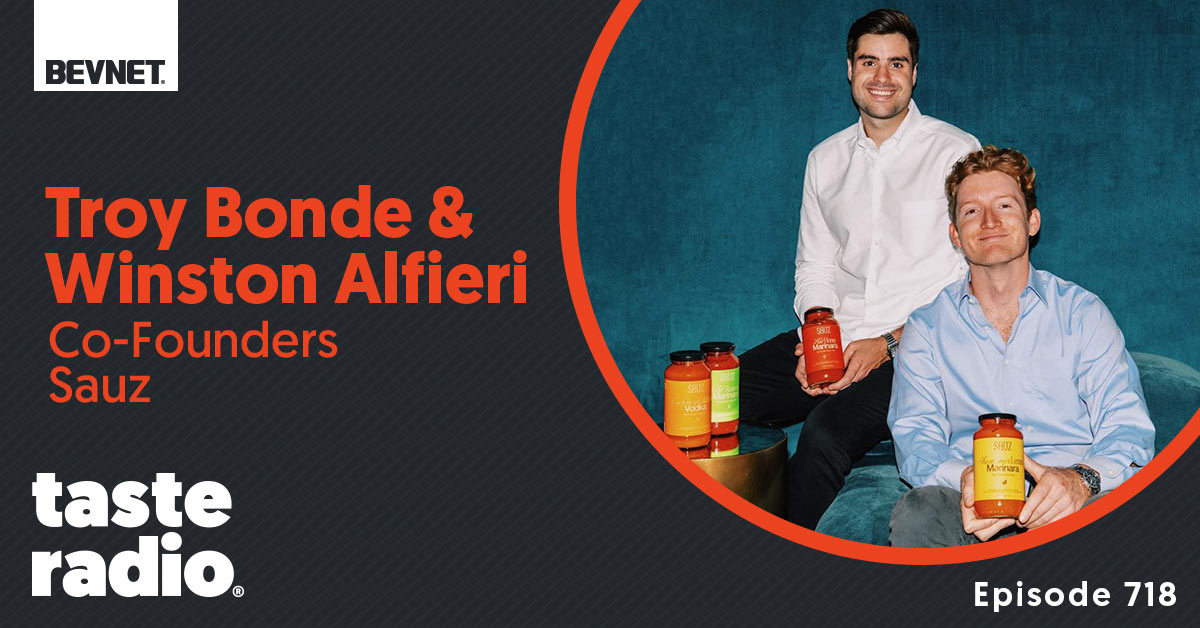
| | 🎙️ Now Streaming: Taste Radio | | | Troy Bonde and Winston Alfieri aren’t selling your father’s ragu. Instead, the 25-year-old co-founders of Sauz, a bold, culture-forward pasta sauce brand, are reimagining what it means to build a modern CPG company from the ground up. And, it’s working. Listen to the episode now. Also available on Spotify and Apple Podcasts. |
| | |
That's all for today's Daily Briefing. We'll be back in your inbox tomorrow. |
|
| Your BevNET CPG Media Subscriptions You're currently subscribed to newsletters from BevNET CPG Media. To change which newsletters you receive, update your preferences - don't miss out on topics you care about. | |
| |
|
| | | |
|