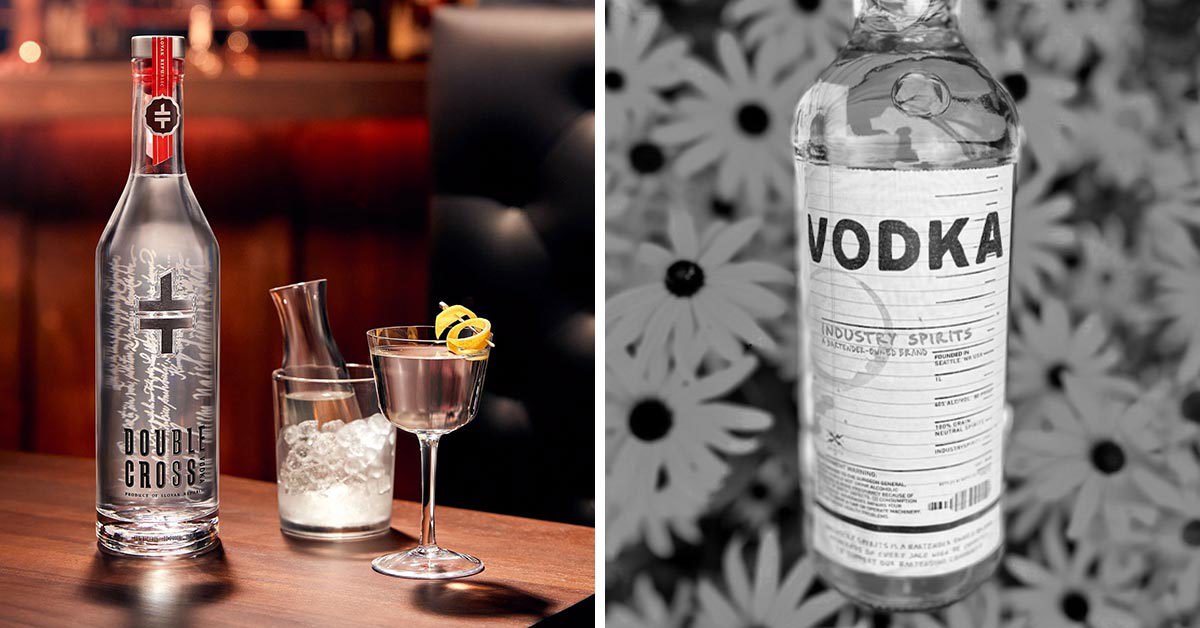
While some tariffs have been scrapped, spirits companies are still dealing with volatility – and reevaluating anything from pricing to supply chain to expansion. So how have two different vodka companies on the opposite end of the price spectrum navigated choppy waters, and how are they planning to eat the cost of tariffs or raise prices? According to insights released yesterday from Zappi, 61% of consumers would stop buying their favorite alcohol brands by the time prices rose 10%. Only 15% would stick around at any price. That means spirits brands are grappling with how to keep their prices steady – or if they raise them, to see how much they can take things uphill before the boulder rolls back over them. Double Cross Vodka, an ultra premium vodka made in Slovakia, is enduring a 10% tariff, but that’s not the only pressing global economic issue for the company. The compounding effects of freight rates, the weakening of the dollar, European VAT taxes, and the exchange rate are long-term concerns for CEO Harry McKaig. To improve cashflow, the company has negotiated new terms with its distillery. Higher end spirits (Double Cross is $35+) typically have a little more wiggle room as their consumers are less price sensitive – but on the back of inflation, Double Cross isn’t planning to raise prices. Although McKaig is still watching out to see what major brands do – if Grey Goose, for example, goes up 10%, Double Cross “could be leaving money on the table” by not going higher too. Meanwhile, before the truce on Chinese tariffs, pressure was on Andrew Friedman, CEO of Industry Spirits, to keep his value spirit prices down while dealing with higher glass and packaging costs. In the case of his Washington-made, well gin, vodka and rum, his previously-planned $2 per bottle price increase would’ve been a major blow to his mainly bar and restaurant customers, and that was still minimizing profit. But as we know, craft spirits entrepreneurs have always been scrappy and determined – and according to Friedman many of his peers have taken the opportunity to look at new bottle markets. We’ll have more about how each company is strategizing long-term on the site soon. |