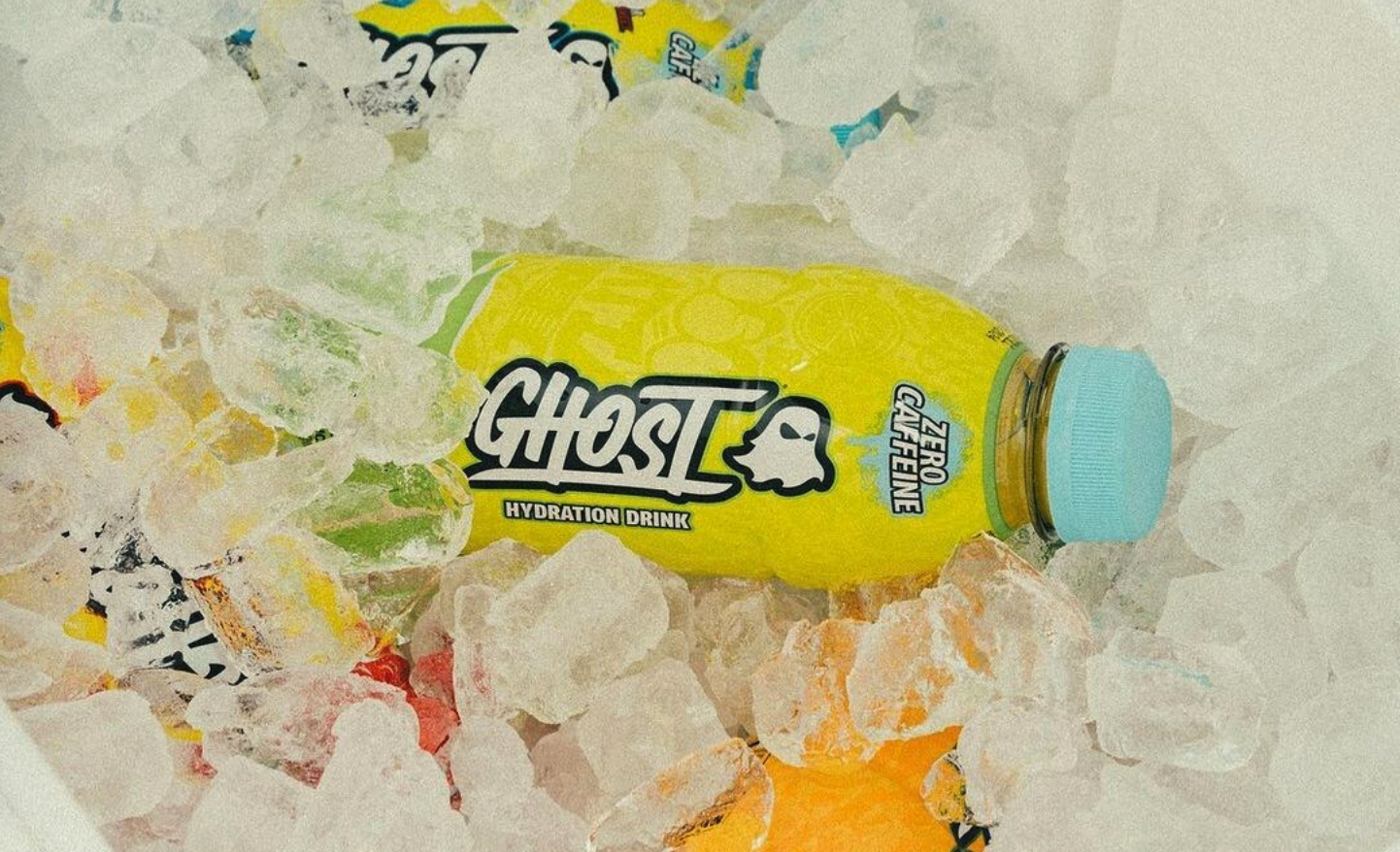
As you might have already noticed, energy drinks have no chill in 2024. We’re only a month or so into the new year, but the buzz of activity around energy drinks — or the amorphous, all-encompassing “functional beverage” space into which it has evolved — has heightened to a deafening roar. Amidst all the launches and shut downs, investments and endorsements, let’s spare a few moments to get our bearings. It’s ironic that Monster has ended up owning Bang; not just for their shared history of legal strife, but because, its weird swap of flagging drink brands - my Full Throttle for your Blue Sky - executed during its Coke investment notwithstanding, the former has historically not been an active shopper for portfolio brands. Monsters, and Red Bull’s, rising competitors may be positioned to take a different approach, though. Case-in-point: C4 maker Nutrabolt taking a 20% stake in health supplement maker Bloom in January underscores the company’s confidence to play in adjacent health and wellness categories, and not just do more of the same. It’s a move that sets up the company on its way to becoming the health and wellness version of The Kraft Heinz Company,” industry consultant Joshua Schall told us when the deal closed. Monster, for its part, has focused its investments in beverage alcohol via Monster Brewing (formerly CANarchy) and its intention, announced during its annual investor meeting last month, to move around 20% of production in-house by 2027. But the company has the financial muscle to make a gravity-shifting deal – if it wants to. Recent events elsewhere in energy might be interpreted as an indirect repudiation of the “total beverage” ambitions of certain companies, or an argument for the value of experience specific to the space. Pepsi’s purchase of Rockstar may have been of strategic value, but the brand itself has meandered through different positioning without much stickiness, with last month’s Focus being the latest. Vita Coco dumpster dove for natural energy drink Runa as a potential piece of its transition into a better-for-you beverage platform, but after years of trying that dream ended earlier this month. Meanwhile, despite backing from NASCAR star Kyle Busch and raising $13 million from established CPG investors in 2021, Rowdy Energy folded at the end of January. And while bagging a sum like $13 million certainly ain’t bad, the price of staying in the game keeps getting higher. That has to be a concern at Molson Coors-backed ZOA (dollar sales -37% Y/o/Y, per Circana data through Jan. 19), as it watches Logan Paul and Prime emerge as the juggernaut many expected that brand to be. Yet amidst all the shakeup, the pipeline of so-called “alternative channels” — ecomm, gyms, fitness and nutrition stores — into the mainstream remains largely intact, thriving even. And that’s where there’s still hope for innovative and imaginative brands to make an impact. As brands like Celsius, C4, GHOST and Prime graduate into mass retail, they’ve started changing to meet new consumer expectations — think GHOST’s move this month into caffeine-free hydration drinks, or C4’s embrace of licensed flavors from Skittles and Popsicles. That shift leaves more white space behind for others to fill, along with an example of how it can be done. And those others are indeed coming, whether it's Deion ‘Coach Prime’ Sanders and Redcon1, RYSE Fuel or Gorilla Mind, which could be the next big platform brand to emerge from the nutrition channel thanks to deep relationships with GNC and Vitamin Shoppe. As brands migrate to more established distribution, the independents are always happy for the case pricing that a hot new brand can bring. What are you seeing in the energy shelf? Let me know at mcaballerobevnet.com |