| | | | | In this issue of Daily Briefing | - 🌄 Indigenous Group Backs RIVR
- 💰 $25M For Botanic Tonics
- ⭐ Reviews! We Got ‘Em
- 💰 Pinhook Adds Investment
- 💧 Flow's Co-packing Offset Brand Revenue Drop
- 🥚 Eggs-istential Crisis At The Grocery Store
|
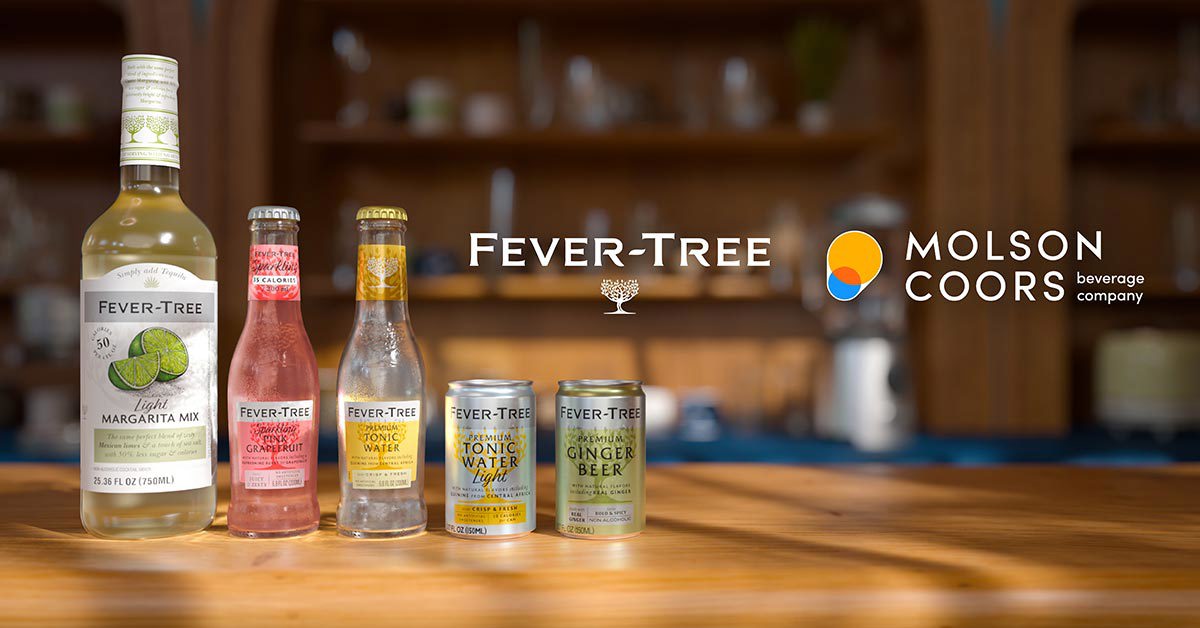
| 📰 Today's Top Story | | | Molson Coors Beverage Company is getting in on the mixer set with a new strategic partnership with Fever-Tree, taking an 8.5% minority stake in the business and granting the alcohol giant exclusive U.S. commercialization rights to the premium brand, beginning February 1. The deal makes Molson Coors the second largest shareholder in UK-based Fever-Tree and it will be responsible for co-manufactured production, marketing, sales and distribution in the U.S., according to the announcement this morning. Molson Coors CEO Gavin Hattersley said that the deal is a “a meaningful step” in the company’s journey toward “a total-beverage company with a winning portfolio of drinks for a wide variety of consumer occasions.” The U.S is also both Molson’s and Fever-Tree’s largest global markets by revenue, he said, providing “ample opportunity” to continue building on the mixer brand’s success thus far. “Our customers have been asking for a brand just like Fever-Tree from us, and by leveraging the scale, strong relationships and expertise of our team at Molson Coors, I’m confident in the road ahead for Fever-Tree as part of Molson Coors’ growing set of non-alc offerings in the U.S,” Hattersley said. BevNET Insiders can access the full story for more deal details and an analysis of category data. |
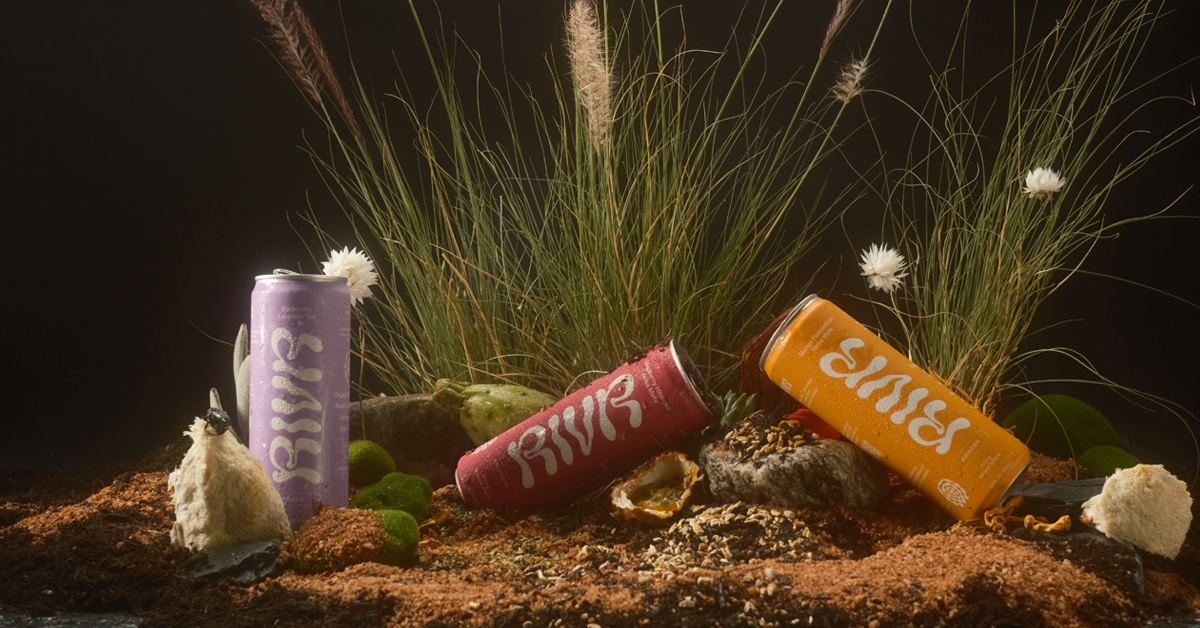
| | 👉🏼 What You Need to Know 👈🏼 | | | Drawing on “ancestral wisdom” and functional ingredients, the Soboba Band of Luiseño Indians has become one of the first Native American groups to enter the beverage category, with RIVR: a six-SKU line of drinks available in a hemp-derived THC format as well as a non-psychoactive functional mushrooms and yerba mate formulation. 🤔 The Soboba Economic Development Corporation (made up of voting-eligible, tribal members) manages the brand and is also accountable to the Tribal Council. ♠️ Unlike gaming or tourism, RIVR brings a different revenue-generating vehicle that tells the story of the Soboba people to a broader consumer base. 💭 “RIVR is unique in the sense that it is a tribal export. It is our first product that generates revenue beyond our reservation base showing a tribal capability to create, market and sell a product,” said SEDC director Sasha Pachito. Read how RIVR plans to grow via its unique profile. |
| | | The makers of Feel Free herbal supplement shots have secured a $25 million internal investment from existing investors as it moves to vertically integrate its kava supply chain. 🌴 Botanic Tonics will use some of its new capital to buy plots of land on the South Pacific island nation of Vanuatu so the company can cultivate kava, which it emphasizes as its hero ingredient. 🤓 The brand, which settled a class-action suit last year, has also been investing in education and creating a more transparent system of safety protocols to better communicate with consumers about the implied benefits of its products. Read the full investment story on BevNET. |
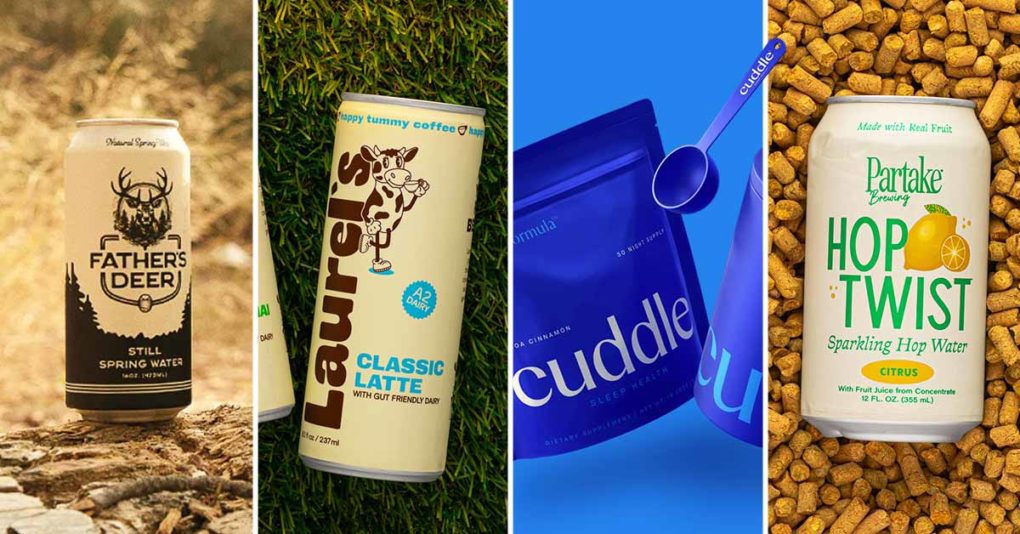
| | | | Cuddle, Laurel’s, Father’s Deer, Partake Hop Twist This week at BevNET we rounded up new beverages from Cuddle Sleep Health, A2 dairy latte maker Laurel’s Coffee, canned spring water startup Father’s Deer, and the latest flavor in Partake Brewing’s Hop Twist line, Citrus. Then, we put pen to paper and chronicled our thoughts with each swig, highlighting aspects of the brand, liquid and product positioning that stood out and things the company could consider for next time. Check out this week’s review roundup on BevNET. |
| | | Pinhook Bourbon has secured $10.5 million from undisclosed private equity and family office investors to expand its sales and marketing teams. The whiskey maker also named industry executive John Scarborough as its new CEO, effective Dec. 1. 👀 Scarborough succeeds Alice Peterson, who has shifted into an executive chair role at parent company CSJ Beverage to support the “long-term strategic direction” of Pinhook and Rye & Sons. Throughout 2024, Scarborough served as Peterson’s senior advisor. 📈 Pinhook will focus on growing its account base this year across its 25 existing markets rather than broadening its distribution footprint. 🗣️ What he said: “Distributor partnerships are extremely important for any brand in this industry, but I believe at this stage, when you’re trying to introduce new accounts and make connections with consumers, you have to have your own team on the street working hand in hand with the distributor. It’s not an either or.” - John Scarborough BevNET Insiders can learn how Pinhook will deploy the new funds and more about Scarborough’s appointment. |
| | | Flow Water’s brand revenue tumbled in Q4 2024, though the company remained upbeat that its long-term strategy remains on track while targeting adjusted EBITDA of between $6 million to $11 million for FY 2025. 🗣️ Founder and CEO Nicholas Reichenbach attributed Flow brand’s 11% revenue drop to the decision to exit commercial partnerships with retail and food service partners, in comments to shareholders. - He promised a “freshly innovated” brand that has already secured placements for its forthcoming release, sparkling mineral spring water in aluminum cans.
📉 But those dips were expected as part of a long-term strategic pivot (initiated in Q1 2023) toward financial stability. Now it said those decisions are starting to bear fruit: - In Q4, both gross margin (12%) and adjusted EBITDA ($7.9 million in Q4, though still reported as a loss of $2.6 million) improved for the third consecutive quarter.
- Consolidated net revenue jumped 22% to $11.8 million from the same period in 2023, boosted by a 115% increase in co-packing revenue in the quarter.
- Flow is pegging FY 2025 net revenue somewhere between $72 million and $82 million, but that assumes brand growth contribution, the addition of two production lines, as well as other factors.
|
| | 🎙️ Now Streaming: CPG Week | | | Inflation has been on everyone’s mind in the last few years and elevated egg prices serve as the quintessential example of why price tags will likely remain higher than desired in the near future. 💬 The CPG Week podcast team discusses why external factors like bird flu are not the only reason why eggs are so expensive while explaining what we can anticipate in grocery inflation for 2025. 🎧 Tune in to hear about Nosh managing editor Monica Watrous’ “bougie” eggs, why senior reporter Brad Avery might be stocking up on coffee and how senior reporter Lukas Southard came across an interest in Warhead candy-flavored pickles. Click here to listen to this week’s episode. Like what you are listening to? Please don’t hesitate to rate our show and leave a review on your podcast platform of choice. |
|
| Your BevNET CPG Media Subscriptions You're currently subscribed to newsletters from BevNET CPG Media. To change which newsletters you receive, update your preferences - don't miss out on topics you care about. | |
| |
|
| | | |
|