| | | | | | In today’s issue | Whole Foods Backs Mad Ag Project • Manufacturing Muscle Pumps Up • Kellanova Sees Softness in Snacking, Higher Costs in Q2 • Update: Flashfood Launching Pilot At Kroger • The Latest From The CPG Week Podcast |
|  | | | Sponsored message from ColdTrack | ColdTrack is a fulfillment and logistics platform built for D2C brands shipping perishables. We guarantee 100% pack accuracy and cost savings. If we can’t cut your shipping costs, we’ll send you a $1500 Visa eGift Card. NOSH Exclusive: $0 onboarding before Aug 31, 2025.
Learn More
|
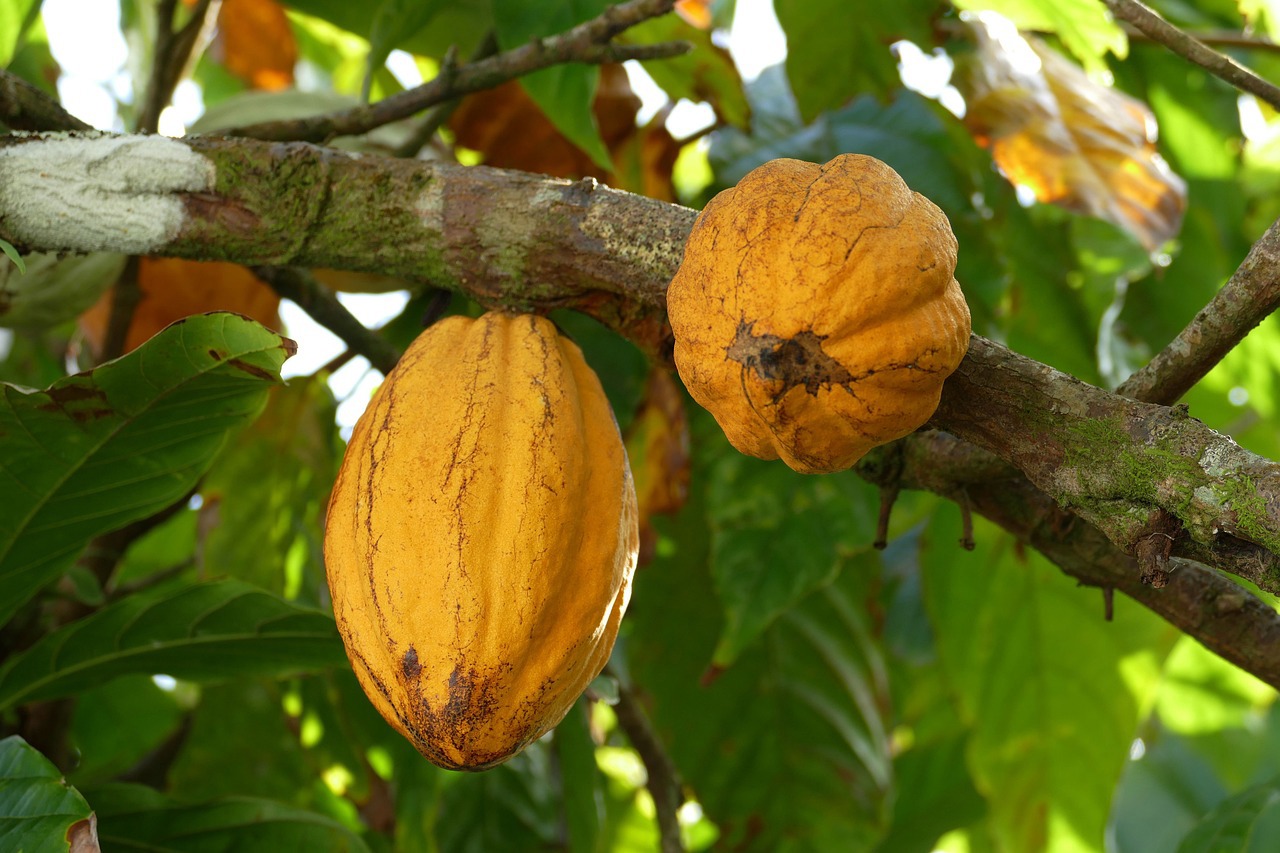
| 📰 Today's Top Story | | | | It’s been a roller coaster for cocoa prices over the past couple of years. Whether you choose to call this not-so-sweet reality “volatile” or “unprecedented,” one thing is clear: companies must continue hedging against higher input costs even as there’s been optimism at times about crop recovery. Case in Point: The Hershey Company posted net income and earnings per share (EPS) declines in Q2, driven by inflated cocoa prices (though net sales were up). - That’s even after it took “pivotal steps” toward mitigating cocoa price inflation through enhanced productivity, technology-enabled efficiency and strategic pricing, said outgoing CEO Michele Buck.
- The Reese’s and KitKat maker has invested in supporting better farming practices at West African supplier farms and shifted portions of its supply chain outside of the region.
- The company is also keeping an eye on cocoa alternatives.
“Given the unique circumstances surrounding cocoa, which cannot be grown in the United States, we remain hopeful that tariffs on our longest exposure will improve as trade negotiations continue, though this will likely take time,” said Steve Voskuil, SVP and CFO of Hershey, on the call. Mondelēz International has also executed selective price hikes both domestically and internationally to offset a higher cost base tied to cocoa price inflation. - The Oreo and Cadbury maker is gearing up to roll out a fresh wave of price hikes in North America expected to “boost revenue and top line,” said CEO Dirk Van de Put.
- Though Mondelēz is vigilant on chocolate elasticity for the remainder of 2025 in Europe, it’s not forecasting an immediate change in North America.
It’s not just chocolate that’s at risk. Mars, Inc. said today it is working to safeguard its peanut stockpiles against mounting pressures “that threaten the reality of the global supply.” - The company is working to cultivate drought- and disease-resistant peanut varieties and using wild peanut species in Brazil to grow more resilient peanuts.
- The multi-million dollar commitment builds on more than a decade of Mars-funded peanut research, including a $10 million investment in “state-of-the-art” scientific efforts.
As climate change continues to impact a wide range of vulnerable crops, ranging from olive oil to coffee to bananas and oranges, companies of all sizes are seeking supply chain security. Insiders can get all of the insights from Hershey and Mondelez on Nosh. |
| | ✨ What You Need to Know ✨ | | | Natural grocery is supporting brands via new plant routes. This week, Whole Foods Market and nonprofit Mad Agriculture unveiled a new biodiversity highway initiative that aims to reconstruct native ecosystems across American farmland, beginning in Wisconsin with plans to span across “several geographic regions.” - The idea first began to form after a $100,000 donation in 2024 from Whole Foods to support wilding efforts via the installation of 112 acres of prairie strips on four farms across three states.
- The majority of those farms were supplying ingredients to brands sold on the natural grocer’s shelves and that project planted the seeds for a much bigger, more impactful vision.
💬 “Instead of developing these isolated pockets of biodiversity, what if we connected them across this country, much like the interstate highway system that was developed back in the late 1950s?” said Elizabeth Candelario, Mad Ag's chief strategy officer. We sat down with Candelario to learn how CPGs are playing a role in the project. Check out the full interview here. |
| | | Mars isn’t the only Virginia business moving more manufacturing in house.Traditional Medicinals, the makers of Throat Coat and Smooth Move teas, broke ground on a new $47 million, 125,000 sq. ft. manufacturing facility in Franklin County, Va. - The new facility will be an East Coast hub of operations and complement the wellness brand’s Sebastapol, Calif., facility.
- Production is expected to begin at the plant in summer 2026 and reach full capacity by the following winter.
- Not only will a foothold in the east add manufacturing muscle to its distribution network but will also benefit its ethical sourcing relationships with herb suppliers across over 35 countries.
In other manufacturing news: - Meat stick brand Chomps officially opened a co-invested 300,000 sq. ft. manufacturing facility in Missouri, N.M. The plant will be operated by Western Smokehouse Partners and exclusively dedicated to Chomps production.
- Ahimsa Companies, a holding company for plant-based food brands, is investing $12 million into an Ohio manufacturing facility it acquired from Gathered Foods last year.
- Grain-milling and ingredient provider Ardent Mills will acquire North Dakota specialty grain cleaning facility Stone Mill.
Go Deeper: U.S. Food Manufacturing Is Growing, But Can It Continue? |
| | | Ahead of its proposed combination with Mars, Inc., Kellanova posted Q2 results that reflected prolonged softness in snacking and frozen categories, as well as higher operating costs. - Net sales grew a modest 0.3% to $3.2 billion over the prior-year period.
- Operating profit declined 11.2% to $438 million.
- Diluted EPS decreased by 15% year-on-year to $0.85.
The company declined to provide forward-looking guidance due to the pending merger, which is expected to close near the end of the year. Related Reading: Big Food Is Reshuffling. What Does it Mean For Emerging Brands? |
| | | Flashfood – an app that helps grocers sell perishable food nearing its expiration date – is launching a pilot with Kroger in 16 Richmond, Va.-area stores. - The partnership will enable customers at those locations to purchase fresh meat, dairy, produce and baked goods at big discounts by using the app.
- The app is available in more than 2,000 stores across North America, preventing more than 140 million lbs of food waste and saving shoppers $355 million to-date, according to the company.
Catch-Up: Flashfood App Aims To Close Food Waste Gap For Retailers, Consumers |
| | 🎙️ Now Streaming: CPG Week | | | |
| Have feedback or a tip to share? Reach out to Adrianne (Assistant Managing Editor, Newsletters) at adeluca@bevnet.com. |
|
That's all for today's Daily Briefing. We'll be back in your inbox tomorrow. |
|
| Your BevNET CPG Media Subscriptions You're currently subscribed to newsletters from BevNET CPG Media. To change which newsletters you receive, update your preferences - don't miss out on topics you care about. | |
| |
|
| | | |
|