| | | | | | In today’s issue | 🐦 Oddbird Adds Ordinary Investment • ☕ Artigiano Acquires Salt Spring Coffee • 🕳️ Lipton’s Groundhog Day Behemoth • 🔀 Monday Moves: Milking It • 🗞️ This Week’s Reads: Tariff Time |
|  | | | Sponsored message from Techniblend | TechniBlend's industry-recognized beverage blending and batching systems are designed to handle a wide range of water and syrup ratios, helping beverage makers create their finished beverages by measuring the Brix or Blend Ratio in real time. This allows for producing product at scale while keeping costs low.
https://go.techniblend.com/TB-BEVNET-LEADERBOARD
|
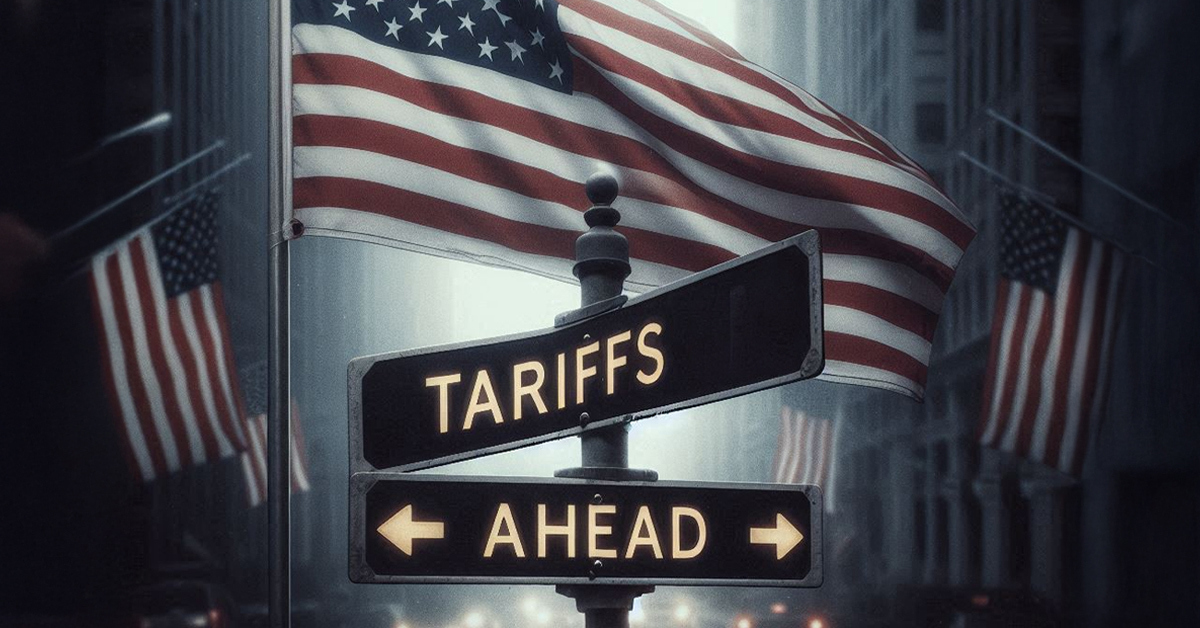
| 📰 Today's Top Story | | | U.S. tariffs on its immediate neighbors don’t go into effect until Tuesday, but the battle appears to be already underway in its opening theatre: the liquor shelf. Without recapping the entire saga of how we got here, barring a last minute reprieve, the U.S. is set this week to enact a 25% tariff on all Canadian and Mexican imports (as well as a separate 10% tariff on China), making good on a top campaign promise of President Donald Trump. - That move has (predictably) sparked retaliatory actions from governments on the Northern and Southern border that are placing, for the moment, spirits makers at the center of a geo-economic chess game that for which no one involved can quite seem to completely grasp the ultimate purpose.
As of just before publishing on Monday morning, there appears to be at least some thaw, with U.S. and Mexican tariffs temporarily placed on hold following a phone call between Mexican President Claudia Sheinbaum and Trump. Its pride wounded, Canada is responding by targeting American booze, with so-called “red” states in the crosshairs. - In Ontario, the country’s most populated province, the Liquor Control Board has ordered all U.S.-produced alcohol products – roughly 3,600 items valued at almost $1 billion in annual sales – removed from stores by Tuesday.
- Many other provinces have also joined the effort: Nova Scotia, British Columbia, Newfoundland, Labrador, Manitoba, and Prince Edward Island and Quebec are pulling U.S. brands off the shelf, with B.C. premier pointedly referencing a halt on buying “American liquor from red states” in his comments.
- The Distilled Spirits Council of the U.S. (DISCUS) pushed back on those efforts, calling them “extremely disappointing and counterproductive.”
- If the tariffs continue, expect a further knock-on effect from disruption in other industries: restaurants and bars are already next up to drop American alcohol, and one province leader indicated his government will “limit” business with U.S. companies going forward as anti-American sentiment takes hold.
As with every action, though, there’s a reaction: Trump’s decrees have unified businesses and industry players on both sides of the border against the tariffs. In a joint statement, DISCUS, the Chamber of the Tequila Industry, and Spirits Canada on Tariffs said the proposed taxes will weaken an already slowing North American spirits market and “significantly harm all three countries and lead to a cycle of retaliatory tariffs that negatively impacts our shared industry.” Meanwhile, in Mexico, tequila and mezcal producers, already grappling with inventory issues in the wake of lean growth, are bracing for impact as well – though, as of Monday morning, they appear to have won at least a one-month reprieve. But Americans’ thirst for Mexican agave-based spirits is likely to be tested the most: - Tequila and mezcal are both drivers of the U.S. spirits market, representing 13% of the total U.S. beverage alcohol marketplace by volume and 22% by revenue; in the on-premise, it’s even more leveraged at 20% of the market by volume and 27% by revenue.
- An economic analysis indicated a 25% tariff on Mexican wine and spirits products (including agave-based spirits), could cost 14,000 American jobs and $2.5 billion in lost U.S. economic output.
- That puts your typical bar in a tough position: either overhaul the beverage program to limit its most popular spirits, or try your best to sell some $22 mezcal cocktails.
Go Deeper: What Does a Trade War Mean for Craft Distillers? |
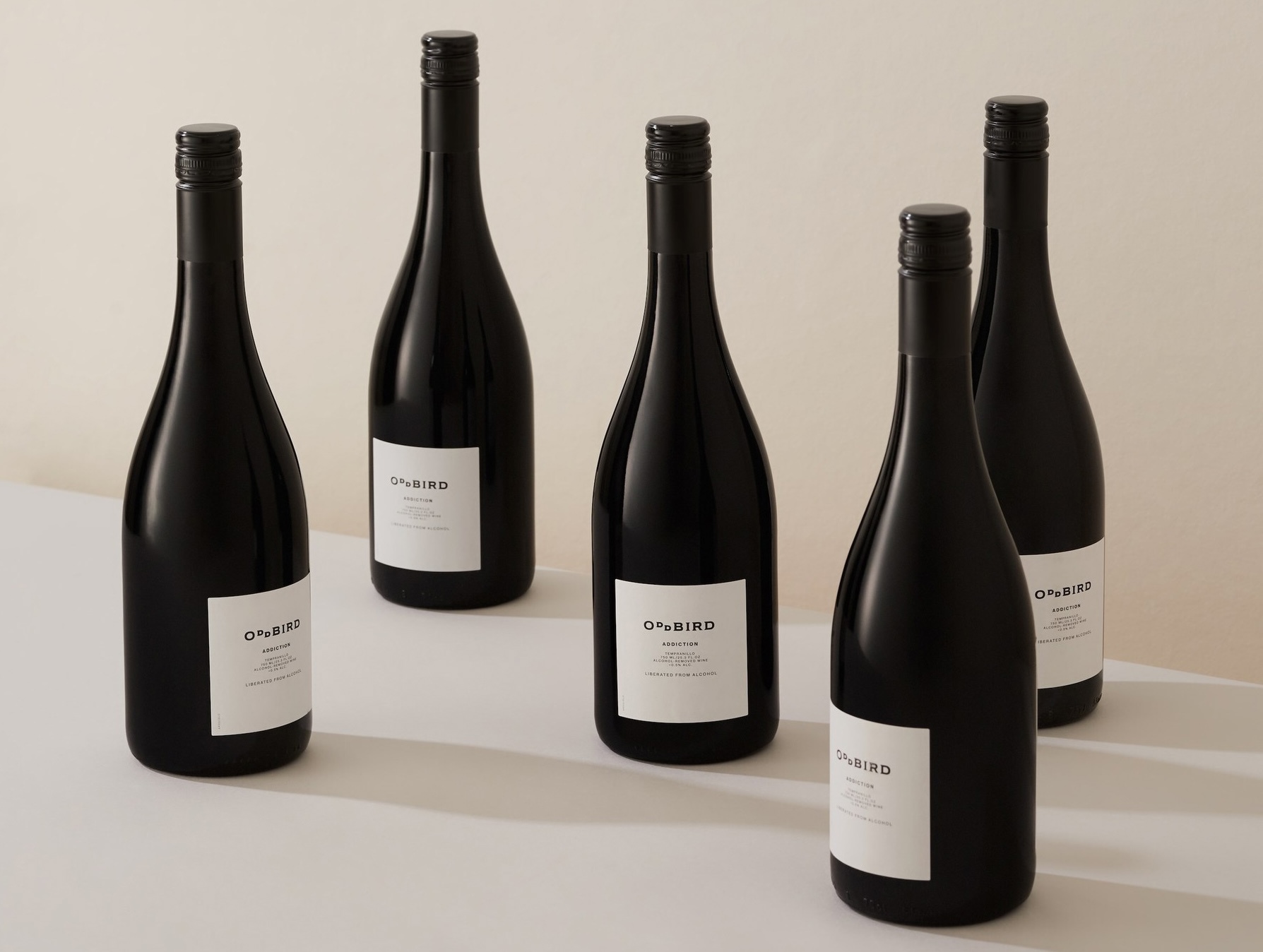
| | 👉🏼 What You Need to Know 👈🏼 | | | Non-alcoholic wine maker Oddbird has rounded up a notable group of investors, adding Foxtrot co-founder and Red Swan investor Mike LaVitola, former Walgreens CEO Greg Wasson, Red Swan founder Andy Dunn and former Chipotle chainman Mats Lederhausen. - The brand also added ButcherBox founder and CEO Mike Salguero, Home Chef CEO and founder Patrick Vihtelic and Vitamin Well founder Jan Enhager to the mix.
🍷 Oddbird makes 12-month aged “low intervention” dealcoholized wines in Red, White, Rosé, and Sparkling varieties. 📈 Hailing from Scandinavia, Oddbird has achieved 50% market share in its home country over the past decade and notched significant growth in the U.S. in 2024, where it is now sold at Erewhon, Trader Joes and Total Wine. |
| | | Vancouver-based coffee brand Artigiano is now the second-largest organic roaster in Canada after acquiring Salt Spring Coffee, the country’s first Regenerative Organic Certified (ROC) coffee roaster, last week. Terms of the deal were not disclosed. 👩🏽🌾 Artigiano is Canada’s only ROC coffee roaster, operating 25 cafes with another five planned to open during the first half of 2025. 💭 "This partnership broadens our product offerings while strengthening our commitment to environmental stewardship, including a continued focus on organic and non-GMO ingredients in everything we serve," said Artigiano owner and president Dean Shillington. |
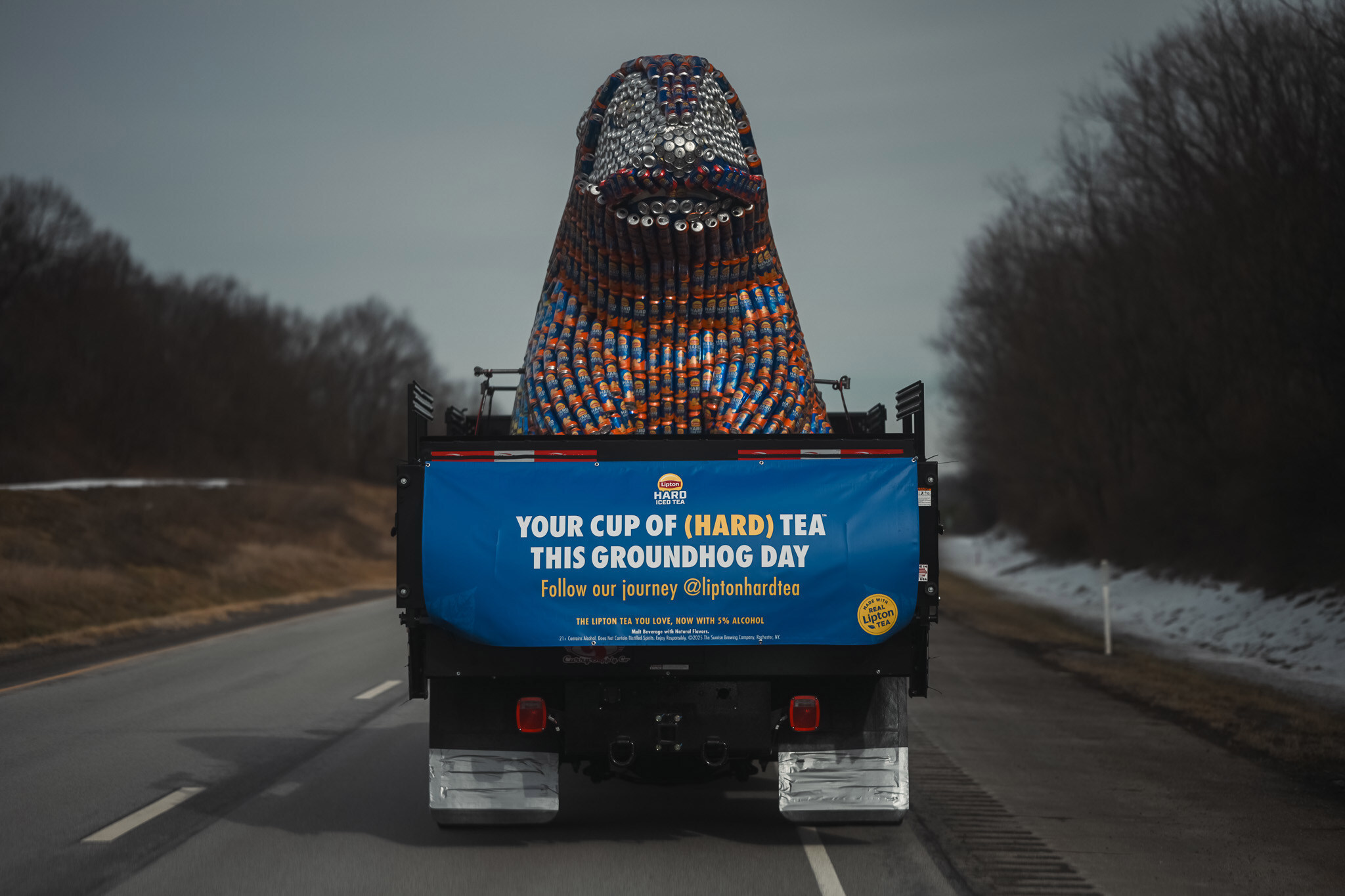
| | | Lipton sought to cast a big shadow this weekend, unveiling a 9 foot tall, 250 pound groundhog statue in Pennsylvania made from Lipton Hard Iced Tea cans in honor of Groundhog Day on February 2. - ICYMI: They named the statue “Can Daddy.” And we have no notes.
- Oh, you can also win it! They’re giving Can Daddy away on Instagram to a random person who comments “Groundhog” on this post.
📸 Showcased at several locations around the commonwealth, the statue was used to promote the launch of Lipton’s Hard Citrus Green Tea flavor (ABV of 5%) in 12-packs. | |
| | 🔀 Monday Moves: Milking It | Here’s a sip of the products moving around the industry to start off your week. ☕ Laird Superfood’s 25.4 oz., plant-based liquid creamers are now sold at Kroger banners, including King Soopers, Ralph’s and City Market. 🥛 Pistachio milk startup Táche is rolling out to more than 1,300 Albertsons stores across the country where it will be merchandised in the dairy aisle, founder and CEO Roxana Saidi announced on LinkedIn. 🏪 In other plant-based milk moves, MALK is now nationwide in Kroger with its Unsweetened, Vanilla Almond and Original Oat SKUs. 🏋️ Here’s one for the dairy drinkers. Protein milk shake maker Nurri is launching its Vanilla flavor into Costco stores in Washington, Oregon, Idaho, Montana, Utah and Alaska in 12-packs. The Bay Area, Midwest and other regions will be “following close behind,” the company said. |
| | 🗞️ This Week’s Reads: Tariff Time | Trump's tariff-induced trade war is sure to dominate headlines this week. Get up to date on the state of play with our editorial team’s reading list: 😵💫 The Wall Street Journal’s editorial board shares why they believe Trump’s move to slap Mexico and Canada with a 25% border tax, and posited a 10% tariff on China, has kicked off The Dumbest Trade War In History. 🌐 Global markets tumbled this morning with the threat of Trump’s trade war already taking effect. Read up on Reuters to get a temp check on the state of the stock markets, the dollar’s surge and the price impact added tariffs are expected to initiate. 😡 An opinion piece in The Atlantic explains how the real cost of Trump’s tariffs means alienating critical allies and partners and paving the way for “future difficulties and … future disasters.” |
|
| Your BevNET CPG Media Subscriptions You're currently subscribed to newsletters from BevNET CPG Media. To change which newsletters you receive, update your preferences - don't miss out on topics you care about. | |
| |
|
| | | |
|