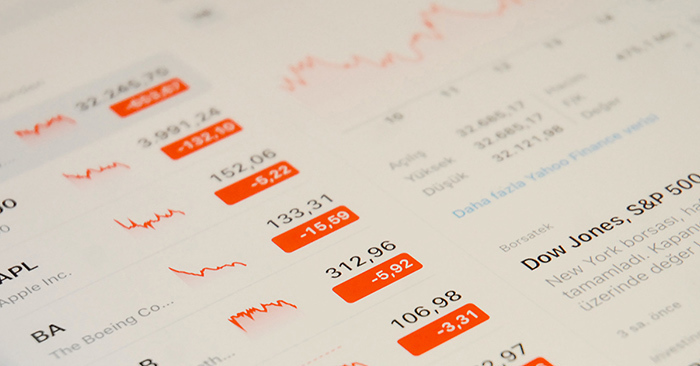
Inflation, tariffs, recession…economic headlines are plastering front pages these days. But what does all of this mean for packaged food? Let’s sift through the latest data to find out. Overall, inflation is down 0.1%, per last week’s Consumer Price Index (CPI) report; that’s a slightly positive sign after it rose 0.2% in February. Sounds good, right? - Unfortunately, food was an outlier to the trend – with the category’s inflation rate rising 0.4%, up 3% in the last 12 months.
- The increase was partially driven by elevated egg costs, with the unhatched chicken index clucking up 60.4% in the last 12 months.
Although food inflation has moderated since its high point in early 2022, it is still rising faster than most shoppers would prefer. The University of Michigan’s latest consumer sentiment survey did not add any confidence to last week’s CPI numbers, declining for its fourth straight month and notching its lowest reading since 1981. According to Numerator, 72% of consumers are worried about prices going up on everyday goods (vs. 64% in February). Sixty percent of shoppers expressed concern that tariffs will increase grocery prices. Tracked sales data adds another economic storm to the forecast with a clear pullback in spending (-0.8%) shown across the past four weeks in U.S. food, according to Jefferies’ analysis of Nielsen data. Dollar sales declined nearly across all tracked companies with the exception of egg producer Vital Farms (25.5%) as well as protein pushers Simply Good Foods (1.9%) and BellRing Brands (36%)... Eek. At least everyone is getting their protein shakes. What does this all mean? Mainly, that perception matters when it comes to buying behavior. Uncertainty breeds fear, which impacts how businesses make decisions and how consumers spend their money. Shoppers aren’t opening their wallets when the trade and economy appear unsteady, and when that behavior bleeds into companies’ P&L statements, investment and innovation can dry up. Snack maker Mondelēz said in an April investor presentation that it was adjusting its strategy from “cost-reduction and percentage margins” to “volume-driven profitable growth and funding reinvestment.” Not to be all doom-and-gloom, but the data doesn’t bode well for the short term and there doesn’t appear to be an end in sight. Put more succinctly by Samuel L. Jackson’s “Jurassic Park” character Ray Arnold: “Hold onto your butts.” Go Deeper: Mondelēz Anticipates Weak 2025 Earnings |