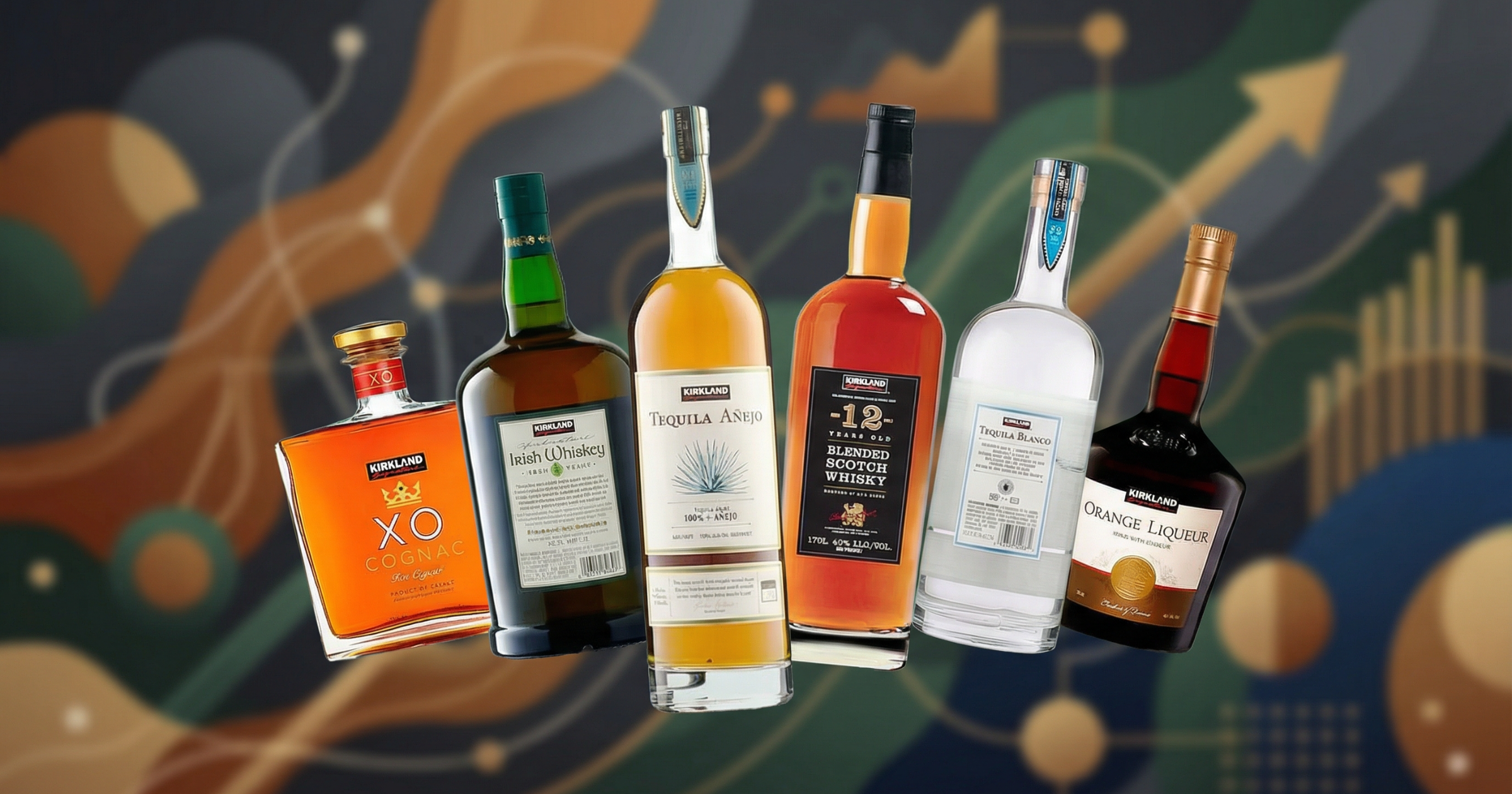
Private label products saw a banner year in 2025, with spirits ranking as one of the top growing categories. As some distillers aim to take advantage of the opportunity, will other brands feel the squeeze? U.S. sales of store brands increased last year, with liquor (+4.4%) ranking as the second-best performing department for brand unit sales gains in 2025. Turning towards private labels may be an increasingly appealing option as consumers are squeezed. Gen Z’s share of private label spending is projected to surpass that of Boomers by mid-2026, according to Numerator’s latest generational analysis. Costco and Total Wine & More are among the few retailers that have well-oiled private label machines, but their influence is outsized, especially as the retailer tier continues to consolidate. Does that mean we’ll see more private label programs? Industry investors seem to think so: “It is only a matter of time before other chains follow suit, filling a greater share of shelf-space with white label brands,” according to a report from No Sleep Beverage. Statesville Contract Distilling in North Carolina has certainly received more interest from retailers lately, with CEO Pete Brager landing some national and regional deals. The cannibalization question carries a competitive sting for established brands, and it even hits home for Brager, who has his own branded lines. But he argues that his younger, value-priced white label whiskey versus a seven-year aged product with a more developed brand story are two different products for two buyers and two different occasions – or maybe it's the same buyer, but on two different nights. Other suppliers say private label products can’t win on price alone. A store-brand bottle competing against a national brand at the same shelf price will lose to consumer habit – unless the store gives shoppers a reason to switch. Continue reading the full story with Insider access |